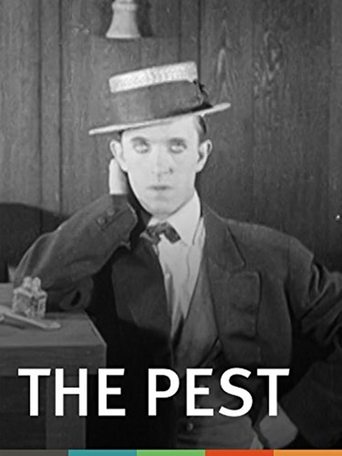
Films
1 film
About Joy Winthrop
The 1922 film The Pest is the only title linked here for Joy Winthrop. Her career, though brief, is representative of the countless performers who populated the early Hollywood landscape. Winthrop's only documented screen appearance was in the 1922 comedy short 'The Pest,' a film typical of the two-reel comedies that were popular in the early 1920s. Like many actors of her generation, she was likely discovered and employed during the rapid expansion of the film industry in Southern California. Her active period of 1922 suggests she may have been part of the studio system's talent pool, possibly under contract but not given further opportunities. The lack of additional film credits indicates she either left the industry voluntarily, was unable to secure more roles, or her work in other films remains undocumented. Her story illustrates the transient nature of fame for many early film actors who appeared in only a handful of productions before fading from public memory.
The Craft
On Screen
As an actress from the silent era, Joy Winthrop would have employed the exaggerated physical gestures and facial expressions characteristic of the period, necessary to convey emotion and story without dialogue. Her performance in a comedy short suggests she likely specialized in slapstick or light-hearted character work, common in two-reel comedies of the time.
Milestones
- Appeared in the comedy short 'The Pest' (1922)
Best Known For
Must-See Films
Why They Matter
Impact on Culture
Joy Winthrop's cultural impact is minimal in the traditional sense, as her career consisted of a single film role. However, she represents an important demographic in film history: the anonymous supporting players who formed the backbone of early Hollywood productions. These actors, though often forgotten, were essential to creating the rich worlds of silent films and contributed to the development of cinematic language during its formative years.
Lasting Legacy
Joy Winthrop's legacy exists primarily as a footnote in silent film history, representing the thousands of actors whose names appeared briefly in credits before disappearing from the industry. Her single credited role in 'The Pest' shows the transient nature of early Hollywood stardom and the vast number of performers who passed through the studio system without achieving lasting fame. Film historians and archivists preserve records of actors like Winthrop to maintain a complete picture of cinema's early years.
Who They Inspired
Due to her extremely limited filmography and lack of documentation, there is no evidence of Joy Winthrop influencing other performers or directors. Her brief appearance in a single comedy short did not provide sufficient opportunity for her to establish a distinctive style or mentor others in the industry.
Off Screen
Due to the extremely limited documentation of Joy Winthrop's career and the absence of further film roles, virtually no information is available about her personal life, family background, or activities outside of her brief film appearance. This lack of personal information is unfortunately common for many minor players from the silent era whose careers were too brief to generate significant public records or press coverage.
Did You Know?
- Joy Winthrop's entire known film career consists of just one film in 1922
- She appeared in 'The Pest,' a comedy short from the early silent era
- No biographical information about her exists in major film reference books
- Her name does not appear in studio records or trade publications beyond this single credit
- She represents the typical fate of many bit players from early Hollywood who left little trace
- The film 'The Pest' itself is considered obscure and is rarely screened today
- It is unknown whether 'Joy Winthrop' was her birth name or a stage name
Frequently Asked Questions
Who was Joy Winthrop?
Screen credits include only one known film, the 1922 comedy short 'The Pest.' She represents the many minor actors who populated early Hollywood productions but did not achieve lasting fame.
What films is Joy Winthrop best known for?
Titles linked here include The Pest (1922).
When was Joy Winthrop born and when did she die?
Unfortunately, Joy Winthrop's birth and death dates are unknown, as is common for many minor actors from the silent era who left minimal public records. Her entire documented career spans only the year 1922.
What awards did Joy Winthrop win?
Joy Winthrop did not receive any known awards or nominations for her work. The Academy Awards were not established until 1929, several years after her brief film appearance.
What was Joy Winthrop's acting style?
While specific details are unknown, as a silent era comedy actress, Winthrop likely employed the exaggerated physical acting style typical of the period, using broad gestures and facial expressions to convey humor and emotion in the absence of dialogue.