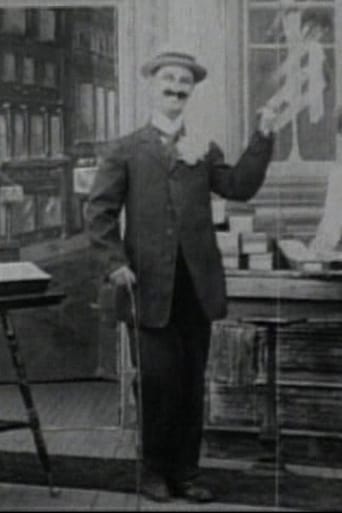
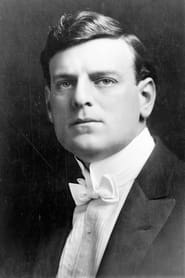
Gilbert M. Anderson
Actor & Director
Born: March 21, 1880 in Little Rock, Arkansas, United States Died: January 20, 1971 Active: 1903-1922 (as performer/director), 1958 (honorary recognition) Birth Name: Maxwell Henry Aronson
Films
16 films
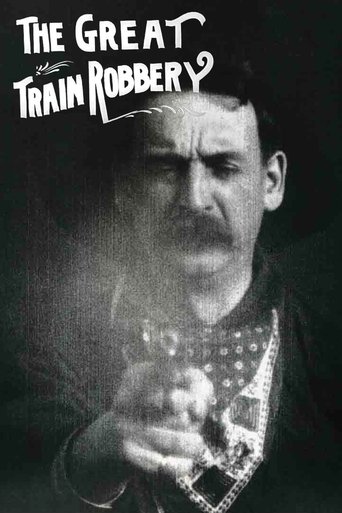
The Great Train Robbery
1903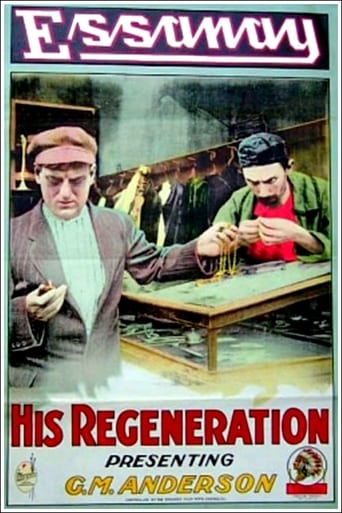
His Regeneration
1915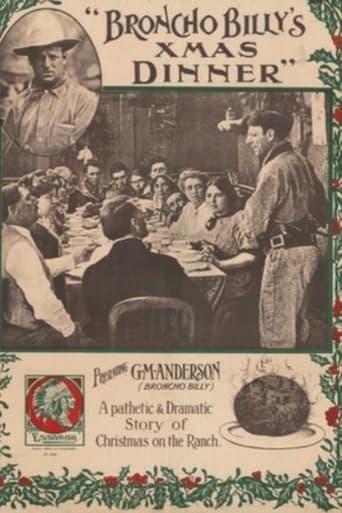
Broncho Billy's Christmas Dinner
1911
The Weak-End Party
1922
The Pest
1922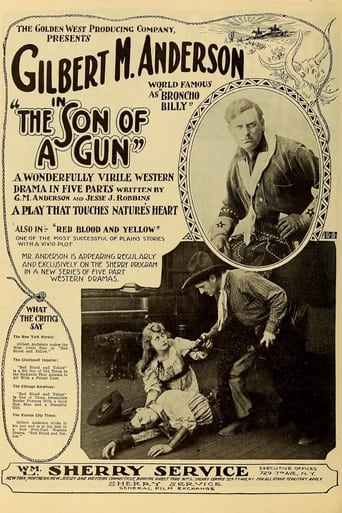
The Son-of-a-Gun
1919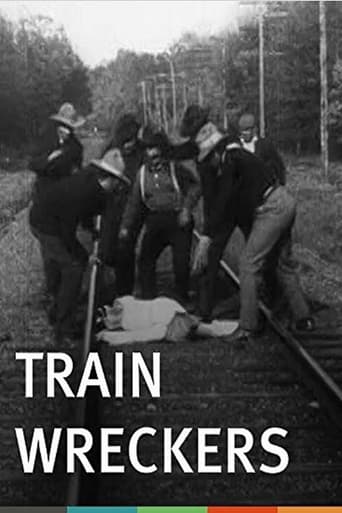
The Train Wreckers
1905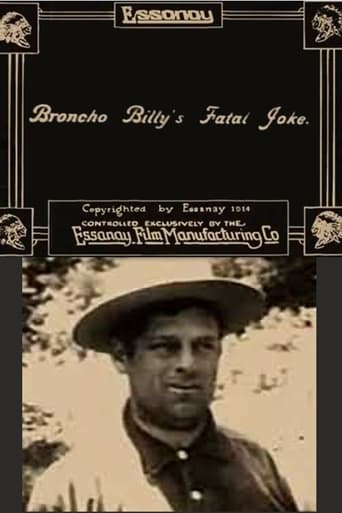
Broncho Billy's Fatal Joke
1914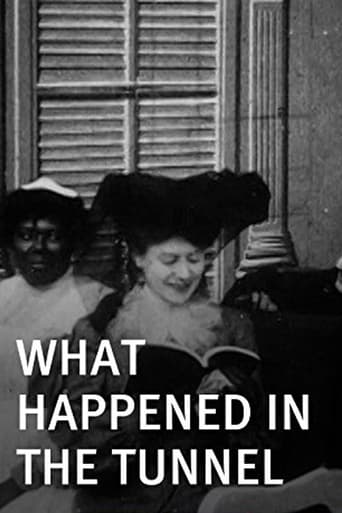
What Happened in the Tunnel
1903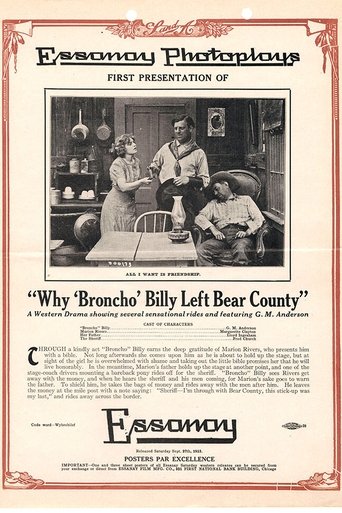
Why Broncho Billy Left Bear County
1913
The Messenger Boy's Mistake
1903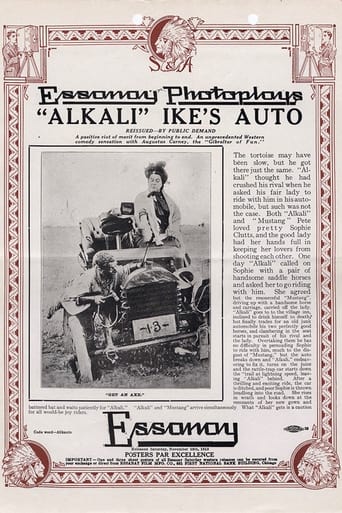
Alkali Ike's Auto
1911
His Wife's Secret
1915
Broncho Billy and the Greaser
1914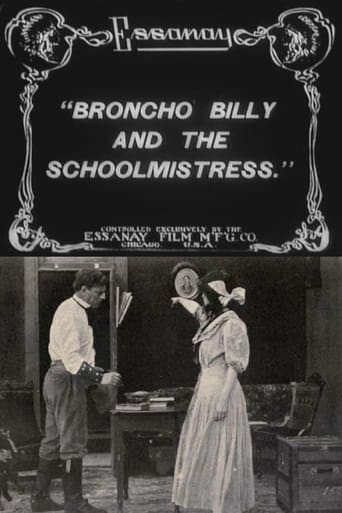
Broncho Billy and the Schoolmistress
1912About Gilbert M. Anderson
Gilbert M. Anderson, born Maxwell Henry Aronson, was a figure in American cinema who helped establish the Western genre and became one of the first true movie stars. After beginning his career as a photographer's model and stage performer, he transitioned to film in 1903 and quickly rose to prominence with his appearance in Edwin S. Porter's film 'The Great Train Robbery.' In 1907, he co-founded Essanay Studios in Chicago with George K. Spoor, where he created and starred in the immensely popular 'Broncho Billy' series, making nearly 400 short Western films between 1907 and 1916. Anderson was not only the star but also wrote, directed, and produced many of these films, establishing the template for the Western hero archetype. His success made him the highest-paid actor of his time and one of the first actors to become a household name. After leaving Essanay, he continued directing through the 1920s but struggled to adapt to changing audience tastes. He received an honorary Academy Award in 1958 for his contributions to American cinema, and his Broncho Billy character remains an figure in film history.
The Craft
On Screen
Anderson's acting style was characteristic of early silent film performance, emphasizing broad gestures and exaggerated expressions to convey emotion to audiences. As Broncho Billy, he developed a more nuanced approach, creating a morally ambiguous Western hero who could be both tough and tender. His performances often featured a distinctive blend of rugged masculinity and vulnerability, helping establish the complex Western protagonist that would define the genre. Unlike many of his contemporaries, Anderson brought a sense of naturalism to his roles, particularly in his later work where he incorporated more subtle facial expressions and body language.
Behind the Camera
As a director, Anderson was known for his efficiency and practical approach to filmmaking, often completing multiple films in a single week. He pioneered many techniques that would become standard in Western films, including the use of on-location shooting, dynamic chase sequences, and the integration of moral ambiguity in storytelling. His direction emphasized clear visual storytelling and action, understanding the limitations and possibilities of the silent medium. Anderson was particularly skilled at creating tension and excitement within the constraints of short-form storytelling, often using innovative camera angles and editing techniques to enhance the dramatic impact of his films.
Milestones
- Starred in 'The Great Train Robbery' (1903), one of cinema's most influential early films
- Co-founded Essanay Studios in 1907, one of the first major film production companies
- Created and portrayed the Broncho Billy character in nearly 400 films
- Became the first Western star and one of the first true movie stars in cinema history
- Directed over 300 films during his career
- Received an honorary Academy Award in 1958 for his contributions to motion pictures
Best Known For
Iconic Roles
Must-See Films
Accolades
Won
- Academy Honorary Award (1958) - For his contributions to the development of motion pictures as a pioneer
Special Recognition
- Hollywood Walk of Fame Star (Motion Pictures) at 1651 Vine Street
- Inducted into the Hall of Great Western Performers at the National Cowboy & Western Heritage Museum
- Broncho Billy's Western Corral - A section of Niles, California (where he filmed many movies) named in his honor
Working Relationships
Worked Often With
Studios
Why They Matter
Impact on Culture
Gilbert M. Anderson fundamentally shaped American cinema through his work in the Western genre and his role as one of the first movie stars. The Broncho Billy character he created established the template for the Western hero that would dominate American popular culture for decades, influencing countless actors and filmmakers. Anderson's success demonstrated the commercial viability of film as an entertainment medium and helped establish the star system that would become central to Hollywood. His work at Essanay Studios contributed to the development of the American film industry, training numerous actors and directors who would go on to significant careers. The popularity of his Western films helped create and perpetuate American myths about the frontier that continue to resonate in popular culture today.
Lasting Legacy
Anderson's legacy endures as a foundational figure in American cinema history. His honorary Academy Award in 1958 recognized his contributions, and his Broncho Billy films are now considered classics of early cinema. The techniques he developed for Western filmmaking influenced generations of directors, from John Ford to Clint Eastwood. His films are preserved in archives and studied by film scholars for their historical significance and artistic innovation. The town of Niles, California, where he filmed many of his Broncho Billy movies, continues to celebrate his legacy with annual events and a museum dedicated to his work. Anderson's story represents both the incredible opportunities and the precarious nature of early Hollywood, serving as a reminder of the pioneers who built the American film industry from the ground up.
Who They Inspired
Anderson's influence on cinema extends far beyond his own films. He established many conventions of the Western genre that would become standard, including the lone hero, the moral ambiguity of characters, and the visual language of Western action sequences. His success as both actor and director helped establish the model of the multi-talented filmmaker that would be emulated by figures like Charlie Chaplin and Orson Welles. The business model he developed at Essanay, combining production with distribution, influenced the structure of the Hollywood studio system. His work demonstrated the commercial potential of genre films, leading to the development of other specialized genres in American cinema. Contemporary Western filmmakers continue to draw on the archetypes and storytelling techniques that Anderson pioneered over a century ago.
Off Screen
Anderson married twice during his lifetime. His first marriage was to actress Mollie Schabble, which ended in divorce. He later married actress Charlotte Selby in 1910, with whom he had two children. After his film career declined in the 1920s, Anderson faced financial difficulties and worked various jobs outside the film industry, including running a small theater and working in real estate. He lived his later years in relative obscurity in South Pasadena, California, before his death at age 90. Despite his early fame and fortune, he died with modest means, having spent much of his wealth on investments that failed during the Great Depression.
Education
Little formal education; left school at a young age to help support his family. He was largely self-taught in the film industry, learning through hands-on experience during the early days of cinema.
Family
- Mollie Schabble (1905-1910)
- Charlotte Selby (1910-1957)
Did You Know?
- He was the first Western movie star and appeared in nearly 400 Broncho Billy films
- His real name was Maxwell Henry Aronson, but he changed it to Gilbert M. Anderson for his film career
- He co-founded Essanay Studios, whose name was derived from the initials of the founders (S and A)
- At the height of his fame, he was the highest-paid actor in the world, earning $5,000 per week
- He directed, wrote, produced, and starred in most of his Broncho Billy films
- His character Broncho Billy was one of the first film characters to have a consistent personality across multiple films
- He appeared in 'The Great Train Robbery' (1903),
- He received an honorary Academy Award in 1958, presented to him by his old friend Ronald Reagan
- After his film career ended, he worked as a theater manager and later in real estate
- The Broncho Billy films were shot on location in Niles, California, which is now part of Fremont
- He was one of the first actors to negotiate for a percentage of film profits
- His films were so popular that 'Broncho Billy' became a household name in the early 1910s
In Their Own Words
I was the first Western star. I made 400 Broncho Billy pictures, and I was the highest-paid actor in the world.
In those days, we made pictures in a day. We'd shoot in the morning and show in the afternoon.
The public liked Broncho Billy because he was human. He wasn't a perfect hero; he had his faults.
We didn't know we were making history. We were just trying to make a living and entertain people.
The Western isn't just about guns and horses; it's about the American spirit, the idea that one man can make a difference.
Frequently Asked Questions
Who was Gilbert M. Anderson?
Gilbert M. Anderson, also known as Broncho Billy Anderson, was an American actor, director, and film producer who co-founded Essanay Studios and became one of the first Western movie stars. He created and starred in nearly 400 Broncho Billy short films, establishing many conventions of the Western genre and becoming one of cinema's first true stars.
What films is Gilbert M. Anderson best known for?
Titles linked here include The Great Train Robbery (1903), Broncho Billy's Christmas Dinner (1911).
When was Gilbert M. Anderson born and when did he die?
Born March 21, 1880; died January 20, 1971.
What awards did Gilbert M. Anderson win?
Anderson received an Academy Honorary Award in 1958 for his contributions to the development of motion pictures as a pioneer. He also has a star on the Hollywood Walk of Fame and was inducted into the Hall of Great Western Performers at the National Cowboy & Western Heritage Museum.
What was Gilbert M. Anderson's acting and directing style?
Anderson's acting style evolved from the broad gestures typical of early silent film to a more nuanced performance as Broncho Billy, creating a morally ambiguous Western hero. As a director, he was known for his efficiency, on-location shooting for Westerns, and developing clear visual storytelling techniques that emphasized action and moral complexity within short-form narratives.
What was the significance of Essanay Studios?
Essanay Studios, co-founded by Anderson in 1907, was one of the first major film production companies and became particularly famous for its Western films. The studio launched the careers of several important filmmakers and actors, including Charlie Chaplin, and helped establish the Hollywood studio system model of combining production with distribution.
How did Gilbert M. Anderson influence the Western genre?
Anderson established many conventions of the Western genre through his Broncho Billy character, including the lone hero archetype, moral ambiguity, and visual storytelling techniques. His success proved the commercial viability of Western films and created templates that would influence generations of Western filmmakers, from John Ford to Clint Eastwood.