The Great Train Robbery
"Bandits stop a train and a posse rides after them"
Keys: Space play/pause · ←/→ 10s · F fullscreen · M mute · </> speed
About this film
After the train station clerk is assaulted and left bound and gagged, then the departing train and its passengers robbed, a posse goes in hot pursuit of the fleeing bandits.
Cast & crew
More films like this

More Western films
View all →

More from Edwin S. Porter
View all →

More about this film
About the production
Release dateDecember 1, 1903
Box officeExact figures unavailable, but it was extremely profitable for Edison and became especially popular films of 1903-1904
ProductionEdison Manufacturing Company
Filmed inMilltown, New Jersey, Delaware, Lackawanna and Western Railroad tracks, Edison Studio in New York City
Filmed over two days in November 1903, using both studio sets and real outdoor locations. The production utilized actual trains and railroad employees, with some scenes filmed on moving trains. The famous scene where a bandit shoots at the camera was filmed last and could be shown at either the beginning or end of the picture at the exhibitor's discretion.
Themes
Justice vs. LawlessnessCivilization vs. FrontierTechnology and ModernityViolence and PowerAmerican Identity
Themes & topics
Historical background
The Great Train Robbery (1903) reached audiences through Edison Manufacturing Company in United States, when exhibitors still built programs from varied shorts and features rather than single-block bookings.
Why this film matters
Programmers and historians revisit The Great Train Robbery (1903) because its story—after the train station clerk is assaulted and left bound and gagged, then the departing train and its passengers robbed, a posse goes in hot pursuit of the fleeing bandits—illustrates popular narrative habits and production norms of the period.
Making of
Edwin S. Porter, working for Thomas Edison's company, drew inspiration from both a real 1900 train robbery in Wyoming and a popular stage play. The production was ambitious for its time, requiring coordination between multiple filming locations and complex editing. Porter experimented with parallel editing, cross-cutting between the telegraph office, the train robbery, and the pursuing posse to build suspense. The cast was composed largely of theater actors and Edison studio regulars, with Gilbert M. Anderson playing three different roles. The outdoor sequences presented significant technical challenges, as the heavy camera equipment had to be transported to remote locations and operated without modern conveniences. The famous scene of the bandits throwing a passenger from the moving train was performed by a stuntman who actually jumped from a slowly moving train onto mattresses hidden in the grass.
What critics said
English-language trade reviews of The Great Train Robbery are limited for 1903. Where notices survive, they stress pacing and photographic clarity; later criticism values the title as archival evidence of studio style.
Did you know?
- Often incorrectly cited as the first narrative film, it was actually one of the first American narrative films to use multiple locations and sophisticated editing techniques
- The iconic final shot of a bandit firing his pistol directly at the camera terrified early audiences who had never seen such a direct confrontation with the camera
- the picture was shot in just two days but required extensive post-production editing, which was revolutionary for the time
- Gilbert M. Anderson, who played multiple roles including one of the bandits, later became famous as 'Broncho Billy' Anderson, the first Western movie star
- the picture was so popular that it was often shown multiple times daily in vaudeville theaters and nickelodeons
- Edison initially sued competitors who made unauthorized copies, establishing early film copyright precedents
- the picture used 14 distinct shots, an unprecedented number for a film of its era
- Real railroad employees were used as extras, and the train was an actual working locomotive borrowed from the railroad
- The dance scene where bandits force passengers to dance was considered shocking and risqué for 1903 audiences
- the picture was distributed internationally and was particularly popular in Europe, influencing early filmmakers like Georges Méliès
Awards & recognition
- National Film Registry selection (1990)
- Library of Congress preservation
Visual style
The cinematography was revolutionary for its time, utilizing multiple camera positions and locations to create visual variety and narrative clarity. Porter employed static camera shots from various angles, including eye-level views of the action and dramatic compositions that emphasized the scale of the Western landscape. the picture used both interior shots in studio sets and exterior location photography, creating a sense of realism that was unusual for the period. The famous final shot of the bandit firing at the camera used a close-up that created an unprecedented sense of direct address to the audience. The cinematography also included innovative techniques such as matte shots and in-camera effects to create the illusion of the train in motion. the picture's visual style established many conventions of Western cinematography that would persist for decades.
Innovations
The Great Train Robbery introduced numerous technical innovations that would become standard in filmmaking. It was one of the first films to use parallel editing, cutting between different locations to create suspense and suggest simultaneous action. Porter employed jump cuts and continuity editing to maintain narrative flow between shots. the picture also featured one of the earliest uses of location shooting mixed with studio sets, creating a more realistic environment than purely studio-bound productions. The production utilized actual moving trains and real railroad equipment, requiring complex coordination between the picture crew and railroad personnel. the picture's composite effects, particularly in the scene showing the train moving through the landscape, were achieved through innovative matte photography techniques. the picture also demonstrated sophisticated use of camera placement and framing to create dramatic emphasis and guide audience attention.
Music
the picture was originally silent, as all films were in 1903, but exhibitors typically provided live musical accompaniment. Edison Manufacturing Company distributed suggested musical cues with the picture, recommending specific pieces for different scenes. Typical accompaniment included popular songs of the era, classical pieces, and specially composed mood music. The chase sequences were often accompanied by fast-paced, energetic music to heighten the excitement, while the more dramatic moments used slower, more somber pieces. Some theaters employed small orchestras, while others used a single pianist or organist. The musical accompaniment was crucial to the viewing experience, as it helped convey emotion and build suspense in the absence of dialogue.
Famous quotes
(Title card) 'The Great Train Robbery'
(Title card) 'Bandits compel the telegraph operator to set the signals so the express train will be stopped'
(Title card) 'Bandits hold up the train and rob the passengers'
(Title card) 'The telegraph operator escapes and gives the alarm'
(Title card) 'A lively chase and the capture of the bandits'
Memorable scenes
- The iconic opening scene where bandits force the telegraph operator to stop the train at gunpoint, establishing the picture's dramatic tension and setting up the central conflict. The sequence uses close-ups and careful staging to create a sense of genuine menace and desperation.
- The climactic scene where a bandit fires his pistol directly at the camera, a shocking moment that reportedly caused audiences to scream and duck. This fourth-wall-breaking shot became widely known images in early cinema.
- The extended chase sequence through the forest, where the posse pursues the fleeing bandits on horseback. This sequence showcased Porter's innovative editing techniques and ability to build suspense through parallel action.
- The scene where bandits throw passengers from the moving train, which was considered shocking and realistic for its time and demonstrated the picture's willingness to push boundaries of on-screen violence.
What audiences thought
the picture was an immediate sensation with audiences, who were thrilled by its action sequences and realistic violence. Reports from theaters described audiences gasping, screaming, and even ducking during the scene where the bandit fires directly at the camera. Many exhibitors reported that the picture was so popular that they had to show it multiple times daily to meet demand. the picture's success helped establish the nickelodeon as a viable entertainment venue and demonstrated that there was a market for longer, more sophisticated films. Some audience members were reportedly shocked by the violence, particularly the scene where passengers are thrown from the moving train, but this controversy only increased public interest. the picture's popularity extended internationally, with European audiences responding enthusiastically to its American Western setting and action sequences.
Film connections
Influenced by
- Great Train Robbery of 1900 (real event)
- Scott Marble's stage play 'The Great Train Robbery' (1896)
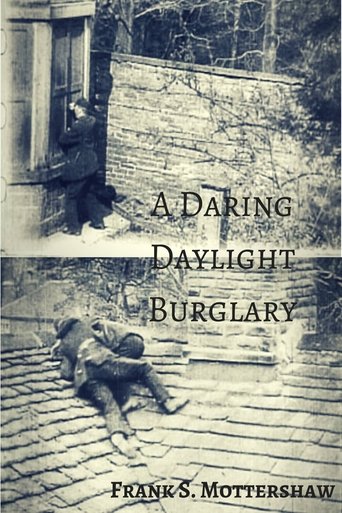
- British film 'A Daring Daylight Burglary' (1903)
- Georges Méliès' narrative films
- Edison's earlier narrative shorts
This film influenced
- The Story of the Kelly Gang (1906)
- Broncho Billy films (1910s)
- D.W. Griffith's 'The Battle at Elderbush Gulch' (1913)
- John Ford's early Westerns
- Stagecoach (1939)
- The Good, The Bad and The Ugly (1966)
Film restoration
the picture is well-preserved with multiple surviving prints in various archives. The Library of Congress holds a complete 35mm print in their collection, and the picture was selected for preservation in the National Film Registry in 1990. Several restoration projects have been undertaken, including a 2003 restoration for the picture's 100th anniversary. the picture exists in both its original 12-minute version and in various shortened versions that were created for different exhibition purposes. Digital copies are widely available for scholarly and public viewing.
Where to watch
- Library of Congress National Screening Room
- YouTube (Public Domain uploads)
- Internet Archive
- Kino Lorber DVD collections
- The Criterion Channel
- Museum of Modern Art film screenings
- Academic film archives
- Public domain streaming platforms