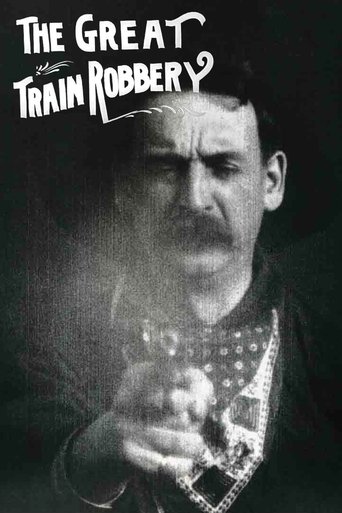
Films
1 film
About Mary Snow
This archive lists one role for Mary Snow: The Great Train Robbery (1903). Porter's landmark 1903 film 'The Great Train Robbery,' which is considered early narrative films in cinema history. Like many actors from this transitional period between stage and screen, Snow's career in motion pictures was extremely brief, lasting only the single year of 1903. The early 1900s was a time when film acting was not yet considered a prestigious profession, and many performers treated film work as temporary employment between stage engagements. Unfortunately, like many early film actors, detailed records of Snow's life, career, and personal background have been lost to time, reflecting the incomplete documentation of cinema's earliest performers. Her appearance in 'The Great Train Robbery' represents her entire known film legacy, making her part of one of cinema's most historically significant productions despite the brevity of her screen career.
The Craft
Milestones
- Appeared in 'The Great Train Robbery' (1903), one of cinema's earliest narrative feature films
Best Known For
Iconic Roles
Must-See Films
Working Relationships
Worked Often With
Studios
Why They Matter
Impact on Culture
Mary Snow's cultural impact is primarily historical rather than artistic, as she represents the anonymous pioneers of early cinema. Her participation in 'The Great Train Robbery' places her within the context of one of cinema's most groundbreaking films, which helped establish narrative filmmaking as an art form. The fact that so little is known about her and other early actors speaks to the transitional nature of film work in 1903, when many performers viewed movies as a temporary novelty rather than a serious career path. Her story illustrates how many of cinema's earliest contributors have been lost to history despite their role in creating foundational works of the medium.
Lasting Legacy
Mary Snow's legacy is that of an anonymous pioneer in the earliest days of narrative cinema. While her individual contributions may be lost to history, her participation in 'The Great Train Robbery' makes her part of a film that fundamentally changed how stories were told on screen. The film itself remains. Her story represents the countless unknown actors who helped build the foundation of the film industry during its infancy, many of whom received little recognition during their lifetimes and have been largely forgotten since.
Who They Inspired
Due to the extremely limited documentation of Mary Snow's career and life, her direct influence on other actors or filmmakers cannot be determined. However, as a participant in one of cinema's most influential early works, she was part of a production that would influence generations of filmmakers. 'The Great Train Robbery' pioneered techniques like cross-cutting, location shooting, and narrative structure that would become standard in filmmaking. While Snow's individual contribution may have been small, she was part of this revolutionary moment in cinema history that influenced the entire trajectory of the medium.
Off Screen
Very little is known about Mary Snow's personal life, which is typical for actors from the earliest days of cinema. Like many performers from this era, detailed biographical information was not systematically recorded, and many early film actors remained anonymous or used stage names that have since been lost to history.
Did You Know?
- Mary Snow appeared in 'The Great Train Robbery' (1903), which is often cited as the first American narrative film and
- The film was directed by Edwin S. Porter for the Edison Manufacturing Company
- Like many early film actors, Mary Snow's role in the film was likely uncredited
- 1903 was the very beginning of the narrative film era, making her one of the earliest film actors in history
- The film was only 12 minutes long but revolutionary for its time
- Many actors from this period were stage performers who did film work briefly as a novelty
- Early film actors often used stage names, making it difficult to trace their real identities
- The lack of information about Mary Snow is typical for actors from cinema's first decade
Frequently Asked Questions
Who was Mary Snow?
Screen credits include 1903's 'The Great Train Robbery,' one of cinema's most important early narrative films. Very little is known about her life and career, which is typical for actors from the days of cinema.
What films is Mary Snow best known for?
Titles linked here include The Great Train Robbery (1903).
When was Mary Snow born and when did she die?
The birth and death dates of Mary Snow are unknown, which is common for actors from the earliest days of cinema when detailed records were not maintained for film performers.
What awards did Mary Snow win?
Mary Snow did not receive any awards or nominations, as the film industry award system did not exist in 1903. The Academy Awards would not be established until 1929, decades after her brief career.
What was Mary Snow's acting style?
There is no documented information about Mary Snow's acting style, as her only known film appearance was in 1903 and detailed reviews or analyses of individual performances from this era are extremely rare.