Films
1 film
About Marie Murray
Marie Murray worked on one surviving credit: The Great Train Robbery (1903). Her most notable and possibly only known film role was in Edwin S. Porter's 1903 western 'The Great Train Robbery,' which is widely considered early narrative films in cinema history. Like many actors of this period, Murray was likely a stage performer who was recruited for this early film production, as the film industry had not yet established itself as a distinct profession with dedicated actors. Her appearance in this landmark film places her among the very first generation of film actors in American cinema. The film itself was revolutionary for its time, featuring innovative techniques such as cross-cutting, location shooting, and a narrative structure that influenced countless future westerns. Unfortunately, like many early film actors, detailed documentation about Murray's life, career, and other potential film work has been lost to history, reflecting the limited record-keeping and recognition given to performers in cinema's earliest days.
The Craft
Milestones
- Appeared in 'The Great Train Robbery' (1903),
- Participated in the era of American cinema
- Worked with director Edwin S. Porter at Edison Manufacturing Company
Best Known For
Iconic Roles
Must-See Films
Working Relationships
Worked Often With
Studios
Why They Matter
Impact on Culture
Marie Murray's contribution to cinema, while brief, represents the crucial transition from stage to screen performance that defined early film history. Her participation in 'The Great Train Robbery' places her among the actors who helped establish the vocabulary of cinematic performance. This film was instrumental in demonstrating that narrative storytelling could be effectively conveyed through the medium of film, influencing countless future productions and helping establish the western as a major film genre. The actors in this production, including Murray, were among the first to face the unique challenges of performing for the camera rather than a live audience, helping develop techniques that would become fundamental to film acting.
Lasting Legacy
Marie Murray's legacy is intrinsically tied to her appearance in one of cinema's most historically significant early films. While she may not have achieved the fame of later silent film stars, her contribution to 'The Great Train Robbery' ensures her place in film history as one of the first generation of American film actors. The film itself continues to be studied by film historians and students as a milestone in cinematic development, and all performers involved, including Murray, are recognized as pioneers who helped shape the emerging art form of motion pictures.
Who They Inspired
As an early film actor, Marie Murray was part of the foundational generation that influenced how acting would evolve in cinema. The performances in 'The Great Train Robbery' helped establish early conventions of film acting that would be built upon by subsequent generations of actors. While direct documentation of her influence on other performers is unavailable, her work contributed to the growing acceptance of film as a legitimate medium for dramatic performance, paving the way for the star system that would emerge in the following decades.
Off Screen
Very little is documented about Marie Murray's personal life, which was typical for actors in the earliest days of cinema. Like many performers from this era, she was likely a stage actor who was hired for this early film production, possibly from local theater companies in the New York or New Jersey area where Edison studios operated.
Did You Know?
- 'The Great Train Robbery' was only 12 minutes long but was considered a full-length feature in 1903
- The film was shot on location in New Jersey and at Edison's studio in the Bronx
- Many early film actors, including Murray, were not given full credit or recognition in contemporary documentation
- The film was so popular it remained in distribution for years, one of the longest-running films of its era
- Edwin S. Porter, the director, was a filmmaker who helped establish many basic film techniques
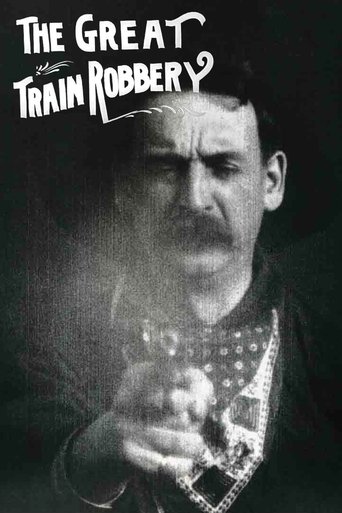
- The film's famous final shot of a bandit firing directly at the camera was considered shocking to audiences of the time
- Early film actors like Murray often worked anonymously, with credits being inconsistent or non-existent
- The film was produced by the Edison Manufacturing Company, one of the earliest film production studios
- Many of the actors in the film were likely stage performers from the New York area hired for the production
- The film's success helped establish the western as one of cinema's first and most enduring genres
Frequently Asked Questions
Who was Marie Murray?
Screen credits include the 1903 silent film 'The Great Train Robbery.' She was among the first generation of actors to work in the new medium of motion pictures during cinema's earliest days.
What films is Marie Murray best known for?
Titles linked here include The Great Train Robbery (1903).
When was Marie Murray born and when did she die?
Unfortunately, specific birth and death dates for Marie Murray are not documented, which was common for many early film actors. Historical records from this period were often incomplete, particularly for performers who had brief film careers.
What awards did Marie Murray win?
Marie Murray did not receive any formal awards or recognition during her lifetime. The film industry's award systems, including the Academy Awards, would not be established for decades after her brief career in 1903.
What was Marie Murray's acting style?
Specific details about Marie Murray's acting style are not documented. However, actors in this early period typically brought theatrical techniques from stage performance to film, adapting them for the new medium of motion pictures.
Why is Marie Murray significant in film history?
Marie Murray is significant as one of the actors who participated in 'The Great Train Robbery,' a landmark film that helped establish narrative cinema and the western genre. Her involvement places her among the foundational performers who shaped early American filmmaking.