Films
1 film
About Frank Hanaway
Frank Hanaway was one of the actors of early American cinema, best known for his appearance in Edwin S. Porter's 1903 film 'The Great Train Robbery.' As a performer during cinema's nascent years, Hanaway was part of the first generation of actors who transitioned from stage and vaudeville to the new medium of motion pictures. His brief but notable career coincided with the birth of narrative filmmaking in America. Hanaway worked primarily with the Edison Manufacturing Company, one of the earliest film production studios. Like many early film actors, his career was short-lived as the film industry was still developing and professional acting in cinema had not yet become an established career path. His contribution to 'The Great Train Robbery' places him among the foundational figures of American film history.
The Craft
On Screen
As an early film actor, Hanaway's style reflected the theatrical conventions of the era, with exaggerated gestures and expressions necessary to convey emotion in silent films. His performance techniques were adapted from stage acting, as the grammar of film acting had not yet been established.
Milestones
- Appeared in 'The Great Train Robbery' (1903),
- Part of the Edison Manufacturing Company's stock company of actors
- Contributed to the development of narrative cinema during its formative years
Best Known For
Iconic Roles
Must-See Films
Working Relationships
Worked Often With
Studios
Why They Matter
Impact on Culture
Frank Hanaway's contribution to 'The Great Train Robbery' places him among the foundational figures of American cinema. The film itself was revolutionary, establishing many conventions of the Western genre and narrative filmmaking that would influence generations of filmmakers. As one of the actors who brought this groundbreaking work to life, Hanaway participated in a pivotal moment in film history when cinema was transitioning from novelty to art form.
Lasting Legacy
While Frank Hanaway's individual legacy is limited due to the brevity of his film career and the scarcity of documentation about early film actors, his work in 'The Great Train Robbery' ensures his place in cinema history. The film remains.
Who They Inspired
As an early film actor, Hanaway's influence was primarily through his participation in establishing the visual language of narrative cinema. His work, along with that of his fellow cast members in 'The Great Train Robbery,' helped demonstrate that stories could be told effectively through moving images, paving the way for the development of film acting as a distinct art form.
Off Screen
Very little is documented about Frank Hanaway's personal life, which was common for many early film actors who were not considered celebrities in the modern sense. Like many performers of his era, he likely came from a theatrical or vaudeville background before entering films.
Did You Know?
- 'The Great Train Robbery' was only 12 minutes long but revolutionized filmmaking
- The film was shot in New Jersey and New York, not the American West
- Hanaway was part of a cast that included some of the first film 'stars'
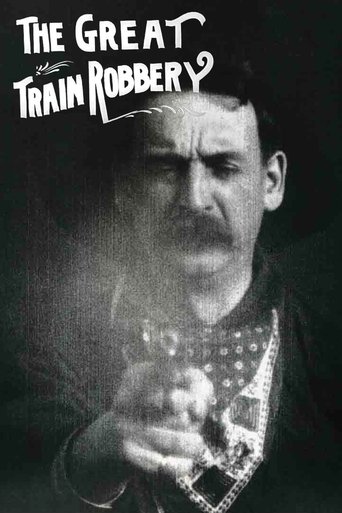
- The film's famous final shot of a bandit firing at the camera was revolutionary and shocking to audiences
- Edison Manufacturing Company was one of the first film studios in America
- The film was one of the first to use cross-cutting to build tension
- Many early film actors like Hanaway had backgrounds in vaudeville or theater
- The film was so popular it was shown for years after its release
- Early film actors were often uncredited and their contributions went unrecognized
- The film helped establish the Western as one of cinema's first popular genres
Frequently Asked Questions
Who was Frank Hanaway?
Early American film with credits in this catalog.' He was part of the first generation of actors who worked in cinema during its formative years, primarily with the Edison Manufacturing Company.
What films is Frank Hanaway best known for?
Titles linked here include The Great Train Robbery (1903).
When was Frank Hanaway born and when did he die?
Specific birth and death dates for Frank Hanaway are not documented, which was common for many early film actors who were not considered celebrities in the modern sense and whose personal details were not preserved in historical records.
What awards did Frank Hanaway win?
Frank Hanaway did not receive any formal awards or recognition during his career, as the film industry had not yet established awards systems during the brief period he was active in 1903.
What was Frank Hanaway's acting style?
Hanaway's acting style reflected the theatrical conventions of the early 1900s, featuring exaggerated gestures and expressions typical of stage actors adapting to the new medium of film, where subtle performances were difficult to capture with early camera technology.
Why is Frank Hanaway historically significant?
Frank Hanaway is historically significant for his participation in 'The Great Train Robbery,' a film that revolutionized cinema by establishing narrative techniques and genre conventions that would influence filmmaking for decades to come.