Films
1 film
About Robert Milasch
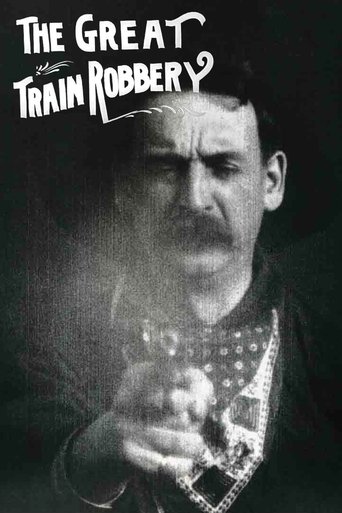
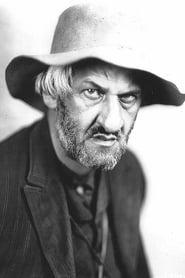
Robert Milasch is credited on a single production — The Great Train Robbery (1903). His known filmography consists of a single appearance in Edwin S. Porter's western 'The Great Train Robbery' in 1903, early narrative films in American cinema history. Like many actors of this era, Milasch was part of the transition from stage performance to the new medium of motion pictures, when actors were often anonymous performers rather than named stars. His brief appearance in this film places him among the very first actors to appear in narrative American cinema. The lack of extensive records about his career is typical of performers from this period, when the film industry was still in its infancy and systematic record-keeping of actors' biographies had not yet been established. His contribution, while small in scope, represents the foundational period of American film acting.
The Craft
Milestones
- Appeared in 'The Great Train Robbery' (1903),
Best Known For
Iconic Roles
Must-See Films
Working Relationships
Worked Often With
Studios
Why They Matter
Impact on Culture
Robert Milasch's participation in 'The Great Train Robbery' places him among the pioneers of American film acting, contributing to. Though his role was minor and his name largely lost to history, he represents the anonymous performers who helped launch the film industry during its embryonic stage. The film itself became a template for future westerns and narrative cinema, influencing countless filmmakers and establishing conventions that would persist for decades.
Lasting Legacy
While Robert Milasch himself did not achieve lasting fame, his legacy is tied to the historical significance of 'The Great Train Robbery' as a foundational work in American cinema. He represents the generation of stage actors who transitioned to the new medium of film during cinema's birth, helping establish the acting techniques that would evolve into screen performance. His contribution, however small, is part of the broader story of how cinema developed from novelty to art form.
Who They Inspired
As an actor from the very earliest period of American cinema, Robert Milasch's direct influence on subsequent performers is difficult to trace, but he was part of the generation that helped establish the basic vocabulary of film acting during the transition from theatrical to cinematic performance styles.
Off Screen
Very little is known about Robert Milasch's personal life, which is typical for actors from the earliest period of American cinema when performers were not yet considered celebrities and detailed biographical records were not maintained.
Did You Know?
- Appeared in what is considered one of the first Western films and
- Worked during the era when film actors were typically uncredited and anonymous
- Participated in a film that was only 12 minutes long but revolutionary for its time
- The film he appeared in used innovative techniques including cross-cutting and location shooting
- His active years covered only the year 1903, making him one of cinema's briefest performers
- The Great Train Robbery was produced by the Edison Manufacturing Company
- The film was so popular it remained in distribution for years and was
- Actors in 1903 were typically paid only a few dollars per day and were not considered celebrities
Frequently Asked Questions
Who was Robert Milasch?
Screen credits include Edwin S. Porter's groundbreaking 1903 film 'The Great Train Robbery.' His career was extremely brief, spanning only the year 1903, and like many actors from this period of cinema, very little biographical information about him survives.
What films is Robert Milasch best known for?
Titles linked here include The Great Train Robbery (1903).
When was Robert Milasch born and when did he die?
The birth and death dates of Robert Milasch are unknown, which is typical for actors from the very earliest period of American cinema when detailed biographical records of performers were not maintained.
What awards did Robert Milasch win?
Robert Milasch did not receive any formal awards or recognition during his brief career in 1903. The Academy Awards and other major film honors would not be established for decades after his time in cinema.
What was Robert Milasch's acting style?
Specific details about Robert Milasch's acting style are not documented, but actors of this era typically brought theatrical techniques to film performance, as the art of screen acting was still in its developmental stages.
Why is Robert Milasch historically significant?
Robert Milasch is historically significant primarily because he participated in 'The Great Train Robbery,' a film that helped establish narrative cinema in America. Though his role was minor, he represents the anonymous pioneers who helped launch the film industry.
Did Robert Milasch work with any famous directors?
Robert Milasch worked with Edwin S. Porter, who directed 'The Great Train Robbery' and was.