No Poster
Films
5 films
About A.C. Abadie
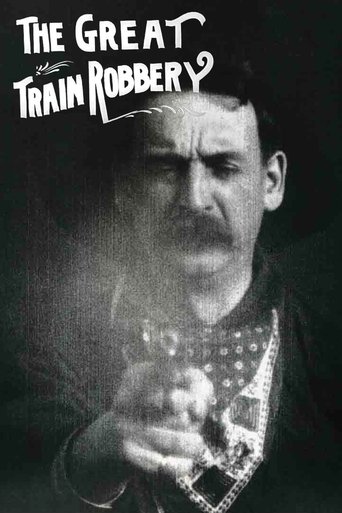
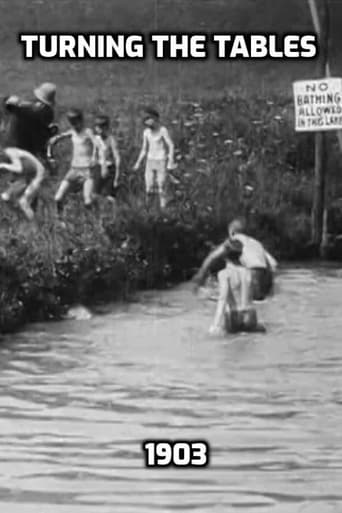
Figure in American cinema during the very early days of motion pictures, active primarily between 1901 and 1903. Working with the Edison Manufacturing Company during cinema's infancy, Abadie contributed to some of the most significant films of the era, both as an actor and director. His most notable acting role was in Edwin S. Porter's 'The Great Train Robbery' (1903), Westerns and narrative films in cinema history. As a director, he helmed several short comedies for Edison, including 'Move On' and 'Turning the Tables' in 1903, showcasing the studio's expansion into narrative storytelling. Abadie's career, though brief, coincided with the crucial transition period when cinema was evolving from simple actualities to complex narrative films. His work represents the collaborative nature of early filmmaking, where many individuals wore multiple hats as the industry was still developing its professional roles. Despite his limited filmography, Abadie's contributions to these foundational works cement his place in the annals of early American cinema.
The Craft
On Screen
As an actor in the early 1900s, Abadie employed the exaggerated, theatrical style common in silent film era performances, using broad gestures and facial expressions to convey emotion and action to audiences unaccustomed to cinematic storytelling. His performances were characterized by the physical comedy techniques popular in early Edison shorts, where clear visual storytelling was essential due to the lack of synchronized sound and the primitive nature of early film projection.
Behind the Camera
Abadie's directing style reflected the emerging narrative techniques of early cinema, focusing on clear visual storytelling and comedic situations that could be easily understood by audiences. His work with Edison Studios demonstrated the studio's emphasis on brief, self-contained stories with simple plots and visual gags, characteristic of the one-reel format that dominated early American filmmaking.
Milestones
- Acted in 'The Great Train Robbery' (1903), one of cinema's most influential early narrative films
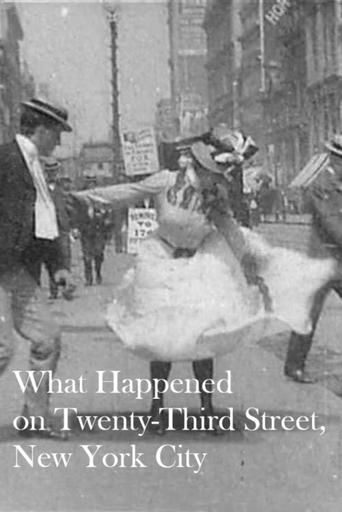
- Appeared in 'What Happened on Twenty-Third Street, New York City' (1901), an Edison comedy short
- Directed 'Move On' (1903) for Edison Manufacturing Company
- Directed 'Turning the Tables' (1903) for Edison Manufacturing Company
- Worked during the crucial transition period of cinema from actualities to narrative films
Best Known For
Iconic Roles
Must-See Films
Working Relationships
Worked Often With
Studios
Why They Matter
Impact on Culture
A.C. Abadie's cultural impact lies in his participation in some of the most formative films of early American cinema. His appearance in 'The Great Train Robbery' connects him to a film that established many conventions of the Western genre and narrative filmmaking that would influence cinema for decades. As both actor and director during this pivotal period, Abadie represents the versatile, multi-talented individuals who helped shape the language of cinema when the industry was still defining itself.
Lasting Legacy
A.C. Abadie's legacy is preserved through his contributions to foundational American films that continue to be studied by film historians and scholars. While his name may not be widely recognized by modern audiences, his work in 'The Great Train Robbery' ensures his place in cinema history as part of. His brief but significant career during cinema's birth years exemplifies the collaborative spirit and experimental nature of early filmmaking.
Who They Inspired
As an early cinema pioneer, Abadie's influence is primarily indirect, transmitted through the films he helped create that would inspire subsequent generations of filmmakers. The narrative techniques and visual storytelling methods employed in films like 'The Great Train Robbery' would become standard practice in cinema, and Abadie's contributions to these works make him part of this foundational legacy.
Off Screen
Very little is known about A.C. Abadie's personal life, as detailed biographical information was rarely preserved for early film industry workers. Like many of his contemporaries in the nascent film industry, he was likely drawn to the new medium during its experimental phase when the Edison Manufacturing Company was recruiting talent for their motion picture productions in New York and New Jersey.
Did You Know?
- A.C. Abadie worked during the very earliest days of American cinema, when films were typically only a few minutes long
- His entire known filmography spans only three years, from 1901 to 1903
- He was part of the Edison Manufacturing Company, one of the first and most important American film studios
- 'The Great Train Robbery' (1903), in which he appeared, was one of the first films to tell a complete story with multiple scenes
- The Edison studio where Abadie worked was located in the Bronx, New York, during this period
- Early film actors like Abadie were often anonymous, with credits rarely appearing on films
- His career ended just as the film industry was beginning to establish itself as a major entertainment medium
- The films he worked on were shot on 35mm film, a standard that would persist throughout cinema history
Frequently Asked Questions
Who was A.C. Abadie?
American actor and on YTB.my. He appeared in and directed several films during cinema's formative years.
What films is A.C. Abadie best known for?
Titles linked here include The Great Train Robbery (1903), What Happened on Twenty-Third Street, New York City (1901).
When was A.C. Abadie born and when did he die?
Unfortunately, specific birth and death dates for A.C. Abadie are not known, as detailed biographical information was rarely preserved for early film industry workers during cinema's infancy.
What awards did A.C. Abadie win?
A.C. Abadie did not receive any formal awards or nominations, as the Academy Awards and other major film honors were not established until decades after his brief career in early cinema.
What was A.C. Abadie's acting and directing style?
Abadie's acting style reflected the theatrical, exaggerated approach common in early silent films, using broad physical gestures for clear visual storytelling. His directing style focused on simple narrative structures and visual gags typical of Edison's early one-reel comedies.