The Son-of-a-Gun
"Cowboy saves a boy from a crooked card game"
Keys: Space play/pause · ←/→ 10s · F fullscreen · M mute · </> speed
About this film
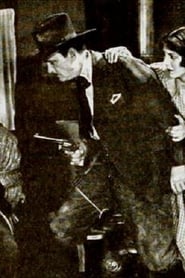
A young man is lured into a cardgame by a crooked dealer. He is about to lose all the money that was given to him to get medicine for his mother when a local cowboy comes to his rescue.
Cast & crew
More films like this
More Western films
View all →

More from Gilbert M. Anderson
View all →
More about this film
About the production
Release dateMarch 1919
ProductionEssanay Studios
Filmed inNiles, California
This was one of the later films in Gilbert M. Anderson's 'Broncho Billy' series, though he was transitioning away from the character by this time. The film was produced during the transitional period when Westerns were evolving from simple action pieces to more narrative-driven stories with moral lessons. Anderson used his extensive experience in Western filmmaking to create a compact but emotionally resonant story.
Themes
Themes & topics
Historical background
Made during the studio era of 1919, The Son-of-a-Gun reached audiences through theatrical programs, fairground booths, or specialized distribution channels typical of its generation. A young man is lured into a cardgame by a crooked dealer. He is about to lose all the money that was given to him to. Historians now read such works for what they reveal about production methods, national taste, and the expanding vocabulary of screen narrative.
Why this film matters
Archivists and programmers still screen The Son-of-a-Gun when tracing how popular entertainment evolved. Its subject—a young man is lured into a cardgame by a crooked dealer. he is about to lose all the money that—gives later viewers tangible evidence of what drew crowds in the silent period. Home video, restorations, and festival sidebars keep the title circulating among students of film history.
Making of
The Son-of-a-Gun was produced during a pivotal time in Gilbert M. Anderson's career as he was gradually moving away from his famous 'Broncho Billy' character that had made him famous. The film showcases Anderson's directorial expertise in creating compelling narratives within the limited timeframe of a short film. The production utilized Essanay's established Western sets in Niles, California, which had been the backdrop for hundreds of Western films. The card game scene required careful choreography to convincingly portray the cheating mechanics while remaining clear to the audience. Anderson, having directed countless Westerns, brought his signature style of combining action with moral lessons, reflecting the values of frontier justice that resonated with contemporary audiences.
What critics said
Original trade coverage treated The Son-of-a-Gun as routine program filler rather than a landmark production—common for shorts. Later criticism emphasizes preservation, stylistic comparison with contemporaries, and whatever cast or crew names later gained prominence. Contemporary writing is mostly historical: assessing completeness, influence, and place in a director's or studio's catalog.
Did you know?
- Gilbert M. Anderson, also known as 'Broncho Billy,' was one of the first Western film stars and directed over 300 films in his career.
- This film was produced by Essanay Studios, which Anderson co-founded in 1907 before selling his interests in 1914.
- The Son-of-a-Gun was released during the final year of World War I, a time when Westerns provided audiences with escapist entertainment.
- Joy Lewis was one of the few actresses who worked regularly with Anderson in his later films.
- Fred Church appeared in numerous Westerns throughout the 1910s and 1920s, often playing supporting roles.
- The film was shot in Niles, California, which was a popular filming location for early Westerns due to its varied landscape.
- This short film represents the transition from the simpler Western plots of the 1900s to more complex narratives with social themes.
- The card game scene was a common trope in early Westerns, often used to demonstrate the hero's moral superiority.
- Anderson's films were known for their authenticity, often featuring real cowboys and genuine frontier settings.
Visual style
The cinematography of The Son-of-a-Gun reflects the standard techniques of late silent-era Westerns. The film utilizes natural lighting for exterior scenes, taking advantage of California's abundant sunshine. Interior scenes, particularly the crucial card game sequence, employ dramatic lighting to emphasize tension and focus attention on the characters' expressions. The camera work is relatively static compared to later films, but shows the influence of Anderson's extensive experience in creating visually compelling scenes within limited technical means. Close-ups are used strategically during moments of high emotion, particularly when the young man faces losing his mother's medicine money.
Innovations
While The Son-of-a-Gun doesn't feature groundbreaking technical innovations, it demonstrates the refinement of established filmmaking techniques by 1919. The film shows efficient use of cross-cutting between the card game and implied off-screen action to build suspense. Anderson's direction demonstrates sophisticated understanding of visual storytelling within the constraints of the short film format. The production values reflect the maturation of the film industry, with more polished editing and camera work than earlier Westerns. The film's ability to convey a complete moral narrative in just 15 minutes represents an achievement in concise storytelling.
Music
As a silent film, The Son-of-a-Gun would have been accompanied by live musical performance during its theatrical run. Typical accompaniment would have included a piano or small orchestra providing mood-appropriate music. The card game scene would have featured tense, dramatic music, while the hero's intervention would have been accompanied by triumphant themes. The emotional scenes involving the sick mother would have used sentimental melodies to enhance the pathos. No original score survives, as was common for films of this era, with musical selections left to the discretion of individual theater musicians.
Famous quotes
A man who cheats at cards will cheat at anything" (implied theme)
No one takes advantage of the helpless in this town" (hero's stance)
Your mother needs that medicine more than these crooks need your money" (hero's intervention)
Memorable scenes
- The tense card game scene where the young man faces losing his mother's medicine money, with the camera focusing on the nervous glances between players and the subtle hand movements of the cheating dealer. The scene builds suspense through close-ups of the cards and the increasingly desperate expression of the young man, culminating in the cowboy's dramatic entrance to expose the fraud.
What audiences thought
Audiences in 1919 responded positively to The Son-of-a-Gun, as it delivered the familiar satisfaction of seeing justice prevail against dishonesty. The film's clear moral framework and heroic resolution provided the kind of escapist entertainment that moviegoers sought during the uncertain post-war period. Anderson's established reputation as 'Broncho Billy' ensured audience interest, even as he was transitioning away from his signature character. The medicine-for-mother plot element added emotional weight that resonated with viewers, making the cowboy's intervention more meaningful than simple action-heroics. The film's brief but complete narrative structure was well-suited to the viewing habits of the time, when programs typically featured multiple short films.
Film connections
Influenced by
- Earlier Broncho Billy films
- D.W. Griffith's moral storytelling
- Contemporary literary Westerns
- Stage melodrama traditions
This film influenced
- Later John Ford Westerns
- Gary Cooper's Western films
- The moral Westerns of the 1930s
- Television Western episodes
Film restoration
The preservation status of The Son-of-a-Gun is uncertain, as is common with many films from this era. Many of Gilbert M. Anderson's Essanay films from the late 1910s are considered lost or exist only in fragmentary form. The film may exist in archives such as the Library of Congress or the Museum of Modern Art's film collection, but comprehensive records are incomplete. Some sources suggest that portions or complete copies may be held in private collections or European archives, but public access is limited.
Where to watch
- Due to its age and uncertain preservation status, The Son-of-a-Gun is not currently available on mainstream streaming platforms. Potential viewing options might include: Specialized silent film archives, Film museum screenings, Academic film collections, Potential inclusion in comprehensive Gilbert M. Anderson film compilations if ever released, Private collector screenings (rare)