Mattie Witting
Actor
Born: December 19, 1870 in Philadelphia, Pennsylvania, USA Died: November 23, 1928 Active: 1916-1919 Birth Name: Martha Witting
Films
3 films
About Mattie Witting
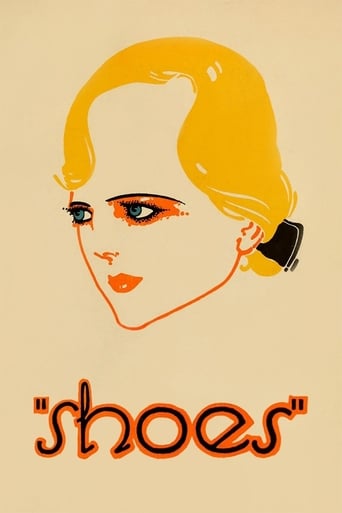
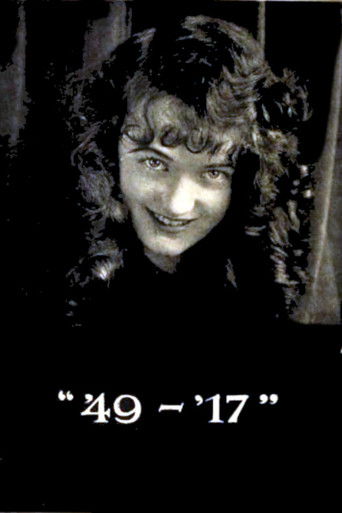
American actress who worked during the silent film era, primarily active between 1916 and 1919. Mattie appears in several notable films of the period, including Lois Weber's social drama 'Shoes' (1916), which dealt with themes of poverty and morality. Witting worked alongside other figures of early cinema, contributing to the development of film acting techniques during the transition from stage to screen. Her filmography, though brief, spans different genres from social dramas to comedies, demonstrating her versatility as a character actress. Like many actors of her era, her career was likely impacted by the transition to sound films in the late 1920s. Witting's performances, while not extensively documented, represent the work of countless supporting actors who helped build the foundation of American cinema during its formative years.
The Craft
On Screen
As a silent film actress, Mattie Witting would have employed exaggerated gestures and facial expressions to convey emotion, typical of the period's acting style before the advent of sound. Her performances in social dramas like 'Shoes' suggest she was capable of conveying complex emotional states through physical acting alone.
Milestones
- Appeared in Lois Weber's controversial film 'Shoes' (1916)
- Worked during the transitional period of American cinema
- Participated in early social commentary films
- Contributed to the development of character acting in silent films
Best Known For
Iconic Roles
Must-See Films
Working Relationships
Worked Often With
Studios
Why They Matter
Impact on Culture
Mattie Witting contributed to the early development of American cinema during a crucial period of artistic exploration. Her work in films like 'Shoes' helped establish the potential of cinema as a medium for social commentary, participating in projects that pushed boundaries of what was considered acceptable subject matter in film. As one of many character actors of the silent era, she represents the collective effort of performers who built the foundation of Hollywood's golden age.
Lasting Legacy
While not a major star, Mattie Witting's legacy survives through her contributions to important early films that have been preserved by film archives. Her work in Lois Weber's 'Shoes' ensures her place in cinema history as part of. The preservation of these films allows modern audiences to appreciate the craft of early character actors like Witting who helped establish the vocabulary of film acting.
Who They Inspired
As a supporting actress during the formative years of American cinema, Mattie Witting contributed to the development of screen acting techniques that would influence subsequent generations of performers. Her work in socially conscious films helped demonstrate cinema's potential as an artistic medium capable of addressing serious themes, paving the way for future narrative films.
Off Screen
Mattie Witting was born Martha Witting in Philadelphia in 1870. Little detailed information is available about her personal life, which was not uncommon for character actors of the silent era who often lived outside the spotlight. She passed away in 1928 at the age of 57, just as the transition to sound films was revolutionizing Hollywood and ending many silent film careers.
Did You Know?
- Born in 1870, she was already in her mid-40s when she began her film career
- Her most famous film 'Shoes' was considered controversial for its time due to its depiction of poverty and sexual temptation
- The film 'Shoes' was directed by Lois Weber,
- Witting's active years covered only four years, typical of many character actors of the period
- She worked during World War I, a period that saw significant changes in the American film industry
- Her death in 1928 came just as sound films were revolutionizing Hollywood
- Like many silent film actors, she likely had stage experience before entering films
- The preservation of 'Shoes' has ensured her work survives for modern film scholarship
Frequently Asked Questions
Who was Mattie Witting?
American actress who worked during the silent film era from 1916 to 1919. She appeared in several notable films including Lois Weber's 'Shoes' (1916), and was known for her character roles in early American cinema.
What films is Mattie Witting best known for?
When was Mattie Witting born and when did she die?
Born December 19, 1870; died November 23, 1928.
What awards did Mattie Witting win?
There are no records of Mattie Witting receiving major awards or nominations during her career. This was not uncommon for character actors of the silent era, particularly those who worked in supporting roles.
What was Mattie Witting's acting style?
As a silent film actress, Mattie Witting would have employed the exaggerated physical acting style typical of the period, using gestures and facial expressions to convey emotion. Her work in social dramas suggests she was capable of portraying complex characters through physical performance alone.