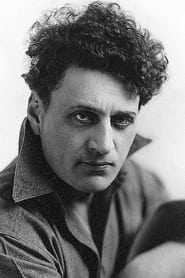
Fred Church
Actor
Born: October 7, 1888 in Ames, Iowa, USA Died: January 7, 1983 Active: 1911-1919 Birth Name: Frederick Church
Films
5 films
About Fred Church
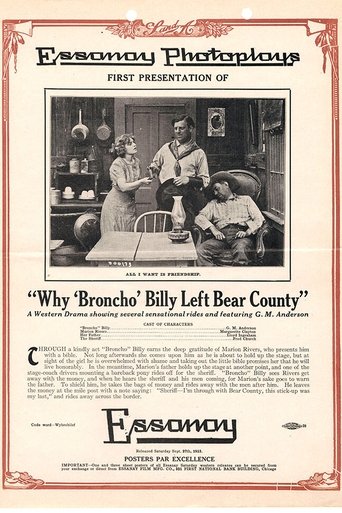
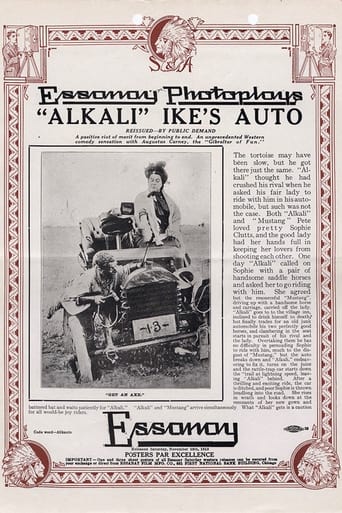
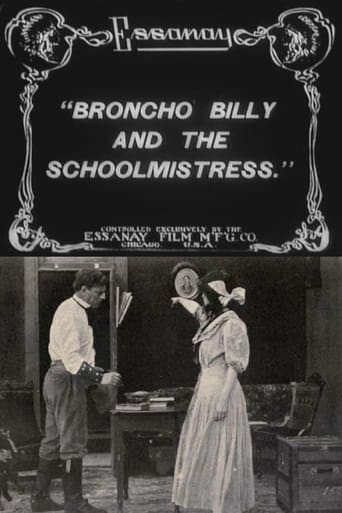
American actor who rose to prominence during the silent film era, particularly in westerns. Born in 1888 in Iowa, he began his film career in 1911 with Essanay Studios, quickly becoming a regular collaborator with Broncho Billy Anderson, one of the first western stars. Church appeared in numerous short films throughout the 1910s, often playing supporting roles as cowboys, villains, or lawmen in western productions. His rugged appearance and natural riding skills made him a valuable character actor in the burgeoning western genre. Beyond westerns, he also appeared in comedies and dramas, showcasing his versatility as a performer. While his career was relatively brief, spanning primarily from 1911 to 1919, he contributed significantly to the early development of the western film genre. After leaving acting, Church largely disappeared from public life, though he lived until 1983, witnessing the complete transformation of the film industry he had helped establish.
The Craft
On Screen
Fred Church embodied the naturalistic style typical of early silent film actors, relying on physical expressiveness and authentic western mannerisms rather than theatrical exaggeration. His performances were characterized by a rugged authenticity that came naturally from his familiarity with western life, making his portrayals of cowboys and frontier characters particularly convincing. Church had a commanding screen presence that allowed him to effectively play both heroes and villains, often using minimal gestures to convey complex emotions. His riding skills and comfort around horses added an extra layer of realism to his western performances, which was highly valued in an era when audiences craved authentic frontier depictions.
Milestones
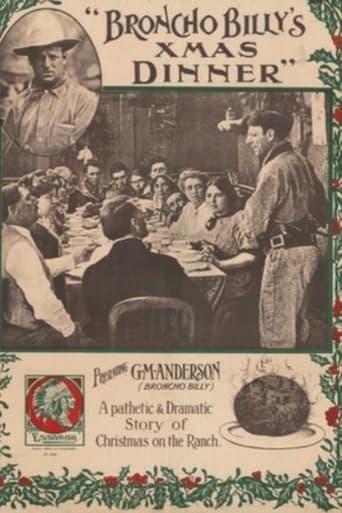
- Debut in Broncho Billy's Christmas Dinner (1911)
- Regular performer at Essanay Studios
- Frequent collaborator with Broncho Billy Anderson
- Appeared in over 50 silent films
- Specialized in western character roles
Best Known For
Iconic Roles
Must-See Films
Working Relationships
Worked Often With
Studios
Why They Matter
Impact on Culture
Fred Church contributed to the foundational development of the western film genre during its formative years in American cinema. As a regular performer in Broncho Billy Anderson's films, he helped establish many of the character archetypes and narrative conventions that would define westerns for decades to come. His authentic portrayals of frontier life helped create the visual language of the American West that would captivate audiences worldwide. While not a star in his own right, Church's reliable performances in supporting roles provided the necessary credibility and texture that elevated Broncho Billy's productions above typical early western fare. His work represents the collaborative nature of early filmmaking, where character actors like Church were essential in building the mythic American West on screen.
Lasting Legacy
Fred Church's legacy lies in his contribution to the early establishment of the western film genre as one of the reliable character actors who brought authenticity to silent western productions. Though his name is largely forgotten today, his body of work with Essanay Studios and Broncho Billy Anderson represents an important chapter in American film history. Church exemplifies the countless skilled performers who were essential to the success of early cinema but whose names have faded from popular memory. His films survive as valuable artifacts of early American filmmaking, documenting the evolution of cinematic storytelling and the creation of enduring American myths. For film historians and silent cinema enthusiasts, Church represents the unsung heroes of Hollywood's golden age.
Who They Inspired
While Fred Church did not directly mentor future generations of actors or leave behind a documented influence on specific performers, his work contributed to the development of western film conventions that would influence countless actors and directors who followed. The authentic western characterizations he helped establish provided a template for future western performers, influencing how cowboys, lawmen, and outlaws would be portrayed on screen for decades. His collaborations with Broncho Billy Anderson helped create a successful formula for western filmmaking that would be emulated and expanded upon by future filmmakers. Church represents the foundational layer of western cinema upon which later, more famous western stars would build their careers.
Off Screen
Fred Church was born Frederick Church in Ames, Iowa, where he spent his early years before moving west to pursue opportunities in the burgeoning film industry. Details about his personal life are scarce, as was common for many early film actors who lived relatively private lives outside of their screen work. Church never married and had no children, dedicating his life primarily to his craft during his brief but impactful career in silent films. After retiring from acting in 1919, he largely withdrew from the entertainment industry and lived a quiet life away from the Hollywood spotlight. He spent his later years in California, witnessing the dramatic evolution of the film industry he had helped establish in its infancy.
Education
Limited information available about his formal education, though he likely received basic schooling in Iowa before moving to California to pursue film work.
Did You Know?
- Born in Ames, Iowa, the same state that produced fellow western actor Tom Mix
- His real first name was Frederick, though he used Fred professionally
- Appeared in over 50 films during his eight-year career
- Was one of the original members of the Essanay Studios western film unit
- Often performed his own stunts, including horse riding and action sequences
- Worked during the transitional period when films were moving from one-reelers to longer features
- Retired from acting before the transition to sound films in the late 1920s
- Lived to be 94 years old, outliving most of his silent film contemporaries
- His films were shot primarily in and around Niles, California, where Essanay had its western unit
- Never achieved star status but was considered a reliable and professional character actor
Frequently Asked Questions
Who was Fred Church?
American with credits in this catalog. He was best known for his collaborations with Broncho Billy Anderson at Essanay Studios, appearing in numerous short western films between 1911 and 1919.
What films is Fred Church best known for?
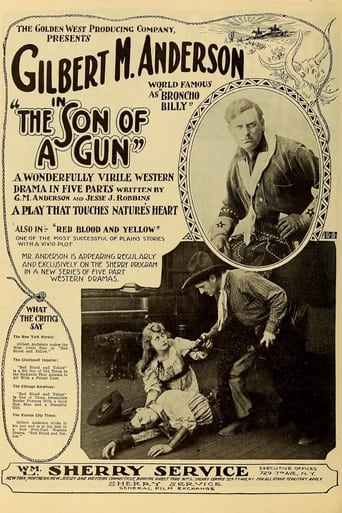
Titles linked here include Broncho Billy's Christmas Dinner (1911), The Son-of-a-Gun (1919).
When was Fred Church born and when did he die?
Born October 7, 1888; died January 7, 1983.
What awards did Fred Church win?
Fred Church did not receive any major awards or nominations during his career, which was common for character actors in the early silent film era. His contributions were primarily in helping establish the western film genre rather than in individual recognition.
What was Fred Church's acting style?
Fred Church employed a naturalistic acting style typical of early western actors, emphasizing authenticity and physical expressiveness. His performances were characterized by rugged realism and genuine western mannerisms that made his portrayals of frontier characters particularly convincing to early film audiences.