Frank Whitson
Actor
Born: March 22, 1877 in New York City, New York, USA Died: September 19, 1946 Active: 1915-1928
Films
3 films
About Frank Whitson
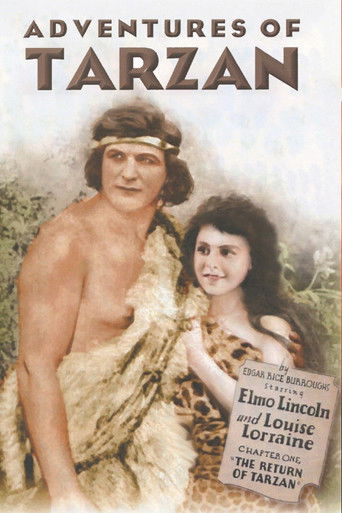
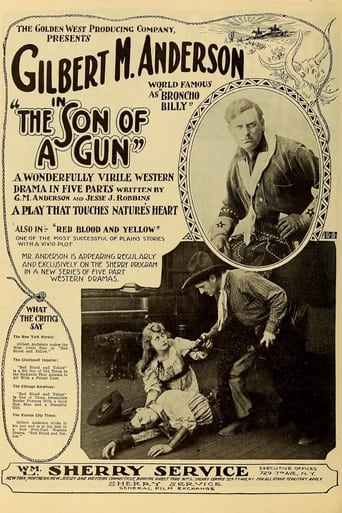
Prolific American character actor of the silent film era, born on March 22, 1877, in New York City. He began his film career around 1915 and quickly established himself as a reliable supporting player, appearing in over 100 films during his thirteen-year career. Whitson worked extensively with major studios of the era including Universal Pictures, Fox Film Corporation, and Paramount Pictures, often portraying authority figures, villains, or paternal characters. His most notable work includes appearances in 'The Adventures of Tarzan' (1921) opposite Elmo Lincoln, where he played the villainous Rokoff, and 'The Son-of-a-Gun' (1919). Whitson's the peak of the silent era, and he worked with prominent directors such as Cecil B. DeMille and John Ford. As the transition to sound films began in the late 1920s, Whitson's career gradually declined, and he made his final film appearance in 1928. He spent his final years in Hollywood, where he passed away on September 19, 1946, at the age of 69.
The Craft
On Screen
Frank Whitson was known for his commanding screen presence and versatility in character roles. He employed a theatrical yet naturalistic style typical of the silent era, using expressive gestures and facial features to convey emotion. Whitson excelled at playing authority figures, villains, and paternal characters, bringing depth to supporting roles that could easily have been one-dimensional. His physical stature and distinctive features made him memorable on screen, and he adapted well to both dramatic and light-hearted material.
Milestones
- Film debut in 1915 with Universal Pictures
- Breakthrough role in 'The Trail of the Lonesome Pine' (1916)
- Notable villain role in 'The Adventures of Tarzan' (1921)
- Prolific career with over 100 film appearances
- Work with major studios including Universal, Fox, and Paramount
Best Known For
Iconic Roles
Must-See Films
Working Relationships
Worked Often With
Studios
Why They Matter
Impact on Culture
Frank Whitson contributed to the golden age of silent cinema as one of the many reliable character actors who formed the backbone of the industry. While never a leading man, his consistent performances helped establish the template for supporting roles in American cinema. His work in early adventure films like 'The Adventures of Tarzan' helped shape the visual language of the action-adventure genre that would become a staple of Hollywood. Whitson's career trajectory also reflects the broader challenges faced by many silent film actors during the transition to sound, highlighting an important transitional period in film history.
Lasting Legacy
Frank Whitson's legacy lies in his substantial body of work that exemplifies the craft of character acting in silent cinema. His over 100 film appearances provide a valuable record of early Hollywood filmmaking techniques and storytelling methods. While not a household name today, film historians and silent cinema enthusiasts recognize his contributions to the medium. His performances in surviving films continue to be studied for their embodiment of silent era acting techniques and their role in establishing character archetypes that would influence cinema for decades.
Who They Inspired
Whitson influenced subsequent generations of character actors through his demonstration of how to make supporting roles memorable and impactful. His ability to convey complex emotions through physical expression set a standard for non-verbal acting that remains relevant. Contemporary actors studying silent film techniques often reference performers like Whitson as examples of effective character development without dialogue. His work in early genre films helped establish conventions that character actors continue to follow in adventure and dramatic cinema.
Off Screen
Frank Whitson was married to actress Mary Hall, with whom he occasionally shared screen credits. The couple resided in Hollywood during the peak of his career and remained together until his death. Whitson was known among his colleagues as a professional and reliable actor who took his craft seriously despite often playing supporting roles. He was active in the early Hollywood community and participated in various actors' organizations of the era.
Education
Limited information available, likely received theatrical training in New York before entering films
Family
- Mary Hall (married until his death in 1946)
Did You Know?
- Appeared in over 100 films during his 13-year career
- Often played villains and authority figures due to his imposing presence
- Worked during the transitional period from short films to feature-length productions
- His film 'The Adventures of Tarzan' (1921) was one of the earliest Tarzan adaptations
- Survived the transition from short one-reel films to full-length features
- Worked with both major stars and character actors of the silent era
- His career coincided with the peak of the silent film industry
- Like many silent actors, his career declined with the advent of sound
- Was part of the stable of character actors that Universal Pictures built in the 1910s
- His films provide valuable documentation of early 20th century American culture and values
In Their Own Words
No documented famous quotes from Frank Whitson, as was common for supporting actors of the silent era who rarely gave interviews or had their words preserved in print
Frequently Asked Questions
Who was Frank Whitson?
Screen credits include over 100 silent films between 1915 and 1928. He was known for playing authority figures, villains, and paternal roles in films produced by major studios like Universal and Fox.
What films is Frank Whitson best known for?
Titles linked here include The Adventures of Tarzan (1921), The Son-of-a-Gun (1919).
When was Frank Whitson born and when did he die?
Born March 22, 1877; died September 19, 1946.
What awards did Frank Whitson win?
Frank Whitson did not receive any major awards during his career, which was common for character actors of the silent era who often worked without formal recognition despite their significant contributions to films.
What was Frank Whitson's acting style?
Whitson employed a theatrical yet naturalistic style typical of the silent era, using expressive gestures and facial features to convey emotion. He excelled at playing authority figures and villains, bringing depth to supporting roles through his commanding screen presence.