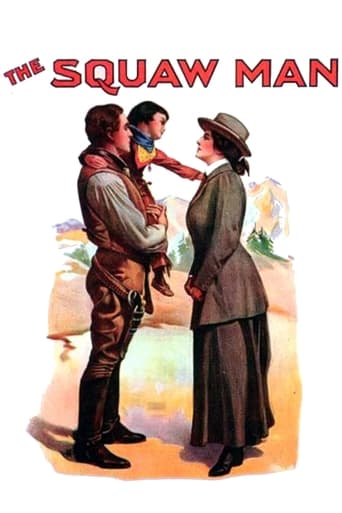
Broncho Billy's Fatal Joke
"A joke turns fatal"
Keys: Space play/pause · ←/→ 10s · F fullscreen · M mute · </> speed
About this film
Billy plays a prank on an old miner and causes the poor old man to have a heart attack. Exhibitors circulated the 1914 print in short programs.
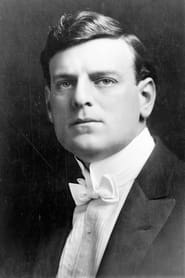
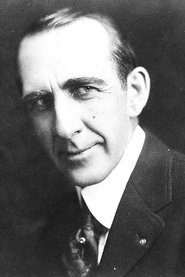
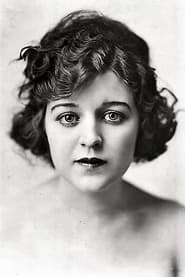
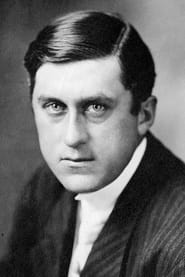
Cast & crew
More films like this
More Western films
View all →

More from Gilbert M. Anderson
View all →
More about this film
About the production
Release dateMarch 14, 1914
Box officeBox office figures not recorded for individual shorts of this era
ProductionEssanay Film Manufacturing Company
Filmed inNiles, California, Chicago, Illinois (studio work)
This was one of hundreds of Broncho Billy shorts produced by Essanay Studios. The film was shot quickly, likely in 1-2 days, as was typical for shorts of this period. Anderson often served as not only star but also producer, writer, and director on his films. The production utilized Essanay's California facilities in Niles, which provided authentic Western landscapes. The elderly miner character was played by an actual older actor, adding authenticity to the role.
Themes
Guilt and remorseUnintended consequencesMoral responsibilityThe danger of thoughtless actionsRespect for the elderly
Themes & topics
prank gone wrongfatal consequenceselderly victimheart attackWesternmoral taleguiltremorseminerpractical joke
Historical background
Broncho Billy's Fatal Joke reached screens around 1914, produced in its country of origin. Silent-era houses paired such titles with live music and newsreel bills.
Why this film matters
Researchers cite Broncho Billy's Fatal Joke when tracing screen culture of its decade.
Making of
The production of 'Broncho Billy's Fatal Joke' followed the efficient factory-like system that Essanay Studios had perfected for their Western shorts. Anderson, having established himself as a reliable star and director, was given considerable creative control over his films. The casting of Carl Stockdale and Marguerite Clayton was typical of Anderson's approach - using reliable character actors who could work quickly and effectively. The elderly miner role would have been carefully cast to find an actor who could convincingly portray both the initial joy of striking gold and the subsequent fatal shock. The film was likely shot on Essanay's Niles lot, which had become a miniature Hollywood for Western production. Anderson's hands-on approach meant he was involved in every aspect of production, from script development to final editing. The quick turnaround time - often just weeks from concept to release - was necessary to meet the insatiable demand for new shorts from theater owners.
What critics said
Reviewers in 1914 weighed Broncho Billy's Fatal Joke on clarity, pacing, and audience response rather than prestige status. No single canonical review dominates later reference works for the title.
Did you know?
- Gilbert M. Anderson created the Broncho Billy character and starred in nearly 400 short films featuring this notable Western hero between 1910 and 1916
- This film was part of the massive output from Essanay Studios, which produced hundreds of Western shorts annually
- Anderson was one of the first true Western movie stars and helped establish many genre conventions still used today
- The film's moralistic tone was typical of the era, as early cinema often included clear moral lessons
- Essanay's Niles, California studio location was chosen specifically for its Western scenery and proximity to San Francisco
- The film was released during the peak of Broncho Billy's popularity, when Anderson was one of the highest-paid actors in Hollywood
- Like many films of this era, it was likely shot chronologically to save time and money
- The film represents a departure from typical action-oriented Westerns, focusing instead on human drama and consequences
- Anderson often performed his own stunts, though the dramatic nature of this film likely required fewer dangerous sequences
- The film's title reflects the melodramatic naming conventions popular in early cinema
Visual style
The cinematography by Jess Robbins (typical Essanay cameraman) would have utilized natural lighting where possible, especially for outdoor scenes shot at the Niles location. The camera work would have been relatively static, as was common in 1914, with careful composition to tell the story visually. The film likely used medium shots for character interactions and longer shots to establish the Western setting. The dramatic scenes would have employed closer shots to capture the actors' emotional expressions, particularly during the fatal heart attack sequence. The black and white photography would have emphasized the stark moral contrast between Billy's initial thoughtlessness and his subsequent remorse. The visual storytelling would have been crucial in conveying the narrative without dialogue.
Innovations
While not technically innovative, the film demonstrates the polished production techniques that Essanay had developed by 1914. The efficient one-reel format required precise storytelling and editing to convey a complete narrative within approximately 10 minutes. The film showcases the effective use of location shooting combined with studio work, a technique that helped establish the visual language of Western films. The makeup effects for the elderly miner character would have been notable for the period, helping to create a believable character. The film's pacing and structure demonstrate the sophisticated understanding of narrative timing that Anderson had developed through his extensive experience in short-form filmmaking.
Music
As a silent film, 'Broncho Billy's Fatal Joke' would have been accompanied by live musical performance in theaters. Typical accompaniment would have included a piano player or small orchestra using stock music appropriate to the mood of each scene. Dramatic moments like the fatal heart attack would have been underscored with tense, minor-key music, while lighter moments would have used more cheerful melodies. The musical selections would have been chosen from published cue sheets that theaters received with the film, or improvised by skilled accompanists familiar with the conventions of film scoring. The music would have played a crucial role in guiding audience emotions and enhancing the film's moral message.
Famous quotes
(Intertitle) 'A joke is never funny when it costs a life'
(Intertitle) 'Thoughtless words can wound deeper than any bullet'
(Intertitle) 'The weight of guilt is heavier than any gold'
Memorable scenes
- The moment Billy realizes his prank has caused the old miner's fatal heart attack, captured in a close-up showing his horror and remorse
- The opening scene where the elderly miner joyfully discovers his gold strike, creating the tragic irony of his impending fate
- Billy's final solitary scene, wandering alone with the burden of his guilt, emphasizing the moral lesson
What audiences thought
Audiences in 1914 responded positively to Broncho Billy films, which were consistently popular at nickelodeons and small theaters across America. The character's relatable humanity and moral clarity appealed to contemporary viewers. This particular film's tragic theme would have resonated with audiences who valued clear moral lessons in their entertainment. The Broncho Billy series was so successful that theaters regularly advertised when new installments were arriving. Anderson's everyman quality as an actor made him particularly popular with working-class audiences. The film's emotional content likely provided a change of pace from the more action-oriented entries in the series, demonstrating the versatility that kept audiences returning to see Broncho Billy's latest adventures.
Film connections
Influenced by
- Earlier Broncho Billy films
- Contemporary dime novels
- Stage melodramas
- Biblical parables about consequences
This film influenced
- Subsequent Broncho Billy films with moral themes
- Later Western shorts that explored emotional depth
- Early dramatic films dealing with guilt and redemption
Film restoration
Like many films from this era, the preservation status is uncertain. Some Broncho Billy films have survived in archives, while others are considered lost. The Library of Congress and other film archives hold portions of the Essanay catalog. The film may exist in incomplete form or as a fragment. The survival rate for American silent films from 1914 is approximately 25%, making this film potentially rare or lost. Any surviving copies would likely be in 16mm or 35mm format in film archives or private collections.
Where to watch
- Potentially available through film archives like the Library of Congress
- May be included in collections of early Western films or Broncho Billy compilations
- Could be accessible through specialized silent film societies or museums
- Might be found in university film studies collections
- Possible availability through rare film distributors specializing in early cinema