Marguerite Clayton
Actor
Born: April 12, 1891 in Ogden, Utah, USA Died: December 17, 1968 Active: 1910-1928 Birth Name: Marguerite Clayton Wurtz
Films
6 films
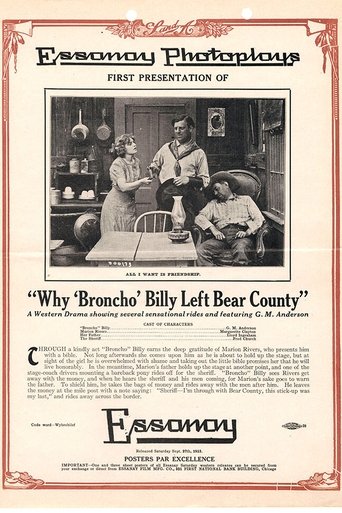
About Marguerite Clayton
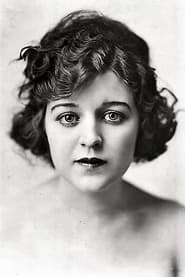
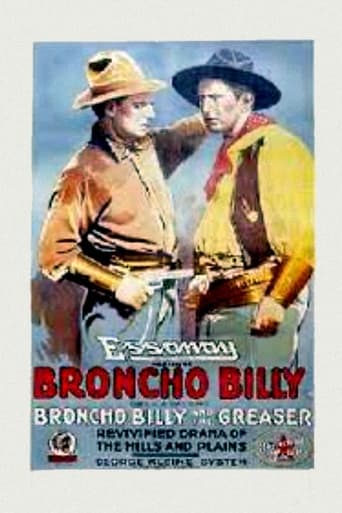
Prolific American actress who rose to prominence during the silent film era, particularly known for her work in westerns. Born in Ogden, Utah in 1891, she began her film career in the early 1910s and quickly became recognizable leading ladies in the western genre. Her most significant period was from 1914-1915 when she starred in numerous Broncho Billy films alongside Gilbert M. 'Broncho Billy' Anderson at Essanay Studios, helping establish the archetypal western heroine. Clayton appeared in over 150 films throughout her career, demonstrating remarkable versatility by transitioning from westerns to dramas and adventure films in the 1920s. Her performance in 'Wolf Blood' (1925) showcased her ability to handle more complex, atmospheric roles as cinema evolved. As the industry transitioned to sound films in the late 1920s, Clayton gradually retired from acting, leaving behind a significant body of work that contributed to the development of early American cinema, particularly the western genre.
The Craft
On Screen
Marguerite Clayton's acting style embodied the expressive, physical performance techniques essential to silent film acting. She utilized exaggerated facial expressions and body language to convey emotions effectively without dialogue. In westerns, she mastered the balance between frontier toughness and feminine vulnerability, often playing strong-willed heroines who could ride, shoot, and hold their own alongside male leads. Her performances were characterized by emotional clarity and the ability to communicate complex feelings through visual means, making her particularly effective in the dramatic moments that defined silent cinema storytelling.
Milestones
- Leading lady in over 30 Broncho Billy western films (1914-1915)
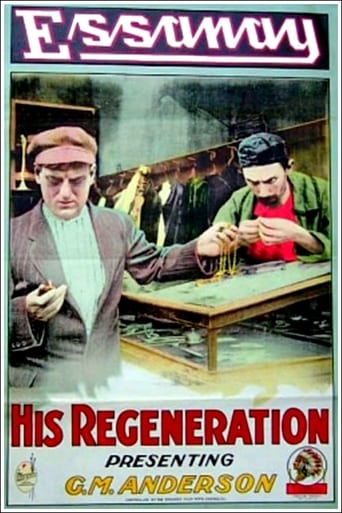
- Starred in the early drama 'His Regeneration' (1915)
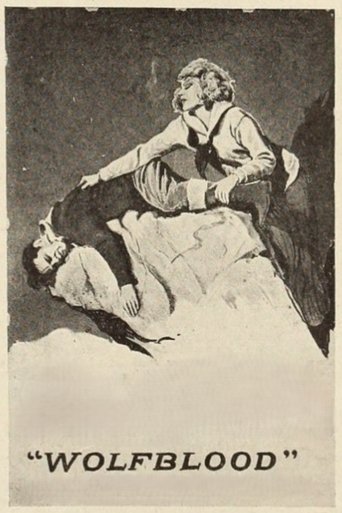
- Appeared in the atmospheric horror-western 'Wolf Blood' (1925)
- Prolific career with over 150 film appearances
- One of the few actresses to achieve stardom in westerns during the silent era
- Worked with director Victor Fleming (whom she later married)
Best Known For
Iconic Roles
Must-See Films
Accolades
Special Recognition
- Pioneer of the Western Film Genre
- Contributor to Early American Cinema Development
Working Relationships
Worked Often With
Studios
Why They Matter
Impact on Culture
Marguerite Clayton played a significant role in shaping the western genre during its formative years in American cinema. As one of the first actresses to achieve stardom specifically in westerns, she helped establish the archetype of the western heroine that would influence the genre for decades. Her work with Broncho Billy Anderson contributed to making westerns. Clayton demonstrated that women could be more than mere damsels in distress in western narratives, often portraying capable, resilient frontier women who could hold their own alongside male protagonists. Her extensive filmography provides valuable documentation of early American filmmaking techniques and the evolution of cinematic storytelling during the silent era.
Lasting Legacy
Marguerite Clayton's legacy lies in her contributions to the foundation of American cinema, particularly the western genre. While her name may not be as recognizable today as some of her contemporaries, her body of work represents an important chapter in film history. The survival of some of her films, particularly 'Wolf Blood,' provides modern audiences with a window into the artistic and technical approaches of silent era filmmaking. She represents the countless talented actors of the silent era who helped build Hollywood from the ground up, their work paving the way for future generations of performers. Her career trajectory also illustrates the challenges many silent film actors faced with the transition to sound, as her prominence diminished just as the industry underwent its most significant technological transformation.
Who They Inspired
Marguerite Clayton influenced subsequent generations of western actresses by demonstrating that women could be integral to the success of western films beyond traditional romantic interests. Her ability to portray strong, capable frontier women helped expand the range of female characters in the genre. While direct documentation of her influence on specific later actresses is limited, her work contributed to the gradual evolution of more complex female roles in western cinema. The professional standards and work ethic she demonstrated during her prolific career helped establish expectations for professionalism in the rapidly growing film industry of the 1910s and 1920s.
Off Screen
Marguerite Clayton married actor and director Wallace Reid in 1913, though the marriage ended in divorce. Later, she entered into a marriage with Victor Fleming, the acclaimed director who would later helm 'Gone with the Wind' and 'The Wizard of Oz.' Despite her prominence in silent films, Clayton largely avoided the Hollywood social scene and maintained a relatively private personal life. She had no children and retired from acting as the sound era began, choosing to live a quieter life away from the film industry's spotlight. Her later years were spent in Los Angeles, where she passed away in 1968 at the age of 77.
Education
Limited information available about her formal education; likely received typical education for women of her era in Utah
Family
- Wallace Reid (1913-1917)
- Victor Fleming (1925-1949)
Did You Know?
- Appeared in over 150 films during her career, making her
- Was one of the few actresses to achieve genuine stardom in western films during the 1910s
- Her birth name was Marguerite Clayton Wurtz, but she dropped 'Wurtz' for her professional career
- Worked extensively with Broncho Billy Anderson, considered the first western film star
- Married director Victor Fleming, who later directed 'Gone with the Wind' and 'The Wizard of Oz'
- Was born in Utah, which may have contributed to her authentic portrayal of western characters
- Her film 'Wolf Blood' (1925) is one of her few surviving works and is considered an early example of horror-western crossover
- Retired from acting just as the transition to sound films was beginning in the late 1920s
- Had no children despite being married twice to prominent figures in the film industry
- Her active years covered the entire golden age of silent western films, from their early development to their peak popularity
In Their Own Words
Limited documented quotes from Marguerite Clayton survive, as was common for silent film actors who primarily expressed themselves through performance rather than interviews
Frequently Asked Questions
Who was Marguerite Clayton?
Prolific American actress during the silent film era, best known for her work in westerns. She starred in over 150 films between 1910 and 1928, gaining particular fame as the leading lady in numerous Broncho Billy western films and helping establish the archetype of the western heroine in early American cinema.
What films is Marguerite Clayton best known for?
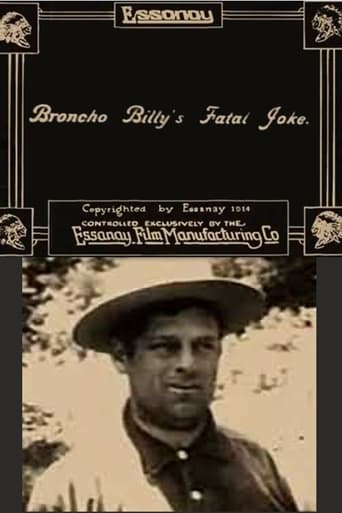
Titles linked here include Broncho Billy's Fatal Joke (1914), His Regeneration (1915).
When was Marguerite Clayton born and when did she die?
Born April 12, 1891; died December 17, 1968.
What awards did Marguerite Clayton win?
Marguerite Clayton did not receive formal awards during her career, as the major award systems like the Academy Awards were established near the end of her active period. Her recognition came through her popularity with audiences and her status as one of the leading actresses in the western genre during the silent era.
What was Marguerite Clayton's acting style?
Marguerite Clayton's acting style was characteristic of the silent era, featuring expressive facial expressions and physical performance techniques essential for conveying emotion without dialogue. She specialized in portraying strong frontier women in westerns, balancing toughness with femininity and demonstrating emotional clarity through visual performance.
Who did Marguerite Clayton marry?
Marguerite Clayton was married twice in her lifetime. Her first marriage was to actor and director Wallace Reid from 1913 to 1917, and her second marriage was to renowned director Victor Fleming from 1925 until his death in 1949. Fleming would later direct classic films like 'Gone with the Wind' and 'The Wizard of Oz.'
Why did Marguerite Clayton's career end?
Marguerite Clayton's career ended around the late 1920s as the film industry transitioned from silent films to talkies. Like many silent film actors, she gradually retired as sound technology changed the requirements for film performance. She chose not to pursue a career in sound films and retired from acting while still relatively young.