

Vera Reynolds
Actor
Born: November 25, 1899 in Richmond, Virginia, USA Died: August 2, 1962 Active: 1921-1935
Films
6 films
About Vera Reynolds
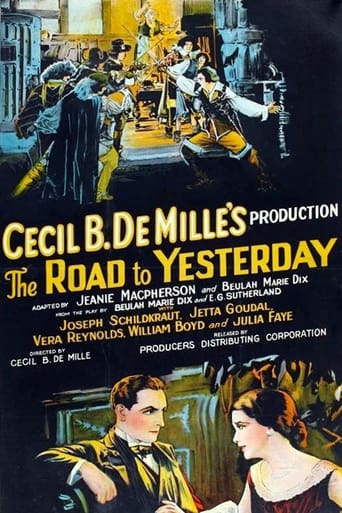
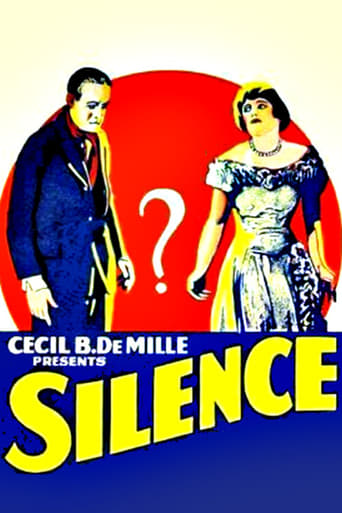
American actress who rose to prominence during the silent film era and successfully transitioned into early talkies. Born in 1899, she began her career as a Mack Sennett bathing beauty before graduating to more substantial roles in feature films. Her breakthrough came in the mid-1920s when she was selected as one of the WAMPAS Baby Stars, a prestigious honor given to promising young actresses. Reynolds worked with several major studios including Paramount and Universal, appearing in both dramatic and comedic roles throughout her decade-long career. She demonstrated remarkable versatility, starring in romantic dramas, mysteries, and light comedies, often playing the sophisticated leading lady. Her career peaked in the late 1920s with notable performances in films like 'The Road to Yesterday' (1925), directed by Cecil B. DeMille, and 'Silence' (1926). As the sound era dawned, Reynolds continued to work, though her roles became increasingly supporting rather than leading, and she retired from acting by the mid-1930s.
The Craft
On Screen
Vera Reynolds was known for her naturalistic acting style that evolved from the exaggerated pantomime of early silent films to a more subtle, realistic approach by the late 1920s. She possessed a delicate screen presence with expressive eyes that could convey complex emotions without dialogue. Her performances were characterized by a graceful, sophisticated demeanor that made her particularly well-suited for romantic and society roles. Reynolds had a remarkable ability to adapt her technique between genres, employing comedic timing in lighter fare while delivering dramatic intensity in serious roles.
Milestones
- Selected as WAMPAS Baby Star in 1926
- Starred in Cecil B. DeMille's 'The Road to Yesterday' (1925)
- Leading role in 'Silence' (1926) opposite Wallace Beery
- Transitioned successfully from silent films to talkies
- Contract player with Paramount Pictures during late 1920s
Best Known For
Iconic Roles
Must-See Films
Accolades
Special Recognition
- WAMPAS Baby Star (1926)
Working Relationships
Worked Often With
Studios
Why They Matter
Impact on Culture
Vera Reynolds represents the archetype of the silent film era actress who successfully navigated the challenging transition to sound pictures. As one of the WAMPAS Baby Stars of 1926, she was part of a select group of actresses deemed to have significant potential for stardom in Hollywood's golden age. Her career trajectory mirrors the broader evolution of the film industry during the 1920s and early 1930s, from the glamour of silent cinema to the technical and artistic demands of early talkies. Reynolds' work with directors like Cecil B. DeMille placed her at the forefront of Hollywood's classical period, contributing to the development of narrative film techniques that would influence generations of filmmakers.
Lasting Legacy
While not among the most remembered stars of her era, Vera Reynolds' career serves as an important example of the typical Hollywood actress of the 1920s who achieved moderate success and adapted to changing times. Her films, particularly her collaborations with major directors, remain valuable artifacts of silent cinema and early sound production. The preservation of her work in film archives ensures that modern scholars and classic film enthusiasts can study her contributions to Hollywood's formative years. Her story illustrates the precarious nature of stardom during the studio system era and the challenges faced by many performers whose careers were ultimately overshadowed by bigger names.
Who They Inspired
Vera Reynolds influenced subsequent generations of character actresses through her demonstrated ability to transition from leading roles to supporting parts as her career evolved. Her naturalistic acting style helped pave the way for more realistic performances in both silent and sound films. While she didn't mentor any specific performers who went on to major stardom, her professional journey provided a template for many actresses who sought longevity in the industry by adapting to changing roles and industry demands. Her work in early sound films contributed to the development of techniques for acting with dialogue that would become standard in Hollywood.
Off Screen
Vera Reynolds led a relatively private personal life despite her Hollywood career. She married twice during her lifetime, first to film director James Flood in 1924, with whom she had one daughter. The marriage ended in divorce in 1932. Her second marriage was to businessman William R. Kane in 1935, which lasted until his death. After retiring from acting, Reynolds largely withdrew from public life and focused on her family. She spent her later years in Los Angeles, occasionally attending film nostalgia events but generally avoiding the Hollywood spotlight.
Education
Limited information available, but likely attended local schools in Richmond, Virginia before moving to Hollywood
Family
- James Flood (1924-1932)
- William R. Kane (1935-1955)
Did You Know?
- Began her career as one of Mack Sennett's famous bathing beauties in 1921
- Was one of 13 actresses selected as WAMPAS Baby Stars in 1926, alongside future stars like Joan Crawford and Fay Wray
- Stood 5'3" tall and was known for her distinctive dark hair and expressive brown eyes
- Her first husband, James Flood, was a prominent director who directed her in several films
- Made the transition to sound films without difficulty, unlike many of her silent era contemporaries
- Appeared in over 40 films during her 14-year career, though many are now lost
- Retired from acting completely by 1935, choosing family over continued film work
- Was frequently cast as 'the other woman' or sophisticated society types in her later roles
- Her film 'The Road to Yesterday' was one of Cecil B. DeMille's earliest experiments with flashback narrative structure
- Died relatively young at age 62 from natural causes in Los Angeles
In Their Own Words
The camera doesn't lie, but it can be very kind if you know how to treat it right.
Silent films taught us everything about emotion without words. Sound just gave us another tool.
Being a WAMPAS Baby Star was wonderful, but it was the work afterward that really mattered.
Frequently Asked Questions
Who was Vera Reynolds?
American actress who worked in Hollywood during the silent film era and early sound period, best known for her roles in films like 'The Road to Yesterday' (1925) and 'Silence' (1926). She was selected as a WAMPAS Baby Star in 1926 and worked with major directors including Cecil B. DeMille.
What films is Vera Reynolds best known for?
Titles linked here include The Road to Yesterday (1925), Silence (1926).
When was Vera Reynolds born and when did she die?
Born November 25, 1899; died August 2, 1962.
What awards did Vera Reynolds win?
While Vera Reynolds didn't receive major industry awards, she was honored as one of the WAMPAS Baby Stars in 1926, a prestigious recognition given to promising young actresses in Hollywood. This honor was shared that year with future legends like Joan Crawford and Fay Wray.
What was Vera Reynolds's acting style?
Vera Reynolds was known for her naturalistic acting style that evolved from silent film pantomime to more subtle, realistic performances. She had a graceful, sophisticated screen presence with expressive eyes, and excelled at both dramatic and comedic roles, particularly as society women and romantic leads.
Did Vera Reynolds successfully transition to sound films?
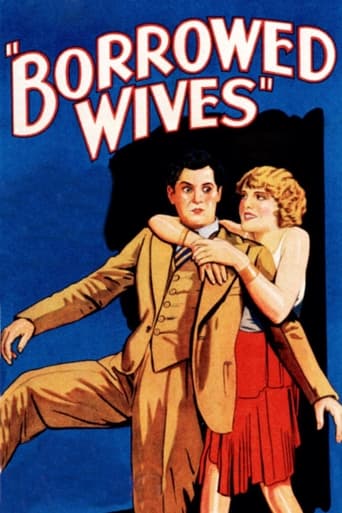
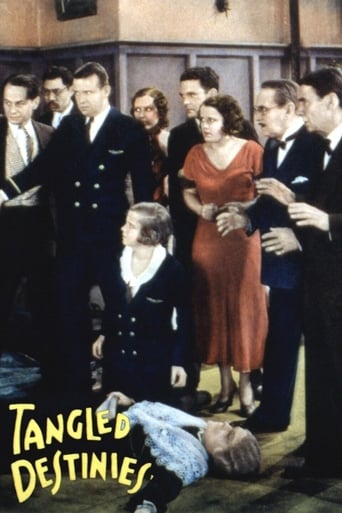
Yes, unlike many silent film stars, Vera Reynolds successfully made the transition to talkies, appearing in sound films throughout the early 1930s including 'Borrowed Wives' (1930) and 'Tangled Destinies' (1932), though her roles gradually shifted from leading to supporting parts.
Was Vera Reynolds married?
Yes, Vera Reynolds was married twice. Her first marriage was to director James Flood from 1924 to 1932, with whom she had one daughter. Her second marriage was to businessman William R. Kane from 1935 until his death in 1955.