

Tangled Destinies
"Soon some of the passengers are found murdered."
Keys: Space play/pause · ←/→ 10s · F fullscreen · M mute · </> speed
About this film
An airliner makes a forced landing at night in the desert. The passengers and crew take refuge in a nearby deserted house. Soon some of the passengers are found murdered, and one of the passengers reveals himself to be a detective who was guarding one of the murdered passengers, who was carrying a bag of diamonds--which is now missing.
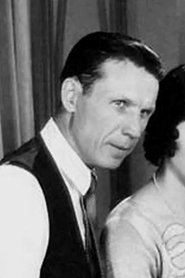
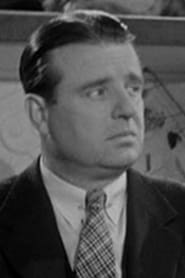
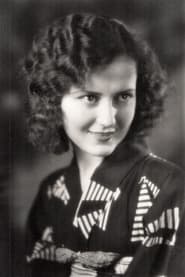
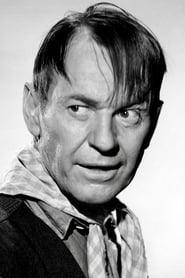
Cast & crew
More films like this
More Crime films
View all →


More from Frank R. Strayer
View all →

More about this film
About the production
Release dateOctober 15, 1932
ProductionMajestic Pictures
Filmed inCalifornia, USA
Tangled Destinies was produced as a B-mystery during the early sound era, typical of the quick productions that filled out double bills during the Great Depression. The film was shot on a modest budget, utilizing desert locations and minimal sets to create the isolated atmosphere. The production likely took advantage of the growing popularity of aviation-themed stories following Charles Lindbergh's transatlantic flight and the public's fascination with air travel.
Themes
Isolation and vulnerabilityDeception and hidden identitiesGreed and the corrupting influence of wealthJustice and order restoredTechnology and modernity
Themes & topics
airplanedesertdeserted housemurderdetectivediamondsmysterysuspensewhodunitforced landinghidden identitytheft
Historical background
Exhibitors around 1932 slotted Tangled Destinies into mixed bills where shorts, newsreels, and features shared the same program.
Why this film matters
Surviving prints of Tangled Destinies document how 1932-era filmmakers solved story problems with limited means.
Making of
Tangled Destinies was produced by Majestic Pictures, a studio known for making low-budget films that filled out theater double bills during the early 1930s. The production team likely worked with limited resources, creating the desert atmosphere through location shooting in California rather than more expensive studio sets. The film's compact runtime of 65 minutes was typical of B-movies of the era, designed to provide a complete mystery experience without unnecessary padding. The cast was comprised of character actors and former silent film stars who had successfully transitioned to talkies. Director Frank R. Strayer brought his experience from numerous mystery films to this project, understanding the pacing and visual storytelling needed to maintain audience interest in a confined setting.
What critics said
Press files from 1932 mention Tangled Destinies in roundup columns of what played that week.
Did you know?
- Director Frank R. Strayer was prolific during this period, directing over 100 films in his career, many of them mysteries and crime pictures.
- The film capitalized on the 'locked room mystery' genre, adapting it to the unique setting of a deserted house in the desert.
- Aviation was a relatively new and exciting element in films of 1932, making the opening sequence particularly novel for audiences.
- Gene Morgan, who plays the detective, was a character actor who appeared in over 200 films between 1929 and 1954.
- The film was released during the height of the Great Depression, when audiences sought escapist entertainment in the form of mysteries.
- Doris Hill, one of the stars, was a popular actress of the late 1920s and early 1930s who retired from acting in 1935.
- The deserted house setting was a common trope in early mystery films, providing an isolated environment where the killer could strike.
- Glenn Tryon, who appears in the film, was also a director and had been a popular leading man in silent films.
Visual style
The cinematography of Tangled Destinies, while not extensively documented, would have employed techniques typical of early 1930s B-movies. The desert scenes likely utilized natural lighting to create atmosphere and reduce production costs. The deserted house setting would have been shot using chiaroscuro lighting techniques to enhance the mystery and suspense, with deep shadows creating hiding places for potential killers. The camera work would have been relatively static due to the bulky sound equipment of the era, with careful composition within each frame to maintain visual interest. The film's visual style would have prioritized clarity and storytelling over artistic experimentation, ensuring that audiences could follow the mystery's progression despite the technical limitations of early sound filming.
Innovations
Tangled Destinies does not appear to have introduced significant technical innovations, but it represents the solid craftsmanship typical of the early sound era. The film demonstrates the effective use of sound design to create atmosphere and suspense, a skill that filmmakers were still developing during this transitional period. The production likely employed portable sound recording equipment for the desert scenes, which was still a relatively new capability in 1932. The film's efficient 65-minute runtime the industry's growing understanding of pacing for sound features. The aviation sequences, while modest, required coordination between the film crew and aircraft operations, reflecting the increasing technical sophistication of movie production even on modest budgets.
Music
The soundtrack for Tangled Destinies would have been typical of early 1930s productions, featuring a musical score that underscored the suspenseful moments without overwhelming the dialogue. As a low-budget production, the film likely used stock music or a small original score composed specifically for the picture. Sound design would have emphasized the isolation of the desert setting through ambient sounds and the careful placement of off-screen noises to build tension. The dialogue recording would have used the primitive microphone technology of the era, requiring actors to project clearly and remain relatively stationary during conversations. Sound effects for the airplane and murder scenes would have been created in post-production using the limited audio libraries available to studios at the time.
Famous quotes
In this desert, we're all trapped together - murderer and victim alike.
The diamonds are gone, and one of you is a killer. We're not leaving until I find out who.
When a plane falls from the sky, it brings down more than just metal and men - it brings down secrets.
Memorable scenes
- The tense opening sequence showing the airplane's forced landing in the dark desert, establishing the isolated setting and immediate danger
- The discovery of the first murder victim in the deserted house, which transforms the situation from survival to homicide investigation
- The dramatic revelation when one passenger exposes himself as the detective guarding the diamonds, changing the dynamic among the survivors
What audiences thought
Audience reception for Tangled Destinies in 1932 would have been measured primarily by its ability to entertain as part of a double bill. As a mystery thriller, it likely satisfied audiences looking for escapist entertainment during the Depression. The film's compact runtime and straightforward plot would have been appreciated by viewers seeking immediate gratification rather than complex narratives. The aviation element and desert setting provided visual novelty that distinguished it from other mysteries of the period. While specific audience reactions are not documented, the film's existence suggests it found sufficient viewership to justify its production. Modern audiences who discover the film through classic film channels typically appreciate it as a time capsule of early 1930s mystery filmmaking, enjoying its period atmosphere and straightforward storytelling approach.
Film connections
Influenced by
- The 'locked room mystery' tradition of detective fiction
- Early aviation films like 'Wings' (1927)
- Universal's horror mystery films of the early 1930s
- The works of mystery writers like Agatha Christie and Edgar Wallace
This film influenced
- Later desert mystery films
- Aviation-themed thrillers of the 1930s
- B-mystery productions throughout the 1930s and 1940s
Film restoration
Tangled Destinies is believed to be in the public domain, though its preservation status is not extensively documented. As a low-budget film from 1932, it may exist only in incomplete or deteriorated film elements. Many films from this era, particularly B-movies, have been lost due to the unstable nitrate film stock used at the time and the lack of systematic preservation efforts. The film's survival would depend on whether any 16mm copies were made for television distribution in the 1950s or if archives have preserved original elements.
Where to watch
- Internet Archive
- Public domain film websites
- Classic film streaming platforms
- YouTube (public domain uploads)