
Films
7 films

About Ethel Wales
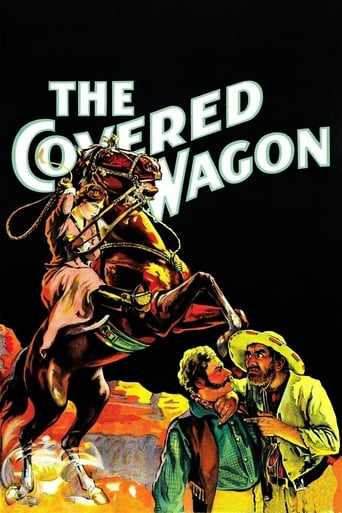
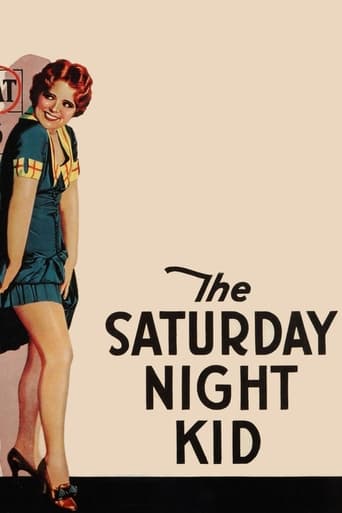
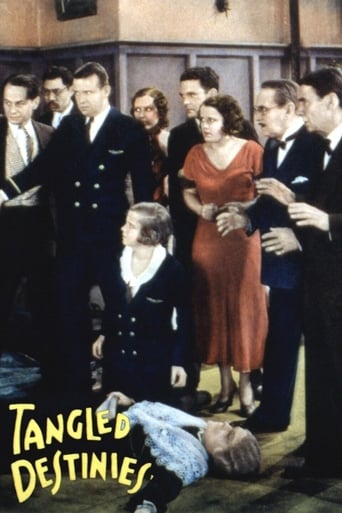
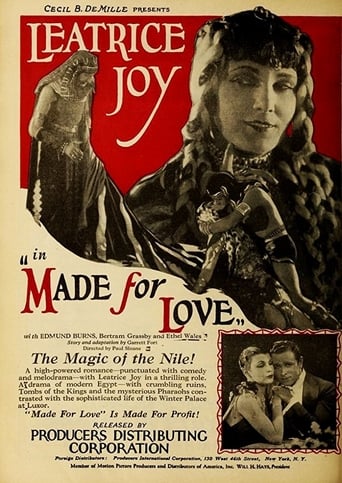
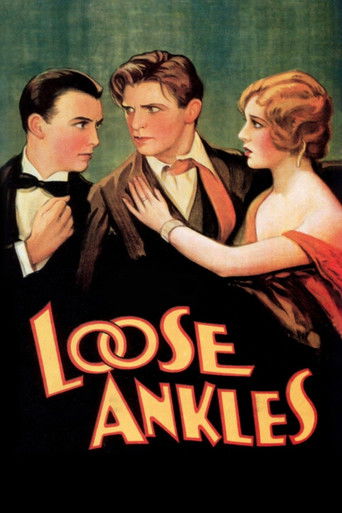
American character actress: screen career flourished during the silent era and the first years of sound film. Active primarily from the early 1920s through the early 1930s, she became a familiar supporting presence in major studio productions, often appearing in domestic, frontier, or community-based roles that helped ground larger dramatic or comedic narratives. She is Ethel Wales appeared in a number of notable films of the period, including Miss Lulu Bett (1921), The Covered Wagon (1923), Made for Love (1926), The Saturday Night Kid (1929), and Loose Ankles (1930), which reflect the transition from prestige silent features to early talkies. Like many durable supporting players of the era, Wales was valued for reliability, screen intelligence, and the ability to add texture to scenes without overpowering the stars. Her work represents the essential contribution of character actors to classical Hollywood storytelling, especially in ensemble films where social realism and comic timing were both important. Available documentation on her private life is limited, and much of her surviving legacy rests in her film appearances rather than in widely publicized off-screen biography. She remains of interest to film historians as part of the broad network of seasoned supporting performers who helped define the look and rhythm of silent and early sound cinema.
The Craft
On Screen
Ethel Wales appears to have specialized in character parts rather than star-leading roles, and her work is consistent with the practical, understated style favored by reliable supporting actors of the silent and early sound eras. In silent films, performers in her position typically relied on clear physical expression, readable facial reactions, and precise business within the frame to communicate character quickly and effectively. Her surviving filmography suggests she was especially effective in ensemble scenes that required realism, warmth, or lightly comic shading. Rather than flamboyant star turn technique, her value lay in naturalistic presence, timing, and the ability to support a scene without drawing undue attention away from the principal players.
Milestones
- Appeared in the critically important silent feature Miss Lulu Bett (1921), an adaptation of Zona Gale's Pulitzer Prize-winning novel.
- Worked in The Covered Wagon (1923), one of the landmark Western epics of the silent era.
- Maintained a steady presence through the mid-1920s in films such as Made for Love (1926).
- Successfully transitioned into the early sound era with performances in The Saturday Night Kid (1929) and Loose Ankles (1930).
- Built a career as a dependable supporting character actress in studio-era productions during a period of major technological change in Hollywood.
Best Known For
Iconic Roles
Must-See Films
Working Relationships
Worked Often With
Studios
Why They Matter
Impact on Culture
Ethel Wales's cultural impact lies less in stardom than in the indispensable function of the character actor in classical Hollywood. Performers like Wales gave silent and early sound films a sense of lived-in social reality, populating stories with believable mothers, neighbors, housewives, and community figures who made the fictional world feel complete. In films such as Miss Lulu Bett and The Covered Wagon, her kind of supporting work helped bridge broad narrative spectacle with everyday human detail, a hallmark of the best studio-era filmmaking. Her career also illustrates how many women found professional longevity in supporting roles even when they were not marketed as marquee names. For historians, her filmography is valuable evidence of the densely layered ensemble casting that sustained American cinema's golden-age storytelling.
Lasting Legacy
Ethel Wales's legacy is that of a seasoned supporting actress whose work belongs to the infrastructure of classic Hollywood. While she did not leave behind a famous star persona or a large body of publicity, she contributed to several important productions during one of cinema's most transformative decades. Her presence in both silent films and early talkies makes her a useful example of the actors who successfully navigated the industry's technological transition. Today, her name endures mainly through credits, archives, and database listings, where she is remembered by scholars and enthusiasts who value the many skilled performers who shaped the texture of early American film. In that sense, her legacy is historical and preservational: she stands for the countless reliable actors whose craft supported the artistic ambitions of the era.
Who They Inspired
Ethel Wales likely influenced other performers indirectly by exemplifying the value of disciplined, unobtrusive supporting acting in studio-era filmmaking. Character actors of her type helped establish the standard that a good ensemble player should be instantly legible, emotionally precise, and adaptable to both comedy and drama. Her career also demonstrates to later generations how durable a screen career could be when built on versatility rather than celebrity. Although she is not known as a major mentor figure, the working methods associated with actresses like Wales helped define expectations for supporting roles in both silent cinema and early talkies.
Off Screen
Publicly available information about Ethel Wales's personal life is scarce, and standard reference sources do not consistently document her birth family, marriages, or private relationships. She appears to have kept a low profile outside of her screen work, which was not unusual for character performers of the silent and early sound periods. Because of that limited documentation, her off-screen life has not been widely reconstructed by later biographers, and no well-established details about spouses or children are reliably available from the most commonly cited film references. Her surviving legacy is therefore primarily professional, preserved through film credits rather than extensive personal records.
Did You Know?
- She worked during the crucial transition from silent film to sound film.
- Her filmography includes both literary adaptation and western epic, showing unusual range for a character actress.
- Miss Lulu Bett (1921) is one of her best-documented early credits.
- The Covered Wagon (1923) connected her to one of the major prestige westerns of the silent era.
- Her career extended into 1930, meaning she was active during the first wave of Hollywood talkies.
- Like many supporting performers of the era, she is better documented through film credits than through detailed personal biographies.
- She is sometimes encountered in classic film references as a reliable ensemble player rather than a star.
- Her screen work reflects the importance of character actors in maintaining continuity across changing studio styles and technologies.
Frequently Asked Questions
Who was Ethel Wales?
American character actress active in silent films and early talkies, best known for supporting roles in studio-era productions from the 1920s and early 1930s. She was not a marquee star, but she was a dependable screen presence who contributed to several notable films of the period.
What films is Ethel Wales best known for?
Titles linked here include Miss Lulu Bett (1921), The Covered Wagon (1923).
When was Ethel Wales born and when did she die?
Her exact birth and death dates are not reliably documented in the standard reference sources consulted here. Because of that, both fields are best treated as unknown unless a more specialized archival source provides verified dates.
What awards did Ethel Wales win?
No major awards or nominations are readily documented for Ethel Wales. This is not unusual for many supporting actors of the silent and early studio eras, whose contributions were often recognized through employment and screen visibility rather than formal awards.
What was Ethel Wales's acting style?
She appears to have been an understated character performer whose strengths were natural screen presence, clear expression, and dependable supporting work. In silent films, that would have meant readable physical acting, while in early talkies it likely translated into smooth, grounded ensemble performance.
What is Ethel Wales's legacy in film history?
Her legacy is that of a classic Hollywood supporting actress who helped make films feel lived-in and believable. She represents the many skilled character players whose work sustained the quality and realism of studio-era cinema, even when they were not household names.