
Films
2 films
About Stanhope Wheatcroft
American actor who worked during the silent film era, primarily in the 1910s and early 1920s. His career, though relatively brief, spanned the transitional period when cinema was evolving from short subjects to feature-length productions. Wheatcroft appeared in various roles that showcased the dramatic acting style typical of the silent period, where performers relied heavily on facial expressions and body language to convey emotion. His filmography includes adaptations of popular literature and comedies that reflected the entertainment preferences of early 20th-century audiences. Like many actors of his generation, Wheatcroft's career was likely impacted by the transition to sound films in the late 1920s, a period that saw many silent era performers struggle to adapt to the new medium. His work represents the contributions of the countless supporting actors who formed the backbone of early Hollywood's studio system.
The Craft
On Screen
Employed the exaggerated gestures and dramatic facial expressions characteristic of silent film acting, relying on physical performance to convey emotions and narrative to audiences without dialogue
Milestones
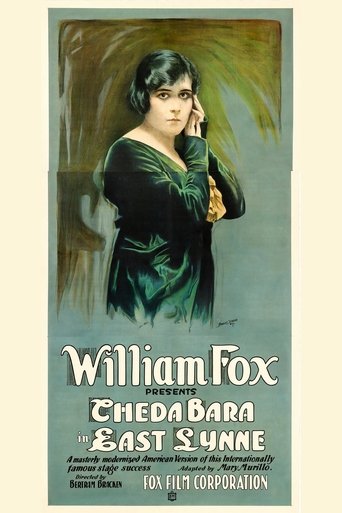
- Appeared in 'East Lynne' (1916)
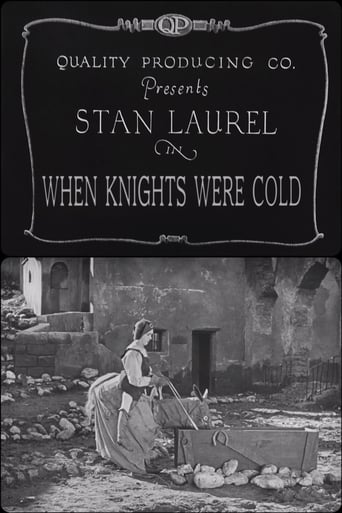
- Starred in comedy 'When Knights Were Cold' (1923)
- Worked during the golden age of silent cinema
Best Known For
Iconic Roles
Must-See Films
Why They Matter
Impact on Culture
Stanhope Wheatcroft represents the countless working actors who formed the foundation of early Hollywood's studio system during the silent era. While not a major star, his contributions to films like 'East Lynne' and 'When Knights Were Cold' helped create the cinematic landscape that would evolve into modern Hollywood. His career exemplifies the typical trajectory of many silent era actors who worked steadily but briefly during a transformative period in film history.
Lasting Legacy
As with many supporting actors from the silent era, Stanhope Wheatcroft's legacy exists primarily through the surviving films in which he appeared. These works serve as historical artifacts that preserve the acting techniques and storytelling methods of early cinema, providing insight into the evolution of film performance and production.
Who They Inspired
While specific influences on other performers are difficult to trace for actors of Wheatcroft's stature, his work contributed to the collective body of silent film performances that influenced subsequent generations of actors studying early cinema techniques.
Off Screen
Limited historical records exist regarding Stanhope Wheatcroft's personal life, which was common for many supporting actors of the silent era who did not achieve major star status.
Did You Know?
- Appeared in 'East Lynne,' which was based on the popular 1861 novel by Ellen Wood
- Worked during the peak years of silent film production before the transition to sound
- 'When Knights Were Cold' was a comedy that parodied medieval adventure films
- Many silent era actors like Wheatcroft had their careers cut short by the advent of sound
- Silent films required actors to master pantomime and exaggerated expression techniques
- The 1916-1923 period was a time of rapid technical advancement in filmmaking
Frequently Asked Questions
Who was Stanhope Wheatcroft?
American with credits in this catalog. He was one of many supporting actors who contributed to early Hollywood cinema during its formative years.
What films is Stanhope Wheatcroft best known for?
Titles linked here include East Lynne (1916), When Knights Were Cold (1923).
When was Stanhope Wheatcroft active in films?
Stanhope Wheatcroft's known film active years covered from 1916 to 1923, placing him squarely in the silent film era just before the transition to sound pictures in the late 1920s.
What was Stanhope Wheatcroft's acting style?
Like most silent era actors, Wheatcroft employed the dramatic acting style of the period, using exaggerated gestures, facial expressions, and body language to convey emotions and story elements to audiences without the benefit of synchronized dialogue.
Why is there limited information about Stanhope Wheatcroft?
Limited historical records exist for many supporting actors from the silent era who did not achieve major star status. This was common for the period, as detailed documentation was primarily maintained for the biggest stars of the day.