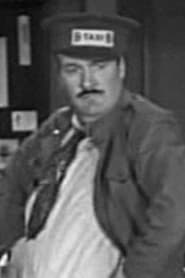
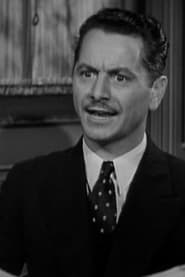
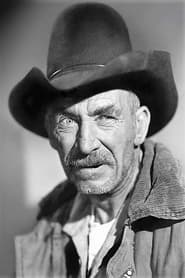
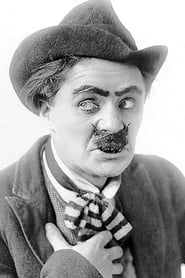
Shanghaied Lovers
"Caught between sailor and attracted"
Keys: Space play/pause · ←/→ 10s · F fullscreen · M mute · </> speed
About this film
Shanghaied on his wedding day, Harry struggles to cope with a cruel captain while fending off a sailor who seems attracted to him.
Cast & crew
More films like this

More Comedy films
View all →







More from Roy Del Ruth
View all →
More about this film
About the production
Release dateJune 1, 1924
ProductionMack Sennett Comedies
Filmed inLos Angeles, California, Mack Sennett Studios
This was one of Harry Langdon's early short comedies for Mack Sennett, produced during the peak of the silent comedy era. The film utilized typical Sennett production methods with rapid shooting schedules and emphasis on physical comedy. The maritime setting was likely created using studio sets and possibly location shooting near the California coast.
Themes
Innocence vs. CorruptionLove conquering adversityClass differencesJourney and transformationComedy in adversity
Themes & topics
Historical background
Made in 1924, Shanghaied Lovers reflects production norms of late silent cinema and the transition toward sound—shorter runtimes, regional audiences, and limited preservation infrastructure.
Why this film matters
Historians reference Shanghaied Lovers (1924) when discussing film directed by Roy Del Ruth.
Making of
The production followed Mack Sennett's efficient assembly-line approach to comedy filmmaking, with scripts often being developed during shooting. Harry Langdon, still developing his screen persona, worked closely with director Roy Del Ruth to refine his character's unique blend of innocence and physical comedy. The maritime scenes were challenging to film, requiring the construction of detailed ship sets that could withstand the rigors of slapstick action. Langdon's deliberate, slow-paced comedy style contrasted with the faster pacing typical of Sennett comedies, creating a distinctive rhythm that would become his trademark. The film's success helped establish Langdon as a major comedy star, leading to more prestigious opportunities and eventually his move to feature films.
What critics said
Modern write-ups on Shanghaied Lovers (1924) tend to focus on preservation status, stylistic choices, and placement within director or studio filmographies.
Did you know?
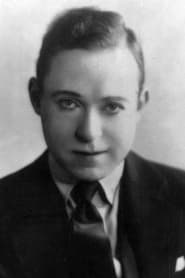
- This was one of Harry Langdon's earliest starring vehicles for Mack Sennett, helping establish his 'little elf' character persona
- The film was released during the height of the silent comedy boom, competing with works from Chaplin, Keaton, and Lloyd
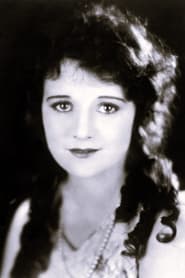
- Alice Day, who plays the fiancée, was the sister of famous silent star Marceline Day and a regular Sennett player
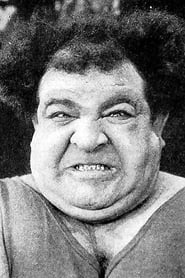
- Kalla Pasha, who portrays the cruel captain, was a former professional wrestler turned actor known for his imposing presence
- The theme of being shanghaied was a common trope in silent comedies, allowing for physical humor and exotic settings
- Director Roy Del Ruth would later become a prominent sound film director, working with major stars like James Cagney
- The film's title plays on the double meaning of 'shanghaied' - both forced service and romantic complications
- Harry Langdon's character was known for his childlike innocence, contrasting with the rough maritime environment
- The film was part of a series of two-reel comedies Sennett produced to showcase new comedy talent
- The amorous sailor character was typical of the gender-bending humor occasionally found in silent comedies
Visual style
The cinematography by Sennett regulars utilized the standard techniques of silent comedy production, with clear, well-lit compositions designed to highlight physical action. The maritime sets required careful lighting to create the illusion of being at sea while filming on studio stages. Camera movement was minimal, following the typical static approach of early comedy filming that allowed the action to play out in full frame. The visual style emphasized clarity over artistry, ensuring that every gag and facial expression was visible to the audience. The film benefited from Sennett's experience in creating visually interesting sets that enhanced the comedy while remaining practical for stunt work.
Innovations
The film employed standard technical practices of the Sennett studio, with no significant innovations in cinematography or editing. The construction of convincing maritime sets demonstrated the studio's expertise in creating varied environments within the confines of studio production. The coordination of physical comedy sequences required precise timing between performers and camera, showcasing the technical skill developed in comedy production. The film's efficient production methods reflected the highly organized approach of major comedy studios of the era. While not technically, the film demonstrated the polished craftsmanship typical of Sennett productions.
Music
As a silent film, Shanghaied Lovers would have been accompanied by live musical performance in theaters, typically consisting of piano or organ accompaniment. The score would have been compiled from standard photoplay music libraries, with selections chosen to match the mood of each scene. Maritime themes would have been emphasized with nautical musical motifs, while romantic scenes would have used more lyrical compositions. The physical comedy sequences would have been accompanied by lively, rhythmic music to enhance the timing and impact of the gags. No original composed score was created specifically for this film, following the common practice of the era for short comedies.
Famous quotes
(Silent film - no dialogue quotes available)
Memorable scenes
- Harry's abduction on his wedding day
- The chaotic scenes aboard the ship with the pursuing sailor
- Harry's attempts to adapt to maritime life while maintaining his composure
- The final reunion sequence with his fiancée
What audiences thought
The film was popular with contemporary audiences who appreciated Harry Langdon's gentle comedy style and the familiar Sennett formula of action and romance. Theater programmers valued the reliable two-reel format that fit well into varied theatrical programs. Audience response helped establish Langdon as a rising star in the comedy field, leading to increased demand for his films. The combination of romance, adventure, and comedy appealed to the broad audience base typical of silent film era theaters. Modern audiences discovering Langdon's work through film festivals and archives often find his deliberate pacing and character-focused humor distinctive from other silent comedians.
Film connections
Influenced by
- Mack Sennett comedy style
- Charlie Chaplin's tramp character
- Buster Keaton's stone-faced comedy
- Harold Lloyd's everyman persona
This film influenced
- Harry Langdon's subsequent feature films
- Other Sennett comedies of the mid-1920s
- Maritime comedy films of the silent era
Film restoration
The film survives in archives and is preserved as part of Harry Langdon's filmography. While not widely distributed, copies exist in film archives and have been included in retrospective collections of silent comedy. The preservation status reflects the relative importance of Langdon's work in silent cinema history.
Where to watch
- Film archives with silent comedy collections
- Specialized silent film streaming services
- Occasional screenings at film festivals and revival houses
- Public domain collections if available