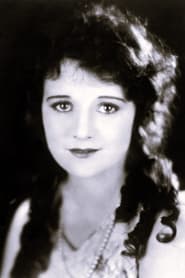
Alice Day
Actor
Born: November 7, 1905 in Colorado Springs, Colorado, USA Died: May 25, 1995 Active: 1924-1932 Birth Name: Alice Maryline Day
Films
7 films
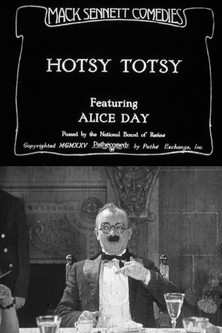


About Alice Day
Alice Maryline Day — American actress who rose to prominence during the silent film era as one of Mack Sennett's Bathing Beauties. Born in Colorado Springs, she began her career in Hollywood as a teenager, quickly becoming a popular comedienne in comedy shorts throughout the mid-1920s. Day appeared in over 60 films between 1924 and 1929, primarily working for Hal Roach Studios and Mack Sennett Comedies. She frequently starred alongside comedy legends like Charley Chase, Harry Langdon, and Stan Laurel, establishing herself as a reliable comic actress with a natural screen presence. Her career peaked during the silent era, but like many silent film actors, she struggled to transition to sound films and her career declined in the early 1930s. After retiring from acting, she lived a relatively private life away from the Hollywood spotlight. Her contributions to silent comedy, while not widely remembered today, represent an important part of Hollywood's golden age of comedy shorts.
The Craft
On Screen
Alice Day was known for her natural comedic timing and expressive facial features that translated well to silent film. She possessed a wholesome girl-next-door quality that made her relatable to audiences, while also demonstrating versatility in both slapstick and more subtle comic situations. Her acting style was characterized by energetic performances, physical comedy skills, and the ability to play both innocent and slightly mischievous characters. Day's screen presence was enhanced by her photogenic appearance, which made her particularly popular in the Bathing Beauty sequences.
Milestones
- Became one of Mack Sennett's famous Bathing Beauties in the mid-1920s
- Starred in numerous Hal Roach comedy shorts alongside Charley Chase
- Appeared in over 60 films during her silent era career
- Worked with comedy legends including Harry Langdon and Stan Laurel
- Successfully transitioned from extra to leading lady in comedy shorts
Best Known For
Iconic Roles
Must-See Films
Working Relationships
Worked Often With
Studios
Why They Matter
Impact on Culture
Alice Day's contribution to silent film comedy represents the important role of female supporting players in the golden age of Hollywood comedy shorts. As one of Sennett's Bathing Beauties, she was part of a cultural phenomenon that helped establish the archetype of the Hollywood beauty and influenced how women were presented in early cinema. Her work in comedy shorts helped pave the way for future generations of female comedians in film, demonstrating that women could be both attractive and funny on screen. While not a major star, her consistent presence in numerous popular shorts of the era made her a familiar face to moviegoers of the 1920s.
Lasting Legacy
Alice Day's legacy lies primarily in her contribution to the rich tradition of silent comedy shorts that dominated American cinema in the 1920s. Though largely forgotten by modern audiences, her body of work survives as part of the historical record of Hollywood's golden age. Her films serve as valuable examples of the comedy techniques and visual storytelling methods that defined the silent era. As part of the Mack Sennett and Hal Roach comedy factories, she represents the hundreds of talented performers who contributed to the entertainment landscape of their time, even if they didn't achieve lasting fame.
Who They Inspired
While Alice Day did not achieve the level of influence that would make her a household name, her work alongside comedy pioneers like Charley Chase and Stan Laurel contributed to the development of American film comedy. Her performances helped establish patterns for female comic supporting roles that would continue throughout the sound era. The natural comic timing she demonstrated in silent shorts influenced how actresses approached comedy in subsequent decades, even as the medium evolved from silent to sound films.
Off Screen
Alice Day was born into a family that would produce another notable actress - her sister Martha Sleeper also became a film actress. She married director and writer Aubrey Scotto in 1928, with whom she had two children. After her film career ended, Day largely withdrew from public life and focused on her family. Unlike many of her contemporaries, she did not seek to remain in the entertainment industry after her acting career concluded. She spent her later years in California, maintaining a low profile until her death in 1995 at the age of 89.
Education
Limited information available, likely educated in Colorado Springs before moving to Hollywood
Family
- Aubrey Scotto (1928-1959, his death)
Did You Know?
- She was the sister of actress Martha Sleeper, who also had a successful film career
- Day was one of the original Mack Sennett Bathing Beauties, a group that helped define Hollywood glamour in the 1920s
- She married director Aubrey Scotto, who directed several of her later films
- Like many silent film actors, her career declined significantly with the advent of sound pictures
- She appeared in both comedy shorts and feature films, though she was most successful in shorts
- Day worked with both Hal Roach and Mack Sennett, two of the most important comedy producers of the silent era
- She was often cast as the romantic interest or comic foil in comedy shorts
- Her film active years covered only about 8 years, from 1924 to 1932
- She retired from acting before reaching the age of 30
- Many of her films are now considered lost, a common fate for silent era productions
In Their Own Words
Being a Bathing Beauty wasn't just about looking pretty - you had to have timing and be able to take a pie in the face with a smile.
In silent pictures, your face had to do all the talking. Every expression counted.
Frequently Asked Questions
Who was Alice Day?
American actress who worked primarily in silent film comedies during the 1920s. She was best known as one of Mack Sennett's Bathing Beauties and appeared in numerous comedy shorts for Hal Roach Studios, often working alongside comedy legends like Charley Chase and Harry Langdon.
What films is Alice Day best known for?
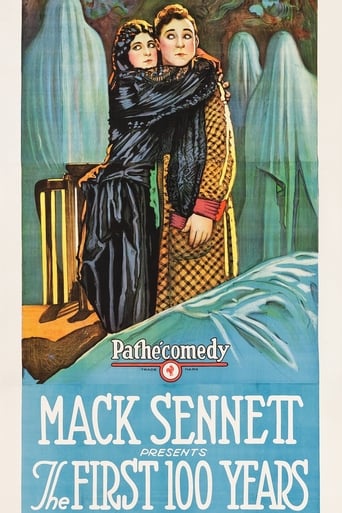
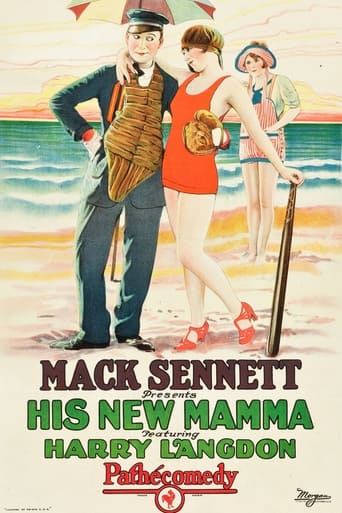
Titles linked here include The First 100 Years (1924), His New Mamma (1924).
When was Alice Day born and when did she die?
Born November 7, 1905; died May 25, 1995.
What awards did Alice Day win?
Alice Day did not receive any major awards during her career. Like many supporting actors in silent films, her contributions were recognized through her consistent work and popularity with audiences rather than through formal awards.
What was Alice Day's acting style?
Alice Day was known for her natural comedic timing and expressive facial features perfect for silent film. She specialized in physical comedy and had a wholesome girl-next-door quality that made her popular with audiences. Her style combined slapstick elements with more subtle comic situations.
Was Alice Day related to any other actors?
Yes, Alice Day was the sister of actress Martha Sleeper, who also had a successful career in films during the same era. Both sisters worked in Hollywood during the silent and early sound periods.
Why did Alice Day's career end?
Like many silent film actors, Alice Day's career declined with the advent of sound pictures in the late 1920s and early 1930s. She made her last film in 1932 and retired from acting, choosing to focus on her family life with her husband, director Aubrey Scotto.