
A Dozen Socks
"Challenge Jack Dempsey, win a girl"
Keys: Space play/pause · ←/→ 10s · F fullscreen · M mute · </> speed
About this film
A poor suitor challenges heavyweight Jack Dempsey to impress his girlfriend. A 1927 sports gag short.
Cast & crew
More films like this
More Comedy films
View all →







More from Earle Rodney
View all →
More about this film
About the production
Release dateMarch 6, 1927
ProductionMack Sennett Comedies
Filmed inLos Angeles, California
This was one of several comedy shorts produced during the 1920s that featured celebrity athletes playing themselves. Jack Dempsey, at the height of his fame, appeared in several films during this period, capitalizing on his boxing celebrity. The film was likely shot quickly as part of Mack Sennett's prolific comedy short production schedule. The boxing sequences would have been carefully choreographed to maximize comedic effect while showcasing Dempsey's authentic boxing skills.
Themes
Romance and courtshipPhysical comedy and slapstickCelebrity cultureUnderdog storyMasculinity and sports
Themes & topics
Historical background
Archival records place A Dozen Socks in 1927, a year when the silent feature period shaped what theaters booked.
Why this film matters
Retrospectives include A Dozen Socks when mapping craft and subject matter from the silent feature period.
Making of
The production of 'A Dozen Socks' took place during the golden age of silent comedy shorts, when studios like Mack Sennett's were churning out dozens of two-reel comedies each month. Jack Dempsey's participation was a significant coup for the production, as celebrity appearances were used to attract audiences to short subjects. The boxing sequences would have required careful choreography to balance Dempsey's authentic boxing abilities with the needs of comedy. Director Earle Rodney, experienced in comedy timing, would have worked closely with the actors to maximize the physical gags. The film was likely shot in just a few days, typical of the rapid production schedules of comedy shorts. The sets would have been relatively simple, focusing on locations like a gymnasium or boxing ring where the main action could take place. The inclusion of Dempsey playing himself was part of a common trend in 1920s comedies that featured real celebrities and sports figures.
What critics said
Critics revisiting A Dozen Socks emphasize performative and technical choices visible in surviving prints.
Did you know?
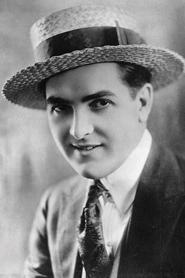
- Jack Dempsey was widely known athletes of the 1920s and appeared in several films during and after his boxing career
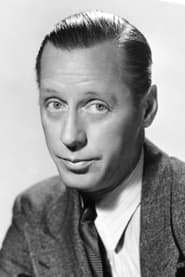
- Director Earle Rodney was a prolific comedy director who made over 100 short films between 1925 and 1930
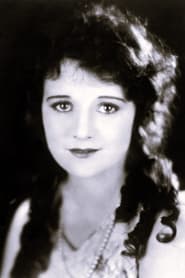
- Alice Day was the younger sister of actress Marceline Day and was a popular comedy actress in the late 1920s
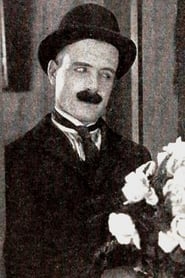
- Bobby Dunn appeared in over 400 films during his career, primarily in comedy shorts
- The film was produced by Mack Sennett, known as 'The King of Comedy' for his pioneering work in silent film comedy
- This was one of Dempsey's early film appearances, predating his more substantial roles in sound films
- The title 'A Dozen Socks' likely refers to a running gag or prop in the film, though the exact reference is unclear without viewing the film
- Many silent comedy shorts from this period featured elaborate chase sequences and physical stunts
- The film was released during the transition period when sound films were beginning to emerge, though this was a silent production
- Mack Sennett Comedies produced hundreds of short films during the 1920s, many of which are now lost
Visual style
The cinematography of 'A Dozen Socks' would have been typical of comedy shorts from the late silent period. The camera work would have been functional rather than artistic, designed primarily to clearly capture the physical comedy and action sequences. Wide shots would have been used for the boxing scenes to ensure the physical gags were visible, while medium shots would have captured the actors' expressions during comedic moments. The lighting would have been bright and even, characteristic of studio productions of the era, ensuring that all the slapstick action was clearly visible. The camera might have been mounted on a dolly for some tracking shots, particularly during any chase sequences or boxing match footage. The cinematographer would have worked closely with the director to ensure that the timing of the visual gags was preserved in the filming process.
Innovations
As a standard comedy short of its era, 'A Dozen Socks' would not have featured significant technical innovations. The film would have been shot on standard 35mm film with typical cameras and equipment of the period. The boxing sequences might have required some specialized camera setups to capture the action effectively, possibly including some low angles to emphasize the physical comedy. The film would have utilized standard editing techniques of the era, including cross-cutting between different characters and locations. Any special effects would have been achieved through practical means, such as stunt work and props. The film represents the mature state of silent film technology just before the transition to sound, when the technical aspects of filmmaking had become standardized but before the revolutionary changes that sound would bring to the industry.
Music
As a silent film, 'A Dozen Socks' would not have had a synchronized soundtrack, but it would have been accompanied by live music during theatrical presentations. The typical accompaniment would have been provided by a theater organist or pianist who would improvise or use appropriate music to enhance the on-screen action. For a comedy short, the music would have been light and playful, with faster tempos during physical comedy sequences and romantic themes during the scenes between the young couple. During the boxing sequences, the music might have included martial or sporting themes. Some theaters might have used compiled cue sheets specifically designed for comedy shorts, suggesting appropriate musical selections for different scenes. The music would have played a crucial role in establishing the comedic tone and enhancing the timing of the visual gags.
Famous quotes
No surviving quotes are available from this lost film
Memorable scenes
- The scene where the protagonist first challenges Jack Dempsey to a boxing match
- The training sequence where the young man prepares for his unlikely fight
- The climactic boxing match between the inexperienced suitor and the heavyweight champion
What audiences thought
Audience reception for 'A Dozen Socks' would have been driven primarily by the novelty of seeing Jack Dempsey in a comedy film. Boxing fans would have been drawn to the theater by the champion's appearance, while general audiences would have been attracted by the promise of physical comedy. The film likely performed adequately as part of a theater's program of shorts, though it would not have been a major draw on its own. Contemporary audience reports are unavailable, but the inclusion of a major sports celebrity suggests the producers were confident it would attract viewers. The film's success would have been measured by its ability to generate laughs and satisfy audiences looking for light entertainment between feature presentations. As with most comedy shorts of the era, it would have been quickly forgotten by audiences once the next program appeared.
Film connections
Influenced by
- Mack Sennett's earlier comedy shorts
- The boxing films of the era
- Celebrity cameo traditions
- Slapstick comedy conventions
- Romantic comedy tropes
This film influenced
- Later sports comedy films
- Other celebrity cameo comedies
- Boxing comedy films of the sound era
Film restoration
Lost film - no known copies survive. Like many silent comedy shorts, especially two-reel productions from smaller studios, 'A Dozen Socks' appears to be completely lost. No prints or negatives are known to exist in any film archives or private collections. The film is not listed among the silent films that have been rediscovered or restored in recent decades. This loss is typical for comedy shorts of the era, which were often not considered worth preserving by studios and were discarded or deteriorated over time. The only remaining evidence of the film's existence comes from production records, trade publication mentions, and cast and crew filmographies.
Where to watch
- Not available - the film is considered lost