Bobby Dunn
Actor
Born: November 28, 1890 in Milwaukee, Wisconsin, USA Died: March 24, 1937 Active: 1913-1929 Birth Name: Robert Dunn
Films
11 films

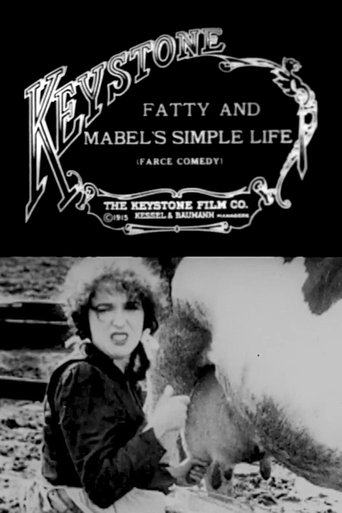
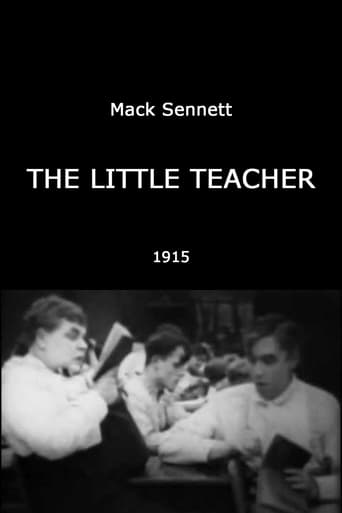
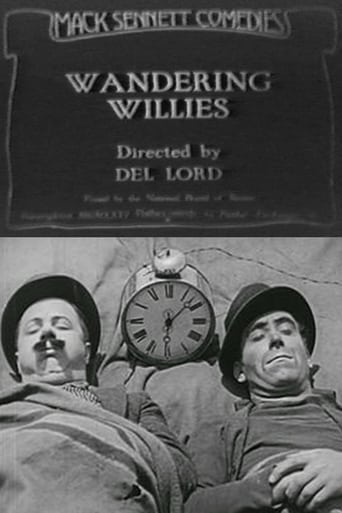
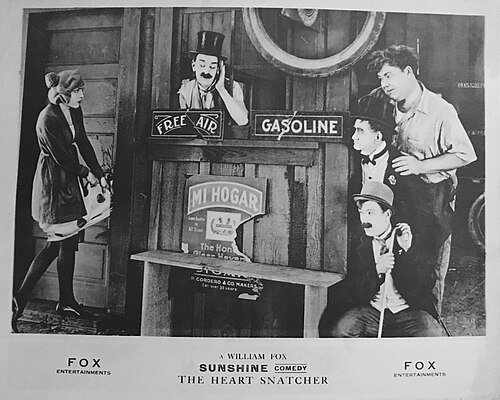
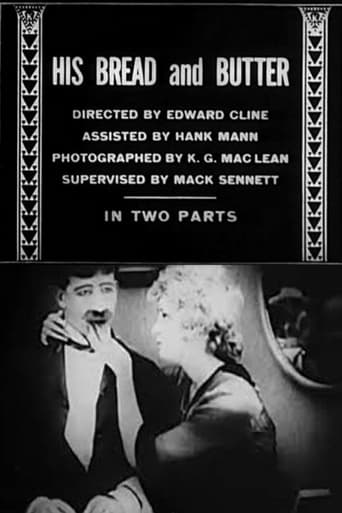
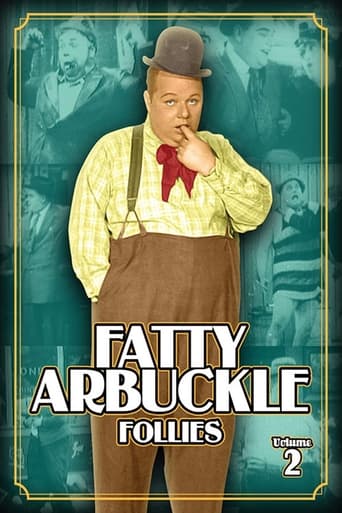
About Bobby Dunn
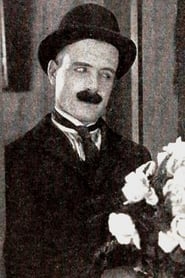
Bobby Dunn, born Robert Dunn, was a prolific American character actor and comedian who became recognizable faces in silent film comedy. Beginning his career in 1913 with Keystone Studios, he quickly established himself as a reliable comic performer, often playing antagonists, authority figures, or comic relief roles. Dunn appeared in over 200 films during his career, working with virtually every major comedy star of the silent era including Charlie Chaplin, Harold Lloyd, Mabel Normand, and Roscoe 'Fatty' Arbuckle. His distinctive appearance—stocky build, glasses, and prominent moustache—made him instantly recognizable to audiences. Dunn was particularly known for his work with Hal Roach Studios, where he became a regular in the Harold Lloyd series. Despite his prolific output, he was primarily a supporting actor rather than a star, though his contributions to countless comedy classics were invaluable. With the transition to sound films in the late 1920s, Dunn's career began to wane, though he continued appearing in smaller roles through 1929. He spent his final years in relative obscurity before his death in 1937 at the age of 46.
The Craft
On Screen
Dunn specialized in comic character acting, often playing pompous authority figures, villains, or frustrated everymen who became the butt of physical comedy. His style relied heavily on facial expressions, particularly exasperated looks and double-takes, and he was adept at taking pratfalls and participating in elaborate sight gags. His distinctive appearance with glasses and moustache made him perfect for playing comic antagonists who would inevitably get their comeuppance.
Milestones
- Signed with Keystone Studios in 1913
- Became regular in Harold Lloyd comedies at Hal Roach Studios
- Appeared in over 200 silent films
- Worked with Charlie Chaplin in several Mutual comedies
- Transitioned from shorts to feature films in the 1920s
Best Known For
Iconic Roles
Must-See Films
Working Relationships
Worked Often With
Studios
Why They Matter
Impact on Culture
Bobby Dunn represents the unsung heroes of silent comedy—the character actors who provided essential support to the stars. His face, though not as famous as Chaplin or Lloyd, was familiar to millions of moviegoers who attended comedy shorts and features during the 1910s and 1920s. Dunn's work helped establish many of the comic archetypes that would define American comedy, from the frustrated authority figure to the comic villain who always gets his just desserts. His ability to play both sympathetic and antagonistic roles made him invaluable to directors who needed reliable comic foils for their stars.
Lasting Legacy
While Bobby Dunn may not be a household name today, film historians recognize him as. His appearances in hundreds of films have made him a familiar sight to silent film enthusiasts, and his work with major comedy stars has been preserved in many classic films that continue to be studied and appreciated. Dunn's career exemplifies the journey of many supporting actors who were essential to Hollywood's golden age but whose names have faded with time. His contributions to the development of American film comedy, though largely uncredited, were significant.
Who They Inspired
Dunn's comic timing and ability to play both sympathetic and villainous roles influenced generations of character actors who followed. His work in establishing the comic antagonist archetype can be seen in the performances of later character actors like Edgar Kennedy and Franklin Pangborn. The techniques he developed for playing frustrated authority figures in comedy became standard elements of American film comedy that would be used by countless actors in subsequent decades.
Off Screen
Bobby Dunn was married twice during his lifetime. His first marriage was to actress Pauline Curley, though it ended in divorce. He later married actress and fellow Keystone performer Louise Fazenda in 1924, though this marriage also ended in divorce. Dunn had no known children. His personal life was relatively uneventful compared to the dramatic antics of some of his silent film contemporaries, and he was known as a reliable professional on set. In his later years, as his acting work diminished, he struggled financially and reportedly worked various odd jobs to support himself.
Education
Limited formal education, likely completed basic schooling in Milwaukee before entering show business
Family
- Pauline Curley (1917-1921)
- Louise Fazenda (1924-1925)
Did You Know?
- Appeared in over 200 films during his 16-year career
- Often wore the same glasses and moustache in different films, creating a recognizable persona
- Worked with virtually every major silent comedy star of his era
- Was a favorite of director Hal Roach, who cast him repeatedly in Harold Lloyd films
- Survived the transition from shorts to features when many character actors did not
- His career declined sharply with the advent of sound films
- Was known for being extremely professional and reliable on set
- Often played characters who were physically larger than the stars but would be defeated by them
- Appeared in both Chaplin's and Lloyd's most famous films
- Was one of the few actors to work regularly at both Keystone and Hal Roach studios
In Their Own Words
While no direct quotes from Bobby Dunn are widely documented, his characters often delivered exasperated lines like 'Why I oughta.' and 'This is the last straw!' in silent intertitles
His most famous 'line' was often his wordless reaction shot—an exasperated, glasses-adjusting double-take that became his signature
Frequently Asked Questions
Who was Bobby Dunn?
Screen credits include over 200 films between 1913 and 1929. He was known for his distinctive appearance with glasses and moustache, often playing comic villains, authority figures, and antagonists in comedies starring Harold Lloyd, Charlie Chaplin, and other silent comedy legends.
What films is Bobby Dunn best known for?
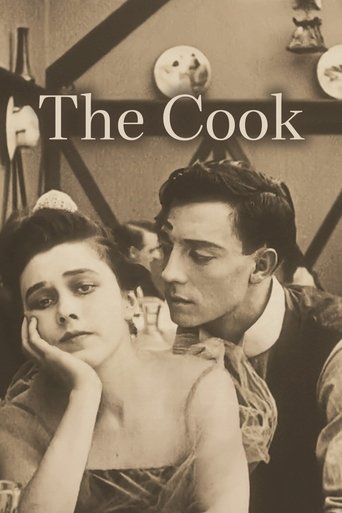
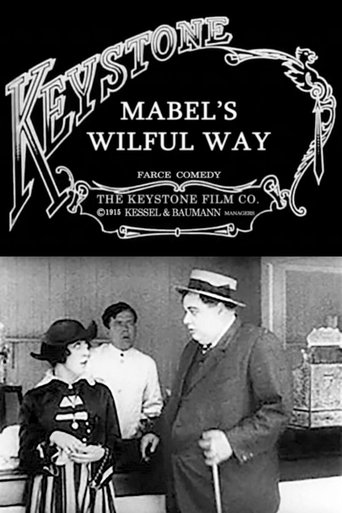
Titles linked here include The Cook (1918), Mabel's Wilful Way (1915).
When was Bobby Dunn born and when did he die?
Born November 28, 1890; died March 24, 1937.
What awards did Bobby Dunn win?
Bobby Dunn did not receive any major awards during his career, as was common for supporting character actors of the silent era. His contributions were recognized through steady employment and the respect of his colleagues rather than formal honors.
What was Bobby Dunn's acting style?
Dunn specialized in comic character acting, using facial expressions, physical comedy, and timing to create memorable supporting roles. He was particularly skilled at playing frustrated authority figures and comic villains who would inevitably become the butt of jokes, often using his distinctive glasses-adjusting double-take as a signature move.