Fatty and Mabel’s Simple Life
"1915 film by Roscoe Arbuckle"
Keys: Space play/pause · ←/→ 10s · F fullscreen · M mute · </> speed
About this film
Fatty is a farm hand at Mabel's father's place. He and Mabel love each other, but dad wants to marry Mabel off to the landowner's son in exchange for tearing up the mortgage. When Mabel and Fatty find out dad's plan, they elope, pursued by dad, the hopeful suitor, and the local constables.
Cast & crew
More films like this
More Comedy films
View all →







More from Roscoe 'Fatty' Arbuckle
View all →
More about this film
About the production
Release dateMarch 22, 1915
Box officeUnknown - Keystone films were highly profitable during this period
ProductionKeystone Film Company
Filmed inLos Angeles, California, Keystone Studios lot
This was one of many collaborations between Arbuckle and Normand during their peak partnership years at Keystone. The film was shot quickly, typical of Keystone's factory-like production schedule, often completing one-reel comedies in just 2-3 days. The rural setting was likely created on Keystone's backlot or at nearby rural locations around Los Angeles.
Themes
Love vs. MoneyClass DifferencesElopementRural LifeParental Authority
Themes & topics
Historical background
Fatty and Mabel’s Simple Life (1915) circulated in the silent era. Fatty is a farm hand at Mabel's father's place Contemporary trade papers and later preservation notes document its place among nickelodeon and cinema-club programs.
Why this film matters
Fatty and Mabel’s Simple Life remains accessible to researchers and viewers as a comedy short in museum, archive, and streaming collections. Programmers cite it when tracing regional production history and surviving early prints.
Making of
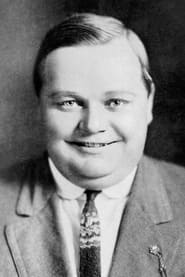
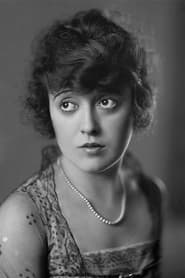
The film was produced during Keystone Studios' most productive period, when they were churning out comedies at an astonishing rate. Arbuckle and Normand had developed a natural chemistry that translated well on screen, with their contrasting physical types - Arbuckle's large, imposing frame and Normand's petite, energetic presence - creating visual comedy. The chase sequences, a staple of Keystone comedies, were often improvised on location with the cast performing their own stunts. Arbuckle, despite his size, was remarkably agile and performed many of his own physical comedy routines. The production would have been shot in natural light on exterior sets or locations, as was typical of the era before sophisticated studio lighting became common. The script was likely minimal, with most of the comedy developed through improvisation and the physical talents of the performers.
What critics said
Day-one reviews for Fatty and Mabel’s Simple Life are sparse in digitized press archives; later criticism treats it as a reference point for 1915 cinema programming and preservation.
Did you know?
- This film was released during the peak of the 'Keystone Cops' era when the studio was producing hundreds of short comedies annually
- Roscoe Arbuckle and Mabel Normand were especially popular comedy teams of the 1910s, making dozens of films together
- Al St. John, who appears in the film, was Arbuckle's nephew and a regular in his comedies, often playing his rival or sidekick
- The film was directed by Arbuckle himself, as he began taking more creative control during this period
- Mabel Normand was not only a star but also one of the few female directors working in Hollywood at the time
- The elopement theme was common in silent comedies, allowing for chase sequences and physical comedy
- This was released the same year as Arbuckle's other notable films including 'Mabel and Fatty's Wash Day' and 'Fatty's New Role'
- Keystone Studios was founded by Mack Sennett in 1912 and revolutionized American comedy with its fast-paced, slapstick style
- The film's title reflects the popular 'Fatty and Mabel' branding used for their joint appearances
- 1915 was a pivotal year for cinema, with feature films beginning to overtake shorts in popularity, though comedies like this remained popular
Visual style
The film was likely shot by Keystone's regular cinematographers using the standard equipment of the era. The visual style would have been straightforward and functional, prioritizing clarity of action over artistic composition. Natural lighting was used for exterior scenes, with the bright California sun providing the necessary illumination. The camera would have been relatively static, with movement limited to basic panning to follow the action during chase sequences. The cinematography emphasized the physical comedy, ensuring that Arbuckle and Normand's performances were clearly visible to audiences.
Innovations
While not technically innovative, the film represents the refinement of the Keystone comedy formula. The efficient production methods demonstrated by Keystone Studios in turning out quality comedies on tight schedules and budgets was itself an achievement in early film production. The film's chase sequences required careful coordination and timing, showcasing the growing sophistication of action filming techniques. The physical comedy performed by Arbuckle required athletic ability and timing that pushed the boundaries of what was possible in early film performance.
Music
As a silent film, it would have been accompanied by live music during theatrical screenings. Theaters typically employed pianists or small ensembles to provide musical accompaniment, using popular songs of the era or classical pieces appropriate to the mood of each scene. The music would have been synchronized to the on-screen action, with faster tempos during chase sequences and romantic melodies for the love scenes. No original score was composed specifically for the film.
Famous quotes
Silent films had no spoken dialogue, but intertitles might have included romantic declarations and comedic exchanges between the characters
Memorable scenes
- The elopement sequence where Fatty and Mabel sneak away from the farm under cover of darkness
- The extended chase scene with multiple pursuers including the father, suitor, and constables
- Fatty's physical comedy routines while working on the farm
- The moment when Mabel and Fatty discover the father's plan to marry her off
What audiences thought
Audiences of 1915 loved the Arbuckle-Normand comedies, which were reliable box office draws for theaters. The simple, visual humor was accessible to diverse audiences, including recent immigrants who might struggle with English-language intertitles. The elopement and chase elements provided the kind of exciting, fast-paced entertainment that silent film audiences craved. Arbuckle's popularity was at its peak during this period, before his career was derailed by scandal in the 1920s. Contemporary audiences would have recognized the cast from their many other films and appreciated the familiar formula of romance, comedy, and chase sequences.
Film connections
Influenced by
- Earlier Keystone comedies
- Mack Sennett's comedy style
- French slapstick traditions
- Vaudeville comedy routines
This film influenced
- Later Arbuckle comedies
- Keystone Cop chase films
- Early romantic comedies
- Slapstick chase sequences in later films
Film restoration
Many Keystone films from this era have been lost, but this film appears to survive in film archives. The Library of Congress and other film preservation institutions hold copies of various Arbuckle-Normand collaborations. The film may exist in incomplete or deteriorated condition, as is common with films from this period. Some archives may have restored versions available for scholarly viewing.
Where to watch
- The film may be available through specialized film archives
- Some early film collections on streaming platforms
- Film society screenings
- Academic film libraries
- Public domain collections if the copyright has expired