
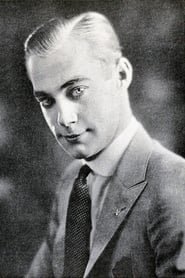
Al St. John
Actor
Born: September 10, 1892 in New York City, New York, USA Died: January 21, 1963 Active: 1913-1963 Birth Name: Alfred St. John
Films
38 films
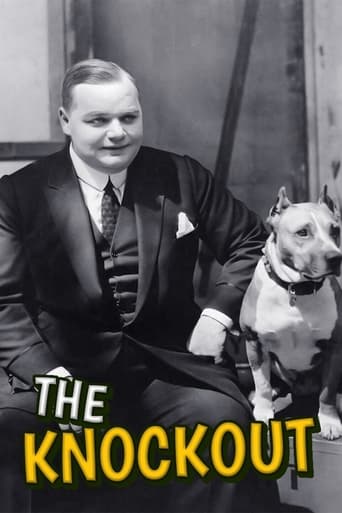
The Knockout
1914
Mabel's Blunder
1914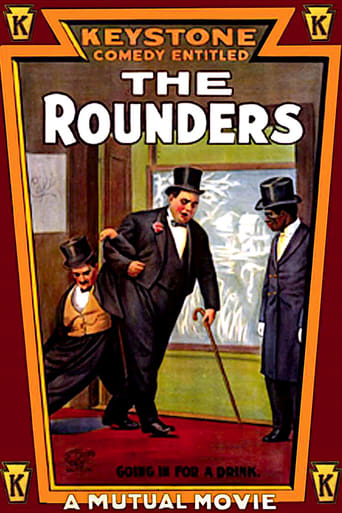
The Rounders
1914
Mabel, Fatty and the Law
1915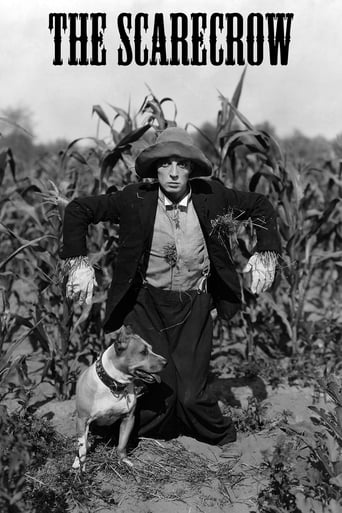
The Scarecrow
1920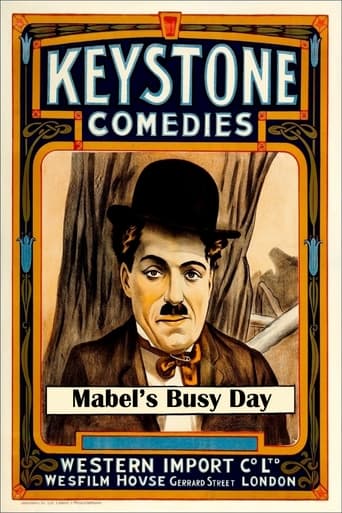
Mabel's Busy Day
1914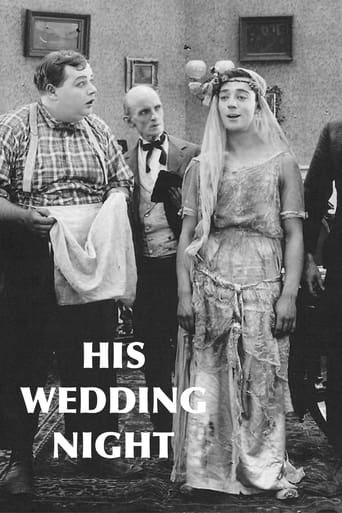
His Wedding Night
1917
The Star Boarder
1914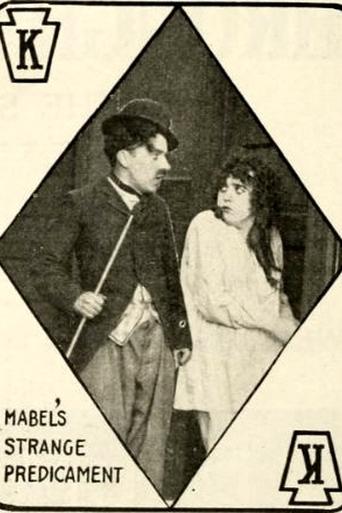
Mabel's Strange Predicament
1914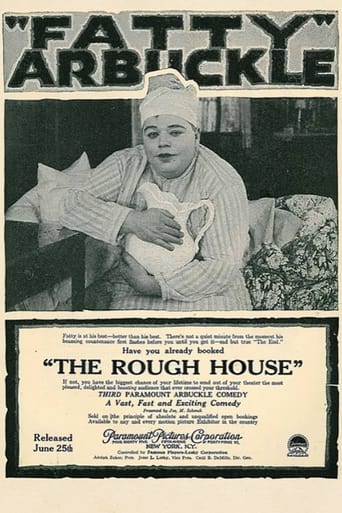
The Rough House
1917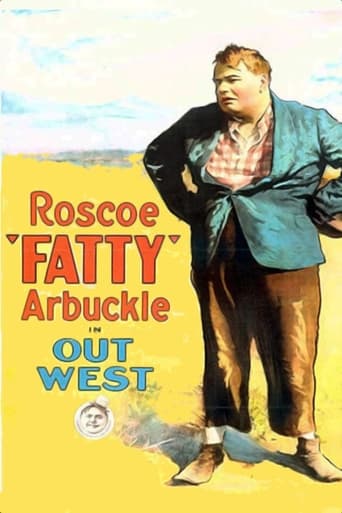
Out West
1918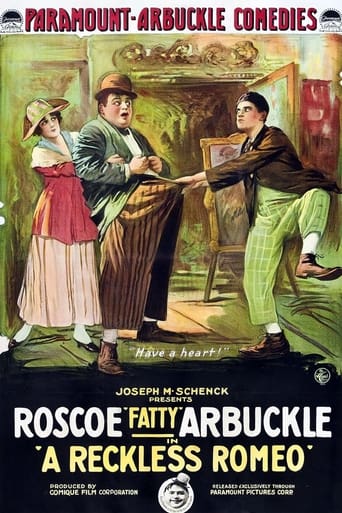
A Reckless Romeo
1917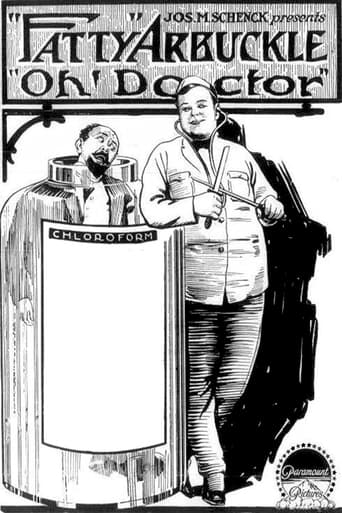
Oh, Doctor!
1917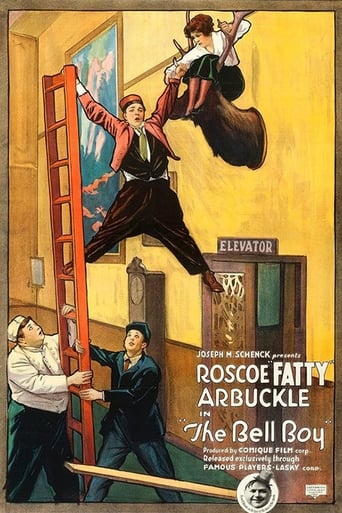
The Bell Boy
1918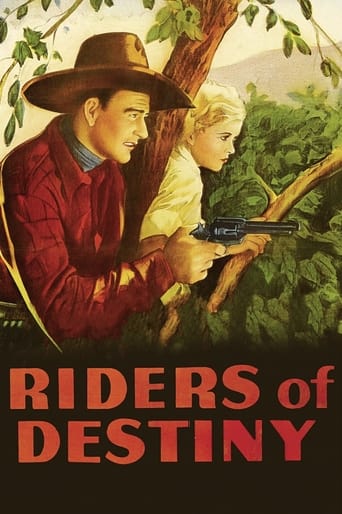
Riders of Destiny
1933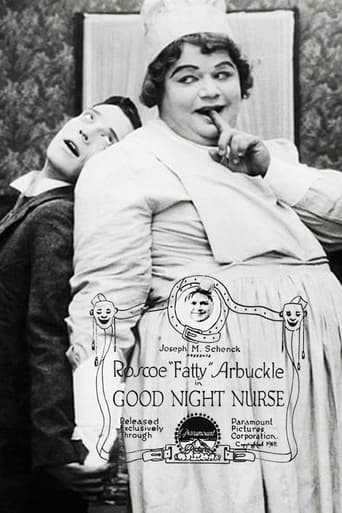
Good Night, Nurse!
1918
Coney Island
1917 Coney Island
1917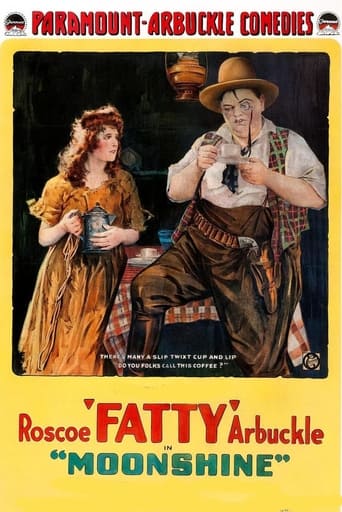
Moonshine
1918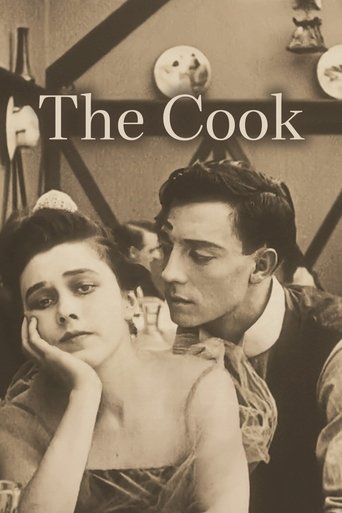
The Cook
1918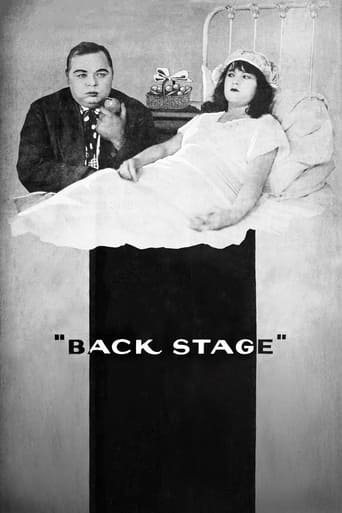
Back Stage
1919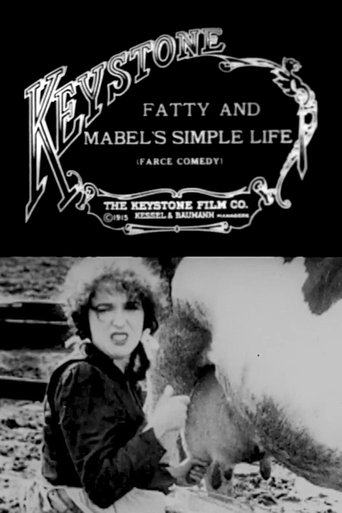
Fatty and Mabel’s Simple Life
1915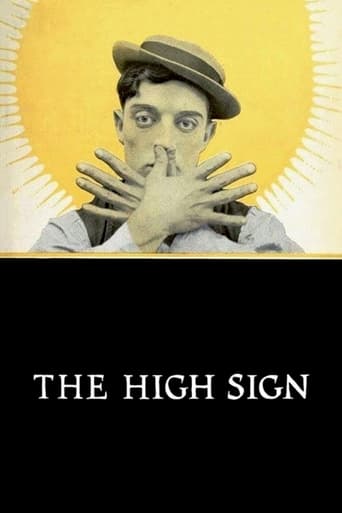
The High Sign
1921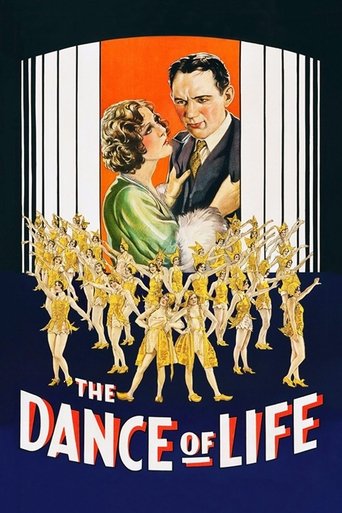
The Dance of Life
1929
Those Country Kids
1914
When Love Took Wings
1915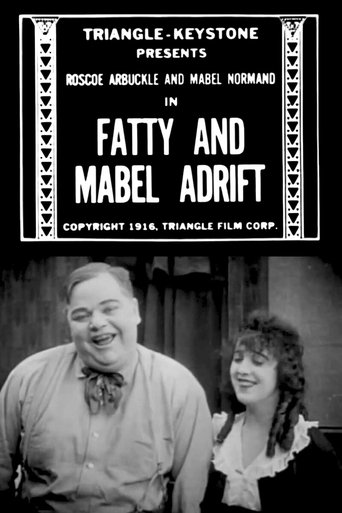
Fatty and Mabel Adrift
1916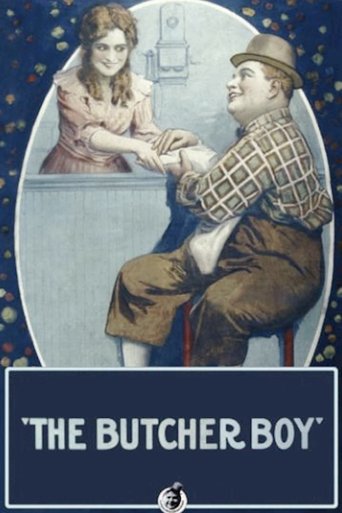
The Butcher Boy
1917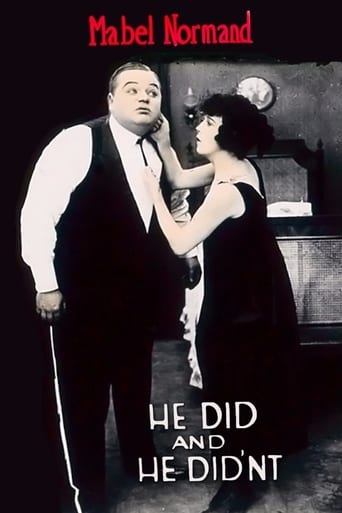
He Did and He Didn’t
1916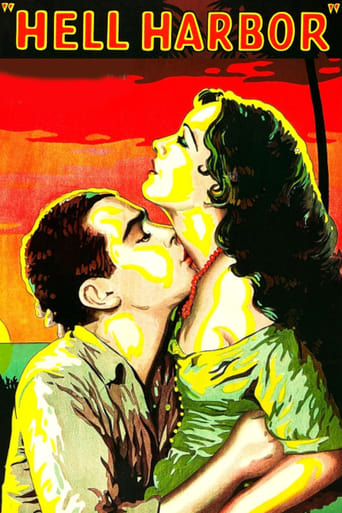
Hell Harbor
1930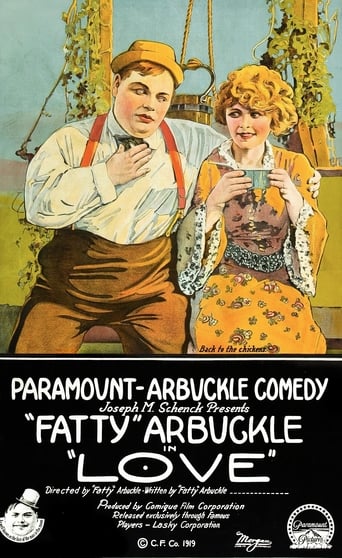
Love
1919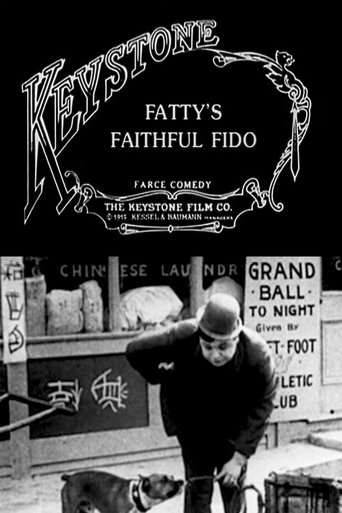
Fatty’s Faithful Fido
1915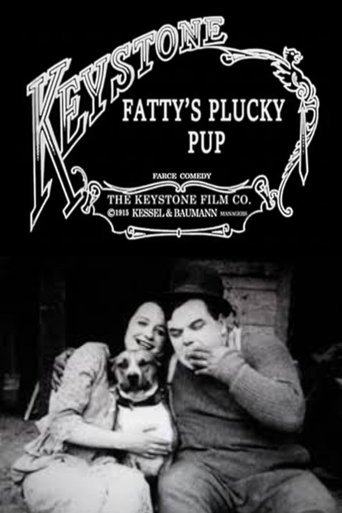
Fatty’s Plucky Pup
1915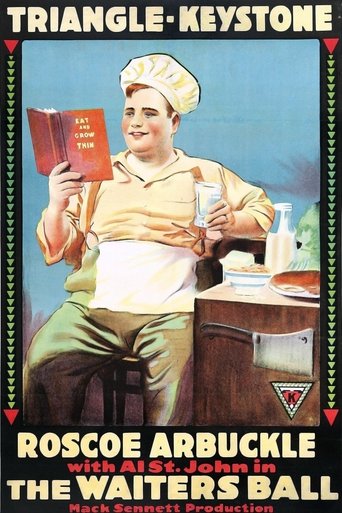
The Waiters' Ball
1916
A Bird's a Bird
1915
The New Janitor
1914
Curses
1925About Al St. John
American silent film actor and comedian who moved from Chaplin's Keystone shorts to the Fuzzy sidekick role in dozens of B-Westerns. He began his career in vaudeville before transitioning to films, where he quickly found success at Keystone Studios as a regular player in Charlie Chaplin's early comedies. St. John's distinctive appearance, with his bald head and expressive face, made him a perfect foil for Chaplin's antics, and he appeared in numerous landmark shorts including 'The Knockout' and 'Mabel's Blunder.' After leaving Keystone, he developed a successful second career in Western films, creating the beloved 'Fuzzy' character who appeared in dozens of B-Westerns alongside stars like Buster Crabbe. His ability to transition from slapstick comedy to Western sidekick demonstrated remarkable versatility, and he appeared in over 500 films throughout his five-decade career. St. John successfully adapted to the coming of sound, continuing his prolific output into the 1950s and cementing his status as one of Hollywood's most reliable character actors.
The Craft
On Screen
St. John excelled in physical comedy and slapstick, known for his exaggerated facial expressions and acrobatic abilities. His bald head and distinctive features made him instantly recognizable, and he specialized in playing either bumbling antagonists or comical sidekicks. In his early Keystone work, he employed broad, exaggerated gestures typical of silent comedy, while his later Western performances featured a more restrained but still humorous approach. His timing was impeccable, and he had a remarkable ability to convey emotion through subtle facial movements, making him effective even in non-speaking roles.
Milestones
- Regular player in Charlie Chaplin's Keystone comedies (1914-1915)
- Developed the iconic 'Fuzzy' character in Western films
- Appeared in over 500 films throughout his career
- Successfully transitioned from silent to sound films
- Worked with major comedy stars including Chaplin, Arbuckle, and Langdon
- Became
Best Known For
Iconic Roles
Must-See Films
Accolades
Special Recognition
- Hollywood Walk of Fame star (located at 6667 Hollywood Boulevard)
Working Relationships
Worked Often With
Studios
Why They Matter
Impact on Culture
Al St. John played a significant role in the development of American film comedy, particularly during the crucial early years of the Keystone era. His work with Charlie Chaplin helped establish the template for slapstick comedy in American cinema, and his ability to play both antagonist and comic relief demonstrated the versatility required of early film actors. His creation of the 'Fuzzy' character in Westerns established a new archetype for the Western sidekick, moving away from the traditional 'comic relief' to create a more integrated, character-driven supporting role. This approach influenced countless Western films and helped evolve the genre beyond simple good-versus-evil narratives.
Lasting Legacy
Al St. John's legacy endures through his remarkable filmography, which serves as a comprehensive record of American cinema's evolution from silent shorts to sound features. His work with Chaplin represents some of the earliest examples of cinematic comedy that still entertains audiences today, while his Western films provide insight into the B-movie culture of the 1930s and 1940s. As. The 'Fuzzy' character he created became so iconic that it influenced Western sidekick characters for decades, and his performances continue to be studied by film historians and comedy enthusiasts.
Who They Inspired
St. John influenced generations of character actors, particularly in the Western genre, where his 'Fuzzy' character established a new template for sidekick roles that combined humor with genuine character development. His work in early comedy helped establish physical comedy techniques that would be emulated by countless comedians who followed. His ability to maintain a successful career across multiple decades and film formats demonstrated the importance of adaptability in the entertainment industry, inspiring future character actors to develop versatile skills rather than relying on a single persona.
Off Screen
Al St. John was born into a show business family, as his mother was actress Georgia Woodthorpe. He married twice during his lifetime, first to actress Pearl Shepard in 1916, though the marriage ended in divorce. His second marriage was to actress Florence Lee, which lasted until his death. Despite his prolific film career, St. John maintained a relatively private personal life away from the Hollywood spotlight. He was known as a reliable professional on set, earning respect from directors and fellow actors for his work ethic and consistency.
Family
- Pearl Shepard (1916-1920)
- Florence Lee (1924-1963)
Did You Know?
- He appeared in over 500 films, making him
- His uncle was comedian and actor Fatty Arbuckle
- He was a regular player in 11 of Charlie Chaplin's 12 Keystone films in 1914
- The 'Fuzzy' character he created was so popular that it was used in over 50 Western films
- He was one of the few Keystone actors to successfully transition to sound films
- His bald head and distinctive features made him instantly recognizable to audiences
- He performed many of his own stunts throughout his career
- Despite his extensive filmography, he never received a major acting award or nomination
- He worked with virtually every major comedy star of the silent era
- His final film appearance was in 1963, the same year he died
In Their Own Words
I've been knocked down, run over, and thrown off more horses than any actor in Hollywood, but I always get back up for the next picture
Working with Chaplin was like going to comedy school - every day was a lesson in timing and technique
The secret to playing 'Fuzzy' was making the audience laugh with me, not just at me
Frequently Asked Questions
Who was Al St. John?
Prolific American with credits in this catalog. He appeared in over 500 films during his 50-year career, making him one of Hollywood's most recognizable character actors.
What films is Al St. John best known for?
Titles linked here include The Knockout (1914), Mabel's Blunder (1914).
When was Al St. John born and when did he die?
Born September 10, 1892; died January 21, 1963.
What awards did Al St. John win?
While Al St. John never received major acting awards or nominations during his lifetime, he was honored with a star on the Hollywood Walk of Fame at 6667 Hollywood Boulevard in recognition of his extensive contributions to American cinema.
What was Al St. John's acting style?
St. John specialized in physical comedy and slapstick, using exaggerated facial expressions and acrobatic abilities honed during his vaudeville background. His distinctive bald head and expressive features made him perfect for both comic antagonists and lovable sidekicks, and he successfully adapted his style from silent films to talkies throughout his career.