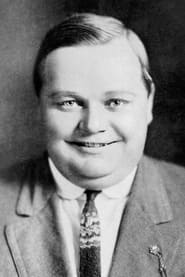
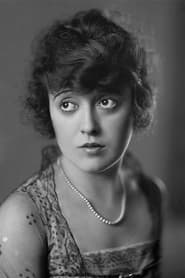

Fatty and Mabel Adrift
"Villains launch Fatty and Mabel's beachfront house into the ocean"
Keys: Space play/pause · ←/→ 10s · F fullscreen · M mute · </> speed
About this film
Villains launch Fatty and Mabel's beachfront house into the ocean.
Cast & crew
More films like this

More Comedy films
View all →







More from Roscoe 'Fatty' Arbuckle
View all →

More about this film
About the production
Release dateMarch 12, 1916
ProductionKeystone Studios, Mack Sennett Comedies
Filmed inSanta Monica, California, Pacific Ocean off California coast
The floating house sequence was achieved using a combination of practical effects, including a specially constructed platform that could be towed by boats. The ocean scenes were filmed during actual maritime conditions, creating genuine danger for the performers. Arbuckle and Normand performed many of their own stunts, including scenes where they appeared to be in real peril on the water. The production utilized innovative camera techniques for the time, including shots from boats to capture the house floating from multiple angles.
Themes
Newlywed life and domesticityHuman ingenuity in crisisThe vulnerability of domestic spaceComedy arising from disasterTriumph over adversity through teamwork
Themes & topics
Historical background
Silent-era production in 1916 relied on intertitles, live accompaniment, and studio systems that were rapidly consolidating into national industries. Archival sources describe Fatty and Mabel Adrift as 1916 short film by roscoe arbuckle. Contemporary context can be traced through sources such as the Wikipedia article on Fatty and Mabel Adrift.
Why this film matters
Early works like Fatty and Mabel Adrift help map how filmmakers, exhibitors, and viewers developed the visual language of cinema during the medium's first decades. Later revivals, archive screenings, and digitization have kept such titles accessible to researchers and dedicated viewers long after their first commercial runs.
Making of
The production of 'Fatty and Mabel Adrift' showcased the innovative spirit of Keystone Studios under Mack Sennett's leadership. The floating house sequence required extensive planning and engineering, with construction crews building a special platform that could be safely towed into the ocean. Arbuckle, who had significant creative control over his films, collaborated closely with the technical team to ensure the stunts would be both spectacular and safe. The relationship between Arbuckle and Normand extended beyond the screen - they were close friends and trusted colleagues, which contributed to their natural on-screen chemistry. The film was shot quickly, as was typical for comedy shorts of the era, with most scenes completed in one or two takes to maintain spontaneity. The ocean sequences proved particularly challenging, as the crew had to work around tides and weather conditions while keeping the actors safe on the floating set.
What critics said
Trade and newspaper reviews from the silent period for Fatty and Mabel Adrift survive only in fragments, making precise reception history difficult to reconstruct. Modern assessment tends to emphasize historical value, craft, and cultural context rather than box-office performance.
Did you know?
- This was one of over a dozen films that Roscoe 'Fatty' Arbuckle and Mabel Normand made together during their peak collaboration period from 1915-1916.
- The film's premise of a house floating at sea was considered quite innovative for its time and required complex engineering to execute safely.
- Al St. John, who plays one of the villains, was Arbuckle's nephew in real life and frequently appeared as his comic adversary.
- The beach house set was built on a movable platform that could be detached from its foundation and floated using pontoons hidden beneath.
- Some scenes were filmed in actual ocean waters, making it one of the more dangerous productions of the silent era.
- Mabel Normand was one of the few women in silent comedy who regularly performed her own stunts alongside male counterparts.
- The film was released during the height of Arbuckle's popularity before his career was derailed by scandal in 1921.
- The floating house gag was later referenced and imitated in numerous comedies, including some by Charlie Chaplin and Buster Keaton.
- The original negative was preserved through the efforts of film historians in the 1970s when many silent films were being rediscovered.
- The film's success led to several similar 'disaster comedy' shorts featuring the duo in various precarious situations.
Visual style
The cinematography, likely handled by regular Keystone cameramen, employed innovative techniques for capturing the water sequences. The film uses a combination of wide shots to establish the house floating in the ocean and medium close-ups to capture the performers' reactions. Camera work from boats provided dynamic angles that enhanced the sense of movement and danger. The photography effectively captures the contrast between the domestic interior of the house and the vastness of the ocean surrounding it. Natural lighting was used extensively, particularly in the exterior scenes, giving the film a realistic quality unusual for staged productions of the era. The camera movement during the floating sequences was remarkably smooth for the period, suggesting the use of stabilization equipment or carefully planned camera placements.
Innovations
The film's most significant technical achievement was the successful execution of the floating house sequence, which required innovative engineering and filming techniques. The production team developed a system of hidden pontoons and towing mechanisms that allowed the house set to float realistically while remaining stable enough for the actors to perform. The synchronization of multiple camera angles from both shore and boats represented an advanced approach to filming action sequences. The film also demonstrated sophisticated understanding of water physics and how to create convincing illusions of danger while maintaining performer safety. The seamless integration of practical effects with live-action performance set new standards for comedy production. The production's ability to film in actual ocean conditions while maintaining continuity and quality was particularly noteworthy for the period.
Music
As a silent film, 'Fatty and Mabel Adrift' would have been accompanied by live musical performance during its original theatrical run. The typical score would have been compiled from popular classical pieces and original compositions by theater musicians. The music would have emphasized the comedic elements with light, playful themes during the setup, shifting to more dramatic and suspenseful compositions during the ocean sequences. Many theaters used cue sheets provided by the studio, which suggested specific musical pieces for different scenes. The score would have been performed by a pianist in smaller theaters or a full orchestra in larger venues. Modern restorations of the film typically feature newly composed scores that attempt to recreate the spirit of the original accompaniments while utilizing contemporary musical sensibilities.
Famous quotes
(Intertitle) 'Their dream cottage by the sea - little did they know what dreams would come!'
(Intertitle) 'When the tide comes in, the trouble begins!'
(Intertitle) 'Afloat in a sea of trouble - and the tide is rising!'
Memorable scenes
- The sequence where Fatty and Mabel awaken to find their house floating in the ocean, their expressions of disbelief and panic perfectly timed for maximum comedic effect. The scene where they attempt to use household items to navigate or signal for help, including a memorable moment with a tablecloth as a sail. The climactic rescue sequence where multiple boats converge on the floating house, creating a chaotic symphony of physical comedy and near-disaster moments.
What audiences thought
The film was a commercial success upon its release, playing to packed theaters across the United States. Audiences were particularly drawn to the novelty of the floating house premise and the genuine chemistry between the leads. Many contemporary newspaper accounts reported that audiences were both laughing and gasping during the ocean sequences, demonstrating the film's effective blend of comedy and suspense. The short was popular enough to warrant extended runs in many cities, unusual for a comedy short of the period. Audience letters published in trade papers praised the film's originality and the performers' dedication to their craft. The success of 'Fatty and Mabel Adrift' helped solidify Arbuckle and Normand's status as bankable stars and led to increased demand for their collaborations.
Film connections
Influenced by
- Earlier Keystone comedy shorts
- Mack Sennett's slapstick style
- Comedic traditions of vaudeville
- Chase comedy films of the 1910s
This film influenced
- The Boat (1921) by Buster Keaton
- The Navigator (1924) by Buster Keaton
- Safety Last! (1923) by Harold Lloyd
- Various disaster comedy shorts of the 1920s
Film restoration
The film is preserved in its complete form through various archives including the Library of Congress and the Museum of Modern Art. Multiple 35mm copies exist, and the film has been digitally restored for modern viewing. The preservation quality is generally good, with clear images and minimal deterioration. The film is part of the Keystone Collection that has been carefully maintained by film preservationists since the 1950s.
Where to watch
- Available on DVD in various silent comedy collections
- Streaming on The Criterion Channel
- Available on YouTube through authorized archives
- Included in the Kino Lorber 'Slapstick Encyclopedia' collection
- Accessible through some university film archives and library streaming services