
Films
8 films

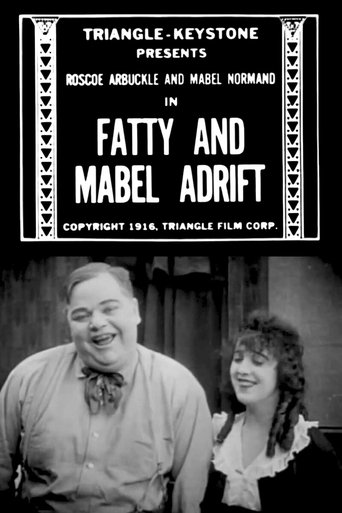
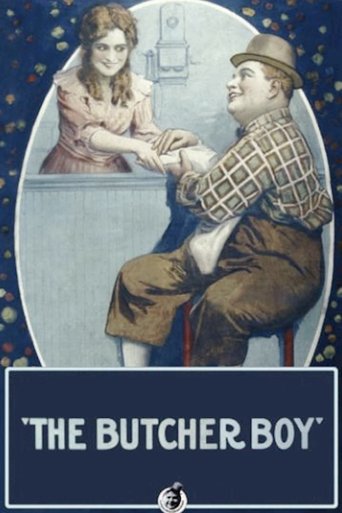
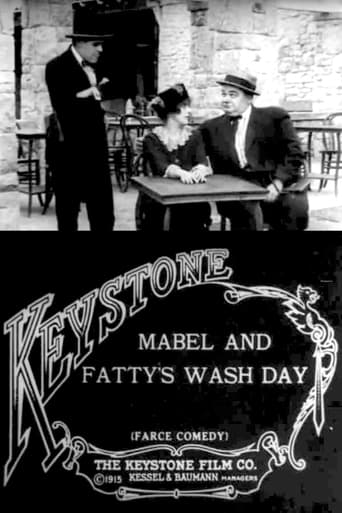
About Luke the Dog
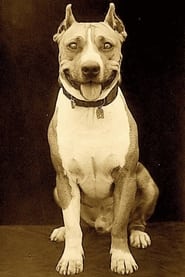
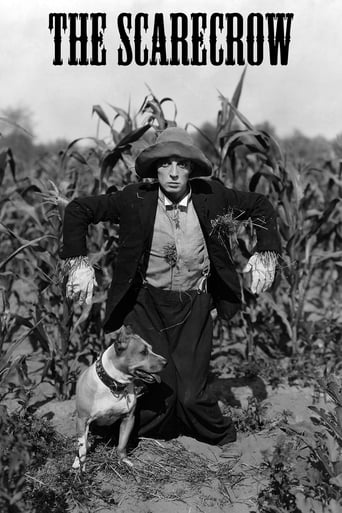
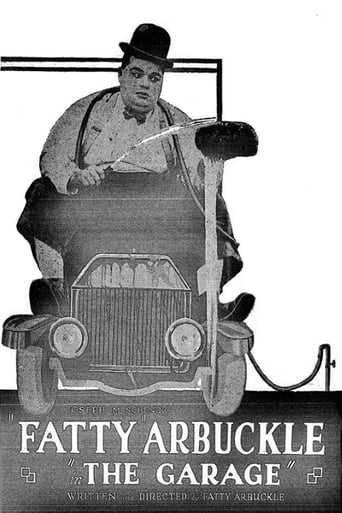
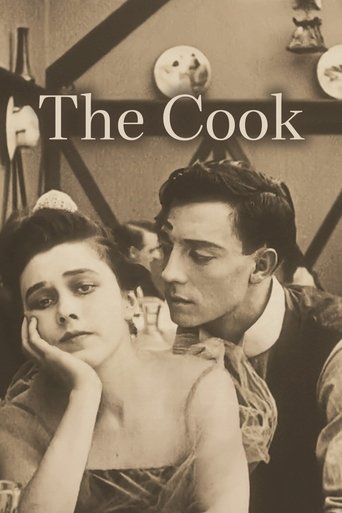
Canine actor in silent film comedy, rising to fame as one of the first animal stars in Hollywood history. Discovered and owned by comedian Roscoe 'Fatty' Arbuckle, Luke began his film career around 1915 with Keystone Studios, quickly becoming a regular presence in Arbuckle's comedies alongside Mabel Normand. The talented Pit Bull mix possessed remarkable screen presence and could perform complex stunts and emotional reactions, making him a favorite with audiences. Luke appeared in dozens of short comedies between 1915 and 1920, often playing the heroic dog who would save the day or create comic chaos. His expressive face and natural comedic timing made him stand out in an era when animal actors were rare. Luke's career paralleled the peak of silent comedy, and he worked with some of the era's biggest stars including Buster Keaton and Charlie Chaplin. Though his film career was relatively brief, lasting only about five years, Luke the Dog paved the way for future animal actors in Hollywood and remains a beloved figure in silent film history.
The Craft
On Screen
Luke the Dog was known for his remarkable expressiveness and natural comedic timing, using facial expressions and body language to convey emotions and create laughter. He could perform complex stunts and action sequences, often playing the heroic dog who would save the protagonists from peril. His acting style was characterized by his ability to follow intricate commands and react appropriately to human actors, creating believable interactions on screen. Luke had a particular talent for physical comedy, often creating chaos through his actions while maintaining audience sympathy. His performances were naturalistic yet carefully choreographed, demonstrating an understanding of comedic timing that rivaled his human co-stars.
Milestones
- One of the first animal stars in Hollywood history
- Regular performer in Keystone comedies with Fatty Arbuckle
- Appeared in over 20 silent films
- Known for heroic rescue scenes and comic timing
- Worked with major silent film stars including Mabel Normand and Buster Keaton
Best Known For
Iconic Roles
Must-See Films
Accolades
Special Recognition
- Recognized as one of the animal actors in cinema history
- Featured in film history books about silent comedy and animal performers
Working Relationships
Worked Often With
Studios
Why They Matter
Impact on Culture
Luke the Dog significantly impacted early cinema by demonstrating that animals could be compelling screen actors with genuine star power. At a time when film was still establishing its language and techniques, Luke's performances helped expand the possibilities of visual storytelling beyond human actors. His success proved that audiences would connect emotionally with animal characters, paving the way for future animal stars in Hollywood. Luke's appearances in popular comedies helped normalize the presence of animals in narrative films, influencing how directors incorporated animals into their stories. His work also challenged contemporary stereotypes about Pit Bull-type dogs, presenting them as intelligent, loyal, and heroic figures rather than the aggressive caricatures often portrayed in media.
Lasting Legacy
Luke the Dog's legacy endures as a foundational figure in the history of animal actors in cinema. He is remembered by film historians as one of the first true animal stars, predating more famous canine actors like Rin Tin Tin and Strongheart. Luke's performances have been preserved in numerous silent comedies that continue to be studied and appreciated by film enthusiasts. His work demonstrated the commercial and artistic viability of animal performers, influencing generations of filmmakers and animal trainers. Luke's contributions to silent comedy are often cited in discussions about the innovation and creativity of the Keystone era, where even dogs could become beloved stars. His story represents an important chapter in Hollywood's history, showing how the film industry's early pioneers recognized and capitalized on the universal appeal of animal characters.
Who They Inspired
Luke the Dog directly influenced the trajectory of animal actors in Hollywood, proving that dogs could carry significant screen time and drive plot elements in films. His success inspired other studios and filmmakers to develop animal-centric features, leading to the rise of major animal stars in the 1920s and beyond. Training techniques developed for Luke were refined and passed down to future animal trainers, establishing methods still used in the industry today. Luke's ability to perform complex stunts and emotional scenes set a standard for what audiences expected from animal performers. His work also influenced how writers incorporated animal characters into scripts, moving beyond simple mascot roles to give animals meaningful contributions to narrative development. The commercial success of Luke's films demonstrated to studio executives that animal performers could be bankable stars, changing the economics of film production and casting decisions.
Off Screen
Luke the Dog was owned and trained by Roscoe 'Fatty' Arbuckle, who discovered the dog's talent for performing and brought him into the film industry. Luke lived with Arbuckle during his peak film years and was considered part of the comedian's personal family. The dog was well cared for and developed a strong bond with Arbuckle, often seen with him off-set as well as during filming. Luke's life after his film career ended remains largely undocumented, as was common for animal performers of the era.
Education
Trained by Roscoe Arbuckle using positive reinforcement techniques; no formal education as an animal performer was available during the silent era
Did You Know?
- Luke was a Pit Bull Terrier mix, challenging modern stereotypes about the breed
- He was owned by Roscoe Arbuckle, who personally trained him for film work
- Luke could reportedly understand over 100 commands and hand signals
- He performed his own stunts, including jumping from moving vehicles and swimming scenes
- Luke was one of the first animal actors to receive screen credit in some films
- He appeared in more films than many human actors of the silent era
- Luke was known to be particularly gentle with child actors on set
- His salary was reportedly higher than some bit-part human actors
- Luke had a distinctive white patch on his chest that made him easily recognizable
- He often stole scenes from his famous human co-stars with his natural comedic timing
Frequently Asked Questions
Who was Luke the Dog?
Canine with credits in this catalog. He was a Pit Bull mix owned by Roscoe 'Fatty' Arbuckle and appeared in numerous Keystone comedies from 1915-1920, known for his expressive performances and heroic rescue scenes.
What films is Luke the Dog best known for?
Titles linked here include Mabel and Fatty's Wash Day (1915), Fatty and Mabel Adrift (1916).
When was Luke the Dog born and when did he die?
The exact birth and death dates of Luke the Dog are not documented, as was common for animal performers of the silent era. He was active in films from approximately 1915 to 1920, and was likely born in the United States before his film career began.
What awards did Luke the Dog win?
Luke the Dog did not receive formal awards during his career, as animal performance awards did not exist in the silent film era. However, he is recognized by film historians as a figure in animal acting and is remembered for his significant contributions to early cinema.
What was Luke the Dog's acting style?
Luke the Dog was known for his remarkable expressiveness and natural comedic timing, using facial expressions and body language to convey emotions. He could perform complex stunts and action sequences, often playing the heroic dog who would save protagonists from peril. His acting style was characterized by his ability to follow intricate commands and create believable interactions with human actors.