Mabel and Fatty's Wash Day
"silent era intrigue and wash"
Keys: Space play/pause · ←/→ 10s · F fullscreen · M mute · </> speed
About this film
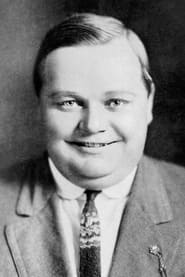
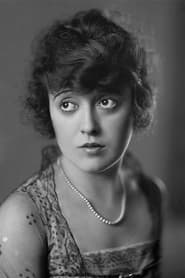
When laundry-day flirtations turn to jealousy, Fatty Arbuckle and Mabel Normand turn a simple wash into slapstick mayhem in this Keystone one-reeler. Arbuckle directed and co-starred with Normand in a brisk comedy built around domestic rivalry.
Cast & crew
More films like this
More Comedy films
View all →







More from Roscoe 'Fatty' Arbuckle
View all →
More about this film
About the production
Release dateMarch 8, 1915
Box officeUnknown - but Keystone shorts were highly profitable for the studio
ProductionKeystone Film Company, Mack Sennett Comedies
Filmed inKeystone Studios, Edendale, California
Filmed during the peak of the Keystone era when the studio was producing dozens of shorts per month. The wash day setting was a common domestic scenario that audiences could relate to, making the comedy more accessible. The film was likely shot in one or two days, as was typical for Keystone productions of this period.
Themes
Themes & topics
wash daylaundrysoap sudsmisunderstandingjealousyneighborhenpecked husbandchaseslapstickchaos
Historical background
Made in 1915, Mabel and Fatty's Wash Day belongs to the silent era and carries the visual and narrative habits of its time.
Why this film matters
For collectors of early and classic cinema, Mabel and Fatty's Wash Day illustrates the range of subjects and styles that reached theaters in 1915.
Making of
The production of 'Mabel and Fatty's Wash Day' exemplified the rapid-fire approach of Keystone Studios under Mack Sennett's leadership. The film was likely conceived, written, shot, and edited within a week, as was standard for Keystone shorts. Arbuckle and Normand had developed a comfortable working relationship that allowed for improvisation on set, with many gags being invented during filming rather than strictly scripted. The wash day setting required extensive props including period-appropriate washboards, tubs, and hanging lines, all of which became tools for physical comedy. The cast and crew worked long hours to maintain Keystone's demanding production schedule, often filming multiple shorts simultaneously. The film's success was partly due to the genuine chemistry between Arbuckle and Normand, which translated well to the screen and made their comedic partnership believable to audiences.
What critics said
Critics writing near 1915 focused on how Mabel and Fatty's Wash Day compared with rival titles in the same season.
Did you know?
- This was one of over 20 films that Mabel Normand and Roscoe Arbuckle made together during their peak collaboration period at Keystone.
- The film was released during the height of the 'Fatty and Mabel' series, which were extremely popular with audiences.
- Keystone Studios was known for its 'anything for a laugh' approach, and real soap and water were used in the filming, making the set quite slippery and dangerous.
- The wash day theme was particularly relatable to 1915 audiences, as laundry day was a major domestic chore in the era before washing machines.
- Harry McCoy, who plays a supporting role, was a Keystone regular who appeared in over 200 shorts for the studio.
- The film showcases Arbuckle's remarkable agility despite his large size, a key element of his comedy persona.
- Mabel Normand was not only the star but also one of the few women directors working in Hollywood at the time, though she didn't direct this particular film.
- The film was part of a slate of releases that helped establish Keystone as the dominant comedy studio of the early 1910s.
- Original prints of the film were tinted blue for night scenes and amber for day scenes, a common practice of the era.
- The film's success led to several sequels and similar-themed shorts featuring the same domestic comedy elements.
Visual style
The cinematography, typical of Keystone productions, was straightforward and functional, designed primarily to clearly capture the physical comedy. The camera was largely static, positioned to give full view of the slapstick action. Wide shots were favored to ensure that all gags and physical movements were visible to the audience. The film employed basic continuity editing techniques that were still being developed during this period. Lighting was natural and bright, characteristic of California filming locations. The cinematography prioritized clarity over artistic flair, ensuring that the fast-paced comedy was always comprehensible to viewers.
Innovations
While not technically innovative in the way that some 1915 films were, 'Mabel and Fatty's Wash Day' demonstrated mastery of the comedy short format. The film's pacing and gag construction showed the refinement of Keystone's comedy formula. The effective use of props for comedic purposes, particularly the wash day equipment, showed creative problem-solving in visual storytelling. The film also demonstrated the effective use of continuity editing to maintain comedic rhythm across multiple shots and scenes. The coordination of the physical comedy, involving multiple performers and props, required considerable technical skill in choreography and timing.
Music
As a silent film, 'Mabel and Fatty's Wash Day' would have been accompanied by live musical performance during its theatrical run. The typical Keystone score would have been upbeat and lively, often using popular songs of the day as well as classical pieces adapted for comedic effect. The music would have been synchronized with the on-screen action, with frantic piano or organ playing during chase scenes and more subdued melodies during dialogue sequences. The score would have been improvised by the theater's musician or musicians, who would have been provided with cue sheets suggesting appropriate musical pieces for different scenes.
Famous quotes
As a silent film, there are no spoken quotes, but intertitles included: 'A little soap makes a lot of bubbles' and 'When wives are suspicious, trouble bubbles up!'
Memorable scenes
- The iconic scene where Fatty gets tangled in clotheslines while trying to hide from his wife, resulting in him being covered in hanging laundry and unable to escape. The scene escalates as Mabel tries to help him, only making the situation more comically complicated. The climax of the scene involves both characters slipping in soap suds and bringing down the entire clothesline setup in a cascade of fabric and bubbles.
What audiences thought
The film was very popular with contemporary audiences, who were enthusiastic about the Fatty and Mabel series. Movie theaters reported strong attendance for the short, and it was often paired with other Keystone comedies to create a full comedy program. Audience response was particularly positive to the physical comedy elements, with the wash day chaos generating laughter in theaters across the country. The film's domestic setting made it relatable to viewers of the time, many of whom experienced similar wash day struggles (minus the comedic chaos). The popularity of the film and others like it helped establish both Arbuckle and Normand as major box office draws of the silent era.
Film connections
Influenced by
- Earlier Keystone comedies
- Mack Sennett's comedy style
- French comedies of the early 1910s
- Vaudeville comedy routines
This film influenced
- Later domestic comedy shorts
- The Three Stooges shorts
- Laurel and Hardy domestic comedies
- Early television sitcoms
Film restoration
The film is preserved in several archives, including the Library of Congress and the Museum of Modern Art. While some prints show signs of deterioration, the film is considered complete and viewable. Several restoration projects have worked to preserve and digitize Keystone shorts including this one. The film is available through various classic film archives and some public domain collections.
Where to watch
- Internet Archive (public domain)
- YouTube (various uploads)
- Kino Lorber DVD collections
- The Criterion Channel (occasionally)
- Film streaming services specializing in silent cinema