


Coney Island
"Arbuckle and Keaton chase fun—and girls—at Coney Island."
Keys: Space play/pause · ←/→ 10s · F fullscreen · M mute · </> speed
About this film
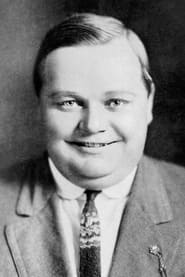
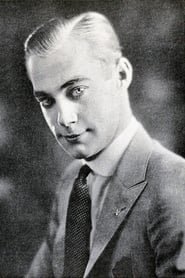
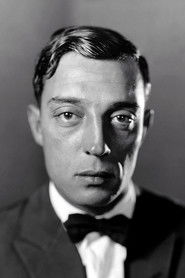
Keaton and Arbuckle at Coney Island the watch of his domineering wife and heads for Coney Island. Keaton arrives that same day with his attractive, and rather easy, girlfriend, who is immediately stolen from him by St. John.
Cast & crew
More Comedy films
View all →






More from Roscoe 'Fatty' Arbuckle
View all →
More about this film
About the production
Release dateJune 4, 1917
ProductionComique Film Corporation
Filmed inConey Island, Brooklyn, New York, Comique Studios, California
This was one of the earliest films to feature Buster Keaton, who was still developing his iconic 'Great Stone Face' persona. The film was shot on location at the actual Coney Island amusement park, providing authentic background scenery. Arbuckle and Keaton developed a close working relationship during this period, with Keaton learning much about film comedy from the more experienced Arbuckle. The production utilized real Coney Island attractions as part of the comedy sequences, including roller coasters and amusement rides.
Themes
Escape from domesticityFreedom and leisureMale competition and rivalryAmerican urban cultureThe comedy of deception
Themes & topics
amusement parkinfidelitychaseslapstickhusband and wiferivalryescapedeceptionphysical comedyConey Island
Historical background
Released around 1917, Coney Island emerged while exhibitors were still defining how longer narratives could hold nickelodeon audiences.
Why this film matters
Collectors prize surviving prints of Coney Island as evidence of how 1917-era filmmakers solved storytelling problems with limited means.
Making of
The production of 'Coney Island' presented unique challenges as it was one of the first comedies to extensively use location shooting at a major public amusement park. Arbuckle and his crew had to work around actual park visitors and operating rides, requiring careful timing and coordination. The relationship between Arbuckle and Keaton during this period was particularly significant, as Arbuckle took the younger comedian under his wing, teaching him the fundamentals of film comedy and stunt work. Keaton, who had previously worked primarily in vaudeville, learned camera techniques and film timing from Arbuckle during the making of this and other films from this period. The cast often improvised gags on location, taking advantage of unexpected situations that arose from filming in a public space. The film's success led to Arbuckle giving Keaton more prominent roles in subsequent productions, eventually helping launch Keaton's independent career.
What critics said
Press clipping files from 1917 rarely give Coney Island headline space; mentions appear in roundup columns listing what played that week.
Did you know?
- This was one of the first films where Buster Keaton appeared with Roscoe Arbuckle, marking the beginning of their collaborative partnership that would span numerous films.
- The film was shot on location at the actual Coney Island, making it one of the earliest examples of location shooting in comedy films.
- Buster Keaton was only 22 years old when this film was made and was still developing his famous deadpan comedic style.
- Al St. John was Arbuckle's nephew in real life and frequently appeared in his films as a comic antagonist.
- The Comique Film Corporation, which produced this film, was Arbuckle's own production company, giving him creative control over his comedies.
- This film showcases real Coney Island attractions from 1917, including the famous Luna Park and Dreamland amusement areas.
- The film's success helped establish the template for the three-person comedy ensemble that would later be perfected by The Three Stooges.
- Despite being a short film, it required extensive coordination to film around actual Coney Island crowds and attractions.
- This was one of the last films before Keaton began developing his more sophisticated stunt work and visual gags.
- The film's title card illustrations were created by noted comic artist and animator George Herriman.
Visual style
The cinematography, credited to George Peters, was notable for its time for successfully capturing action in a crowded outdoor location. The film employed relatively static camera positions typical of the era, but made effective use of the natural backdrop of Coney Island's attractions. The photography had to contend with natural lighting conditions and the movement of actual park visitors, creating a sense of authenticity that studio-bound films lacked. The visual composition often framed the comedians against the impressive architecture of Luna Park and other Coney Island landmarks, creating striking contrasts between the small human figures and the massive amusement structures.
Innovations
While not technologically groundbreaking, 'Coney Island' was technically notable for its extensive use of location shooting at a working amusement park. The production successfully coordinated filming around operating rides and moving crowds, demonstrating improved mobility of camera equipment compared to earlier films. The film's editing, typical of Arbuckle's work, featured relatively quick cuts for chase sequences, helping build comedic momentum. The use of actual park attractions as integral parts of the comedy sequences represented an innovative approach to integrating location with narrative, rather than merely using it as background.
Music
As a silent film, 'Coney Island' would have been accompanied by live musical performance during its original theatrical run. The typical score would have been provided by a theater organist or small orchestra, using popular songs and classical pieces appropriate to the on-screen action. For chase sequences, upbeat ragtime compositions would have been common, while romantic moments might have featured sentimental ballads. The music would have been cued to match the rhythm of the physical comedy and the changing moods of the scenes. No original composed score exists for the film, though modern restorations are often accompanied by newly commissioned scores that attempt to recreate the musical style of the period.
Memorable scenes
- The opening sequence where Fatty attempts to escape his wife's surveillance using elaborate disguises and misdirection
- The chaotic chase through the various Coney Island rides and attractions with all three comedians pursuing each other
- The scene on the roller coaster where physical comedy is enhanced by the genuine motion of the ride
- The moment when Keaton's girlfriend is immediately charmed away by St. John, establishing the central conflict
What audiences thought
The film was well-received by contemporary audiences, who enjoyed its relatable premise of escaping domestic responsibility and the familiar setting of the popular amusement park. Moviegoers of the time were particularly entertained by the physical comedy and the sight gags involving actual Coney Island rides and attractions. The chemistry between Arbuckle, Keaton, and St. John resonated with audiences, helping establish them as popular comedy performers. The film's success at the box office helped solidify Arbuckle's status as a major comedy star and demonstrated the commercial viability of location-based comedy shorts.
Film connections
Influenced by
- Mack Sennett comedies
- Chaplin's early shorts
- Vaudeville comedy traditions
- American slapstick comedy
This film influenced
- The Three Stooges shorts
- Abbott and Costello films
- Jackie Chan's action comedies
- Modern amusement park comedies
Film restoration
The film survives in complete form and has been preserved by various film archives, including the Library of Congress. Multiple versions exist with varying degrees of restoration quality. The film has been released on DVD as part of several Arbuckle and Keaton collections, with some versions featuring newly commissioned musical scores. While some deterioration is evident in surviving prints, the film remains watchable and historically valuable.
Where to watch
- Available on DVD in 'The Arbuckle & Keaton Collection' from Kino Lorber
- Streaming on various classic film platforms including The Criterion Channel
- Public domain versions available on YouTube and Internet Archive
- Available through some university film archives and library collections