
Alice Lake
Actor
Born: October 30, 1895 in Brooklyn, New York, USA Died: February 15, 1967 Active: 1917-1932
Films
13 films

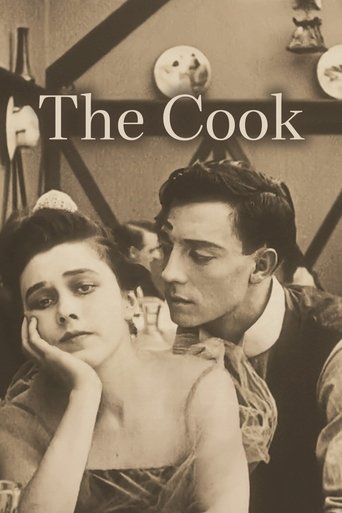
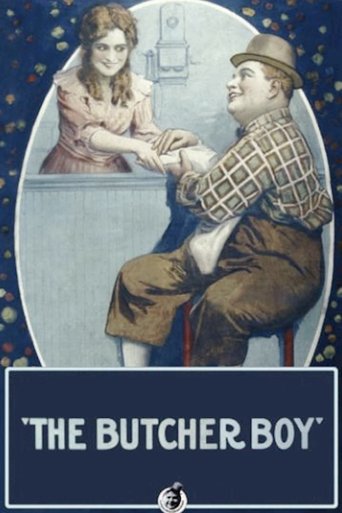
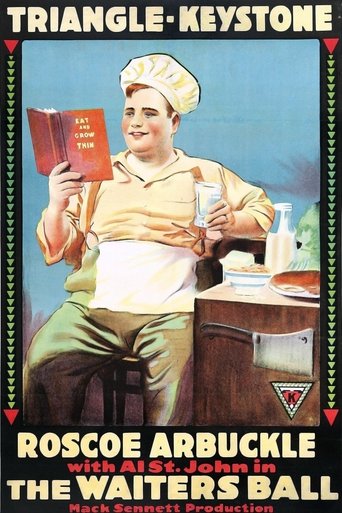
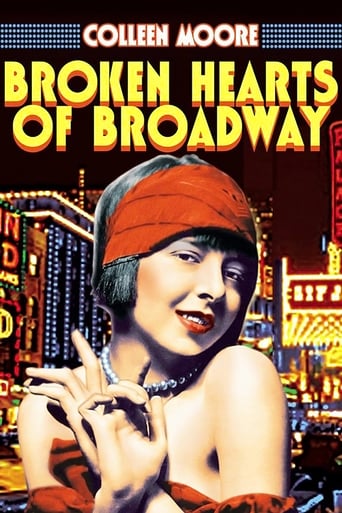
About Alice Lake
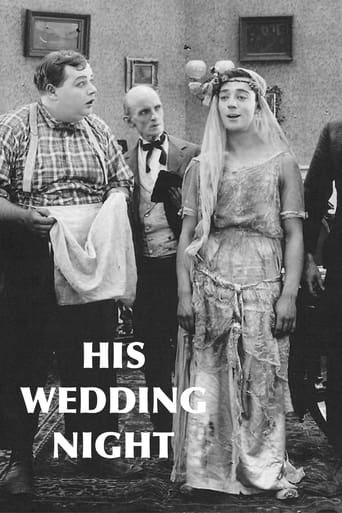
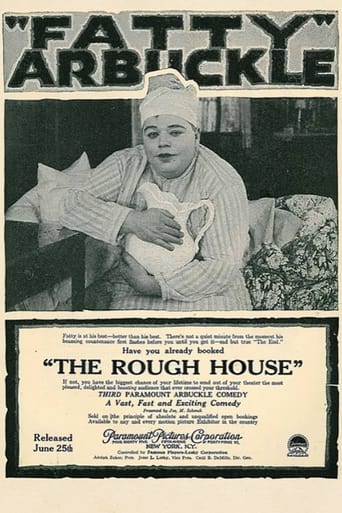
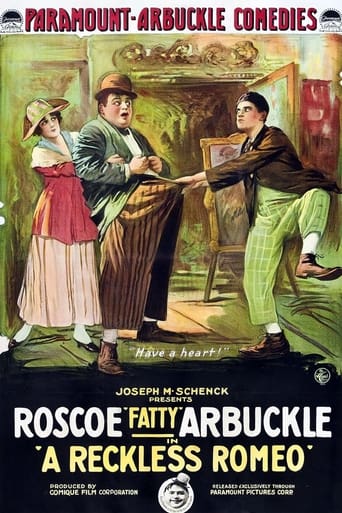
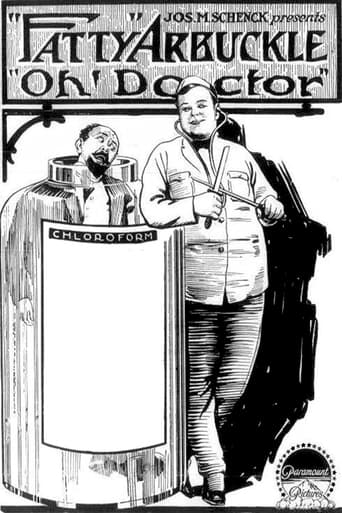
American silent-film actress best remembered for her work in short comedies and feature comedies during the late 1910s, especially for her appearances opposite Roscoe "Fatty" Arbuckle and the Keystone company players. Born in Brooklyn, New York, she entered the film industry during the rapid expansion of slapstick comedy and quickly became a familiar face in vaudeville-style screen humor. Her screen persona combined a lively, mischievous energy with a polished presence that made her effective in both broad farce and more conventional romantic comedy situations. Lake appeared in a number of widely seen Arbuckle vehicles in 1917 and 1918, including "His Wedding Night," "The Rough House," "A Reckless Romeo," "Oh, Doctor!" and "Coney Island," which helped establish her as one of the notable women of early screen comedy. She later continued acting through the silent era, though her greatest visibility remained tied to the comedy films of the mid-to-late 1910s. As with many performers of the silent period, much of her surviving reputation rests on film credits and studio publicity rather than extensive later-life interviews or memoirs. She is remembered today as part of the lively ensemble of actresses who helped shape the rhythm, wit, and romantic complications of early American screen comedy.
The Craft
On Screen
Alice Lake's acting style was shaped by silent-era comic timing, expressive facial work, and a light, energetic physical presence that fit the demands of slapstick and farce. She tended to project charm and quick responsiveness rather than broad clowning, which made her effective as a foil to larger comic personalities. Like many silent performers, she relied on clear body language and economical gesture to communicate emotion and story beats without dialogue. Her screen work suggests an ability to adapt to both ensemble comedy and more conventional romantic or domestic scenarios.
Milestones
- Became a recognizable silent-screen comedy actress during the 1917–1918 boom in short comedic films.
- Appeared in several major Roscoe Arbuckle comedies, placing her among the best-known supporting women in early slapstick cinema.
- Worked in productions associated with the Keystone tradition, helping bridge the transition from shorts to feature-length comedy storytelling.
- Maintained a screen career into the silent-feature era and into the early years of sound-era transition, demonstrating longevity beyond her earliest comic successes.
- Built a filmography that reflects the range of women performers in silent comedy, moving between ingénue, romantic interest, and energetic farce partner roles.
Best Known For
Iconic Roles
Must-See Films
Working Relationships
Worked Often With
Studios
Why They Matter
Impact on Culture
Alice Lake contributed to the development of early American screen comedy at a time when women in slapstick were often more than mere decoration; they could be active participants in the comic engine of the film. Her work alongside major comedy stars helped define the balance between physical humor and feminine screen presence that became a hallmark of many silent comedies. By appearing in high-visibility shorts and features during a formative period for the genre, she became part of the template for the lively, modern silent-era comedienne. Although not a household name today, her films remain important examples of how ensemble casting and romantic comedy roles functioned in the silent period.
Lasting Legacy
Alice Lake's legacy lies in her association with the classic Arbuckle/Keystone comic tradition and in the preservation of her performances as evidence of the artistry of silent-era ensemble acting. She represents a generation of actresses whose work helped stabilize the grammar of screen comedy: reaction shots, physical timing, and the readable expressive performance that audiences of the period relied upon. In film history, her name appears as part of the supporting cast of an important comedy ecosystem rather than as a lone star, but that ensemble role is precisely what makes her historically significant. Her surviving film credits continue to provide scholars and enthusiasts with a view of how women performed within early slapstick's fast-paced, often improvisational-seeming structure.
Who They Inspired
Alice Lake influenced the silent-comedy tradition by exemplifying a performer type that could keep pace with comic leads while maintaining distinct personality and screen credibility. Her work helped normalize the presence of articulate, spirited female partners in slapstick narratives, a pattern later echoed by countless supporting actresses in comedy films. While she may not have directly mentored later stars, the durability of her performances contributes to the broader lineage of screen-comic women whose timing and expressiveness informed later generations. Her films remain useful reference points for actors and historians studying performance techniques in silent cinema.
Off Screen
Publicly available information about Alice Lake's personal life is limited compared with later Hollywood stars, and much of what is known comes from studio-era records and film reference sources rather than extensive private documentation. She was born Alice Lake in Brooklyn and pursued acting during the height of silent comedy, but detailed accounts of her family background, education, and private relationships are not widely documented in standard film histories. No major personal controversies are strongly associated with her name in the surviving mainstream record, and she appears to have maintained a comparatively low-profile life outside the screen. Her later years were spent away from the prominence she enjoyed during the silent era.
Education
No widely documented formal education is consistently cited in standard film-reference sources; details are generally unavailable.
Did You Know?
- Alice Lake was especially active during the peak years of two-reel comedy, when many silent film stars built their reputations in short subjects rather than features.
- She is closely associated with Roscoe Arbuckle's comic output, which places her in.
- Her best-known surviving work comes from 1917, a particularly prolific year in her early screen career.
- Like many silent-era performers, she worked in an industry that often credited supporting players unevenly, so some of her film appearances are easier to verify through archival sources than through studio promotion.
- Her career illustrates how actresses in silent comedy often needed both glamour and physical precision to succeed.
- She was part of the rapid transformation from stage-influenced moving-picture farce to a more developed feature-film comedy style.
- Her name is sometimes confused with later or unrelated performers, but this Alice Lake is the silent-film actress active chiefly in the 1910s and early 1920s.
Frequently Asked Questions
Who was Alice Lake?
American silent-film actress best known for her work in early comedy films of the 1910s. She is especially remembered for appearing in several Roscoe Arbuckle comedies and for contributing to the energetic ensemble style of slapstick cinema.
What films is Alice Lake best known for?
Titles linked here include His Wedding Night (1917), The Rough House (1917).
When was Alice Lake born and when did she die?
Born October 30, 1895; died February 15, 1967.
What awards did Alice Lake win?
There are no widely documented major awards or nominations associated with Alice Lake in the surviving standard record. Her importance rests more on her film work and historical place in silent comedy than on formal industry honors.
What was Alice Lake's acting style?
Alice Lake's acting style was shaped by silent-film performance traditions, with expressive facial acting, clear physical gestures, and good comic timing. She worked especially well as a lively comic foil and romantic presence in slapstick ensembles.
What is Alice Lake's legacy in film history?
Alice Lake's legacy is as part of the important silent-comedy ensemble era that helped define American screen humor. She represents the skilled supporting actresses whose work made early comedy films vivid, readable, and enduring.