

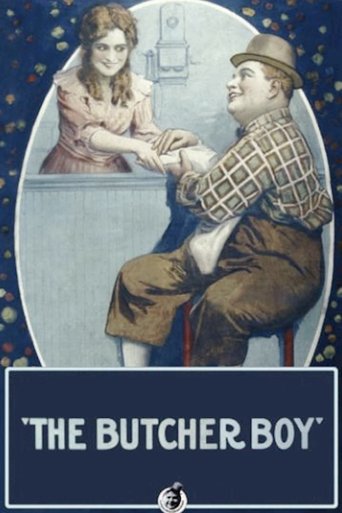
Oh, Doctor!
"Roscoe is a doctor who falls in love with a pretty woman whose boyfriend"
Keys: Space play/pause · ←/→ 10s · F fullscreen · M mute · </> speed
About this film
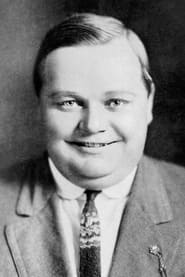
Roscoe is a doctor who falls in love with a pretty woman whose boyfriend, in turn, falls in love with Roscoe's wife's jewelry.
Cast & crew
More films like this

More Comedy films
View all →







More from Roscoe 'Fatty' Arbuckle
View all →
More about this film
About the production
Release dateJuly 2, 1917
ProductionComique Film Corporation
Filmed inLos Angeles, California
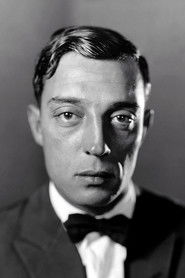
This film was part of the Comique Film Corporation series, which was a production company formed by Joseph M. Schenck specifically to produce films starring Roscoe Arbuckle. The company was known for its high production values compared to other comedy shorts of the era. The film was shot during a particularly productive period in Arbuckle's career when he was making dozens of two-reel comedies annually. The collaboration between Arbuckle and the young Buster Keaton was still relatively new at this point, with Keaton learning the ropes of film comedy under Arbuckle's mentorship.
Themes
Romantic complicationsMistaken identityMaterialismMedical profession parodyJewelry theft
Themes & topics
Historical background
Silent-era production in 1917 relied on intertitles, live accompaniment, and studio systems that were rapidly consolidating into national industries.
Why this film matters
Early works like Oh, Doctor! help map how filmmakers, exhibitors, and viewers developed the visual language of cinema during the medium's first decades. Later revivals, archive screenings, and digitization have kept such titles accessible to researchers and dedicated viewers long after their first commercial runs.
Making of
The making of 'Oh, Doctor!' occurred during a golden period of silent comedy production. Arbuckle was at the height of his popularity and had considerable creative control over his films. The set was known for its collaborative atmosphere, with Arbuckle encouraging improvisation and contributions from his co-stars. Buster Keaton, still early in his film career, was absorbing comedy techniques from Arbuckle that would later define his own distinctive style. The film was shot quickly, as was typical for comedy shorts of the era, with the entire production likely completed in just a few days. The physical comedy sequences required extensive rehearsal and coordination, particularly the chase scenes that were a hallmark of Arbuckle's films. The jewelry heist subplot allowed for elaborate visual gags and prop comedy, which the team developed through experimentation on set. The relatively modest budget was stretched through creative use of existing sets and locations around the Los Angeles area.
What critics said
Trade and newspaper reviews from the silent period for Oh, Doctor! survive only in fragments, making precise reception history difficult to reconstruct. Modern assessment tends to emphasize historical value, craft, and cultural context rather than box-office performance.
Did you know?
- This film was one of the first collaborations between Roscoe Arbuckle and Buster Keaton, who would go on to become one of comedy's greatest legends.
- The Comique Film Corporation, which produced this film, was co-founded by Arbuckle and producer Joseph M. Schenck in 1917.
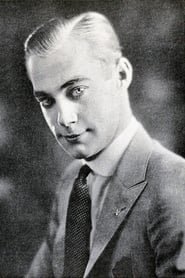
- Al St. John, who appears in the film, was Arbuckle's nephew and a regular in his comedy ensemble.
- This was a two-reel comedy, meaning it was approximately 20-25 minutes long, which was standard for comedy shorts of the era.
- The film was released during World War I, a time when comedies were particularly popular as escapist entertainment.
- Arbuckle was one of the highest-paid actors in Hollywood during this period, earning thousands of dollars per week.
- The jewelry plot device was a common trope in silent comedies, allowing for visual gags and chase sequences.
- This film is believed to be in the public domain due to its age and lack of copyright renewal.
- The original negative of this film, like many silent films, is believed to be lost, though copies survive in archives.
- Arbuckle directed most of his films during this period, though he often shared or delegated directing duties.
Visual style
The cinematography in 'Oh, Doctor!' reflects the state of filmmaking in 1917, with relatively static camera positions by modern standards but sophisticated use of the medium for its time. The film was likely shot on 35mm film with hand-cranked cameras, allowing for variable speeds that could be adjusted for comic effect. The lighting would have been primarily natural or basic artificial lighting, as more sophisticated lighting techniques were still developing. The cinematographer would have focused on ensuring clear visibility of the physical comedy and facial expressions crucial to silent storytelling. The film probably used some basic camera movement, such as panning to follow action sequences, particularly in the chase scenes. Close-ups would have been used strategically to emphasize emotional moments or comic reactions, particularly for Arbuckle's expressive face.
Innovations
While 'Oh, Doctor!' was not groundbreaking in terms of technical innovation, it demonstrated the professional polish and technical competence of the Comique Film Corporation's productions. The film showcases the sophisticated editing techniques being developed for comedy, particularly in the timing and rhythm of the physical comedy sequences. The effective use of intertitles to advance the plot and provide comic commentary represents the state of the art in silent film storytelling of 1917. The film's special effects, while simple by modern standards, would have included basic techniques like multiple exposure or stop-motion for certain gags. The production design and props, particularly the jewelry that drives the plot, show attention to visual detail that enhanced the storytelling. The film demonstrates the effective use of location shooting combined with studio work, a practice that was becoming more common as Hollywood established itself as the center of American film production.
Music
As a silent film, 'Oh, Doctor!' would have been accompanied by live musical performance during its original theatrical run. The specific musical score would have varied by theater, ranging from a single pianist in smaller venues to full orchestras in premiere houses. Music publishers often produced cue sheets for popular films, suggesting appropriate musical pieces for different scenes. For a comedy like this, the music would have been predominantly light and upbeat, with faster tempos during chase sequences and more romantic themes for the love scenes. Popular songs of 1917 might have been incorporated into the accompaniment if they fit the mood or action on screen. The music would have emphasized the comedic timing and helped convey emotions that couldn't be expressed through dialogue.
Famous quotes
As a silent film, 'Oh, Doctor!' contains no spoken dialogue, but rather intertitles that convey the story and occasional comic observations.
Memorable scenes
- The climactic chase sequence where all characters converge in a frantic pursuit of both the jewelry and each other, showcasing the physical comedy skills of Arbuckle, Keaton, and St. John in a perfectly timed display of slapstick mayhem.
What audiences thought
Audiences in 1917 responded enthusiastically to 'Oh, Doctor!' as they did to most of Arbuckle's comedies during his peak popularity years. The film was a reliable box office draw for theaters programming comedy shorts alongside feature presentations. Arbuckle's gentle, likable screen persona resonated with audiences of the time, who appreciated his less aggressive style compared to some contemporaries. The inclusion of Buster Keaton, even in a supporting role, added to the film's appeal as his reputation was growing among moviegoers. The jewelry heist plot provided the kind of visual spectacle and chase sequences that audiences expected from comedy shorts of the era. The film's themes of romantic entanglement and mistaken identity were familiar and comforting to wartime audiences seeking light entertainment.
Film connections
Influenced by
- Mack Sennett comedies
- Charlie Chaplin films
- Stage comedy traditions
- Vaudeville
- European comedy films
- Earlier Arbuckle shorts
This film influenced
- Later Arbuckle-Keaton collaborations
- Buster Keaton's solo films
- Three Stooges shorts
- Marx Brothers films
- Screwball comedies of the 1930s
Film restoration
Like many films from the silent era, 'Oh, Doctor!' has faced preservation challenges. While not considered a completely lost film, complete, high-quality copies are rare. The film exists in various archives and collections, including the Library of Congress and several film preservation organizations. Some versions may be incomplete or suffer from the deterioration common to nitrate film stock of the era. The film has likely been preserved on safety film and digital formats by archives dedicated to silent cinema. The public domain status of the film has helped ensure its survival through multiple copies and transfers. Restoration efforts have focused on stabilizing existing prints and improving image quality where possible.
Where to watch
- Internet Archive
- YouTube
- Silent Hall of Fame
- Various public domain film websites
- Film archive screenings
- Silent film festivals
- DVD compilations of Arbuckle's work
- Streaming services specializing in classic cinema