
Films
5 films

About Alice Mann
Silent film actress who had an extremely brief but notable career in 1917, appearing exclusively in comedy shorts. She worked primarily as a supporting actress and romantic interest opposite comedian Billy Bowers in a series of films produced by Fox Film Corporation. Her entire filmography consists of five comedy shorts released within a single year, making her short-lived careers in early Hollywood cinema. After her brief stint in films, Alice Mann seemingly vanished from the entertainment industry, with no records of subsequent appearances or career transitions. Her performances, while limited in number, were typical of the slapstick comedy style prevalent in silent era shorts, where she often played the straight woman to the comedic male leads. The brevity of her career suggests she may have been a temporary contract player or someone who quickly decided that film acting was not her intended career path.
The Craft
On Screen
Alice Mann's acting style was typical of silent era comedy supporting players, focusing on expressive facial expressions and physical comedy to complement the slapstick performances of her male co-stars. She often served as the romantic interest or straight woman in comedic situations, using the exaggerated gestures and emotive techniques required for silent film communication.
Milestones
- Appeared in five comedy shorts in 1917
- Worked with comedian Billy Bowers
- Contract player for Fox Film Corporation
Best Known For
Iconic Roles
Must-See Films
Working Relationships
Worked Often With
Studios
Why They Matter
Impact on Culture
Alice Mann's cultural impact is minimal due to her extremely brief career, but she represents the numerous supporting players who populated early Hollywood comedy shorts. Her work contributes to our understanding of the ensemble nature of silent film comedy production, where countless actors like her played crucial supporting roles in the development of American film comedy. She exemplifies the transient nature of early film careers, particularly for women in supporting roles during the silent era.
Lasting Legacy
Alice Mann's legacy is primarily as an example of the many forgotten supporting actors from Hollywood's silent era. While she did not achieve lasting fame, her films survive as part of the historical record of early American comedy shorts. Her brief career serves as a reminder of the thousands of actors who contributed to early cinema but whose names have been lost to time, highlighting the ephemeral nature of fame in the early film industry.
Who They Inspired
Due to her brief career and limited filmography, Alice Mann had minimal direct influence on subsequent actors or filmmakers. However, as part of the early comedy short tradition, she contributed to the development of the supporting actress archetype in American comedy films, a role that would continue to evolve throughout Hollywood's golden age.
Off Screen
Very little is known about Alice Mann's personal life due to the brevity of her film career and the lack of surviving documentation. Her sudden disappearance from the film industry after 1917 suggests she may have married, moved away from Hollywood, or pursued a different career path entirely.
Did You Know?
- Alice Mann's entire film career consisted of only five films, all released in 1917
- All of her films were comedy shorts produced by Fox Film Corporation
- She worked exclusively with comedian Billy Bowers in her known filmography
- Her career lasted approximately one year, making her one of Hollywood's shortest-lived film careers
- None of her films are widely known today, though some may survive in film archives
- She represents a typical example of early Hollywood contract players who appeared briefly then disappeared
- The titles of her films suggest they were part of a comedy series or formula
- Her career began and ended before the end of World War I
- No records exist of her appearing in any films after 1917
- She was active during the transition period when comedy shorts were becoming increasingly popular
Frequently Asked Questions
Who was Alice Mann?
Silent film actress who had an extremely brief career in 1917, appearing in five comedy shorts for Fox Film Corporation, primarily working with comedian Billy Bowers.
What films is Alice Mann best known for?
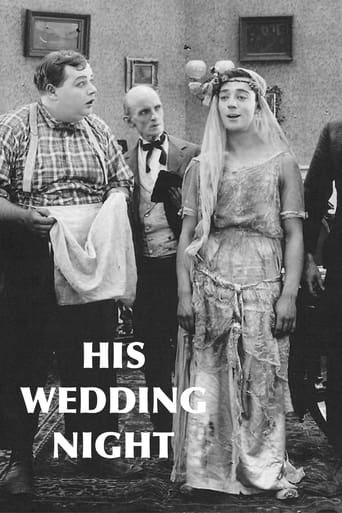
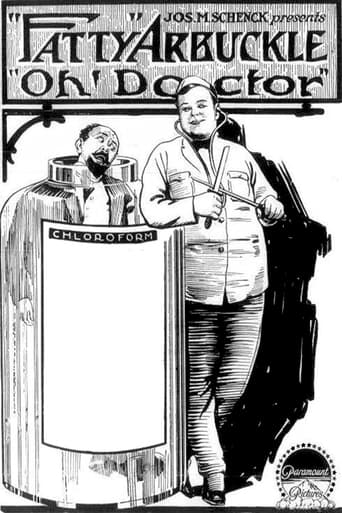
Titles linked here include His Wedding Night (1917), Oh, Doctor! (1917).
When was Alice Mann born and when did she die?
Alice Mann's birth and death dates are unknown, as is much of her biographical information, due to the brevity of her film career and lack of historical documentation.
What awards did Alice Mann win?
Alice Mann did not receive any known awards or nominations during her brief film career in 1917.
What was Alice Mann's acting style?
Alice Mann's acting style was typical of silent era comedy supporting players, using expressive facial expressions and physical comedy to complement the slapstick performances of her male co-stars.
Why did Alice Mann's career end so quickly?
The reason for Alice Mann's abrupt departure from films after 1917 is unknown, but it was common for early Hollywood actors to have brief careers, particularly supporting players who might have moved on to other pursuits.
Did Alice Mann work with any famous actors?
Alice Mann worked primarily with comedian Billy Bowers, who was a popular comedy short actor of the era, though neither achieved lasting fame in Hollywood history.