The Waiters' Ball
Plot
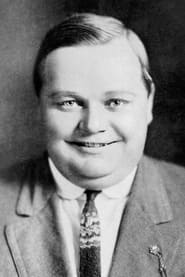
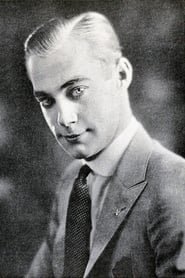
Fatty and Al are both trying to win the attention of the same young woman, but their rivalry becomes especially comic when the prospect of attending the formal Waiters' Ball is introduced. Fatty has the advantage of owning a tuxedo, while Al does not, so the two men must improvise their way through etiquette, wardrobe, and social pretension. As in many of Roscoe Arbuckle's Keystone comedies, the plot is built less around realistic causality than around escalating physical gags, misunderstandings, and competitive slapstick. The attempt to gain entrance to a fancy dance becomes a vehicle for broad comic humiliation, with costumes, status, and romantic competition all fueling the action. The film ends in the familiar silent-comedy mode of chaos overtaking decorum, with the rivalry and the ball itself producing the final comic payoff.
About the Production
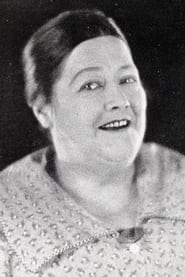
The film was produced during Roscoe 'Fatty' Arbuckle's prolific Keystone period, when short one-reel comedies were made quickly and economically for the silent market. Like many Keystone productions, it was designed around simple situations that could support fast-paced slapstick, improvisation, and physical comedy rather than elaborate sets or narrative complexity. Surviving documentation on precise production details is limited, but the film is associated with the studio's characteristic outdoor shooting, minimal dialogue reliance, and ensemble comic style. The movie also reflects Arbuckle's frequent collaboration with Al St. John, one of his most reliable comic foils, and with Corinne Parquet in a light romantic role.
Historical Background
The Waiters' Ball was released in 1916, during the height of the American silent-comedy short form and just before feature-length comedy would become even more dominant. This was a period when Keystone was helping define the language of screen slapstick: fast pacing, physical exaggeration, social chaos, and destruction of polite behavior. The film reflects the era's fascination with upward mobility, dress codes, and urban leisure culture, using formal entertainment as a comic battleground. Historically, 1916 also sits amid major changes in the film industry, including the rise of star personas and the increasing sophistication of comic timing and production values, even within short films.
Why This Film Matters
While not among Arbuckle's most famous surviving titles, The Waiters' Ball is culturally significant as part of the body of work that helped establish Roscoe Arbuckle as a major comic force before his later feature films and career controversies. It exemplifies the transitional phase in American comedy when physical humor was becoming more character-driven and personality-based rather than purely anarchic. The film also captures silent cinema's enduring fascination with clothing, etiquette, and class performance as sources of humor. For historians, it serves as a representative example of Keystone-era comic construction and the kind of compact one-reel storytelling that shaped audience expectations for screen comedy in the 1910s.
Making Of
The Waiters' Ball was made at a time when Roscoe Arbuckle was one of Keystone's most bankable comedy stars, and his shorts were typically built around a compact premise that could be staged efficiently and played for broad visual laughs. Production likely relied on the studio's established method of quick scripting, rapid shooting, and heavy dependence on performers' timing and physical inventiveness. Arbuckle and Al St. John had a particularly effective comic chemistry, with Arbuckle's more imposing physical presence contrasting nicely with St. John's wiry, elastic style. Because so many Arbuckle shorts were made under studio conditions with limited surviving paperwork, the exact behind-the-scenes record is incomplete; however, the film clearly fits the Keystone formula of simple social inconvenience becoming an arena for slapstick escalation.
Visual Style
The film's cinematography would have followed the standard visual style of mid-1910s Keystone comedies: fixed or minimally mobile camera placement, clear staging, and emphasis on body movement within the frame. The visual humor depends on readable blocking and the ability to capture broad gestures, costume contrasts, and comic reactions without elaborate editing. As with many silent shorts of the period, the camera serves the performers rather than drawing attention to itself, allowing the physical comedy to play in long, legible shots. Any appeal in the imagery likely comes from contrast between formal dress and slapstick disorder rather than from sophisticated camera movement or lighting design.
Innovations
The film does not appear to be associated with major technical innovations, but it is notable as part of the refinement of silent slapstick form in the 1910s. Its technical achievement lies in the precise visual setup of comic situations that could be understood instantly by audiences across language barriers. The short format demanded efficient storytelling, and the film likely used tightly structured gags, performance timing, and simple but effective staging to create momentum. In that sense, its craftsmanship reflects the maturation of screen comedy as a disciplined visual art rather than a technically experimental work.
Music
As a 1916 silent film, The Waiters' Ball had no synchronized recorded soundtrack. In original exhibition, it would have been accompanied by live music from a theater pianist, organist, or small ensemble, with the selection typically improvised or drawn from cue sheets and commonly used photoplay music. Modern screenings may use archival accompaniment created by silent-film musicians, though specific surviving score documentation for this title is not widely noted. The musical mood would generally have supported the comic tempo and physical rhythm of the action.
Memorable Scenes
- The central comic premise in which Fatty's tuxedo becomes the key advantage in a competition for a date to the formal Waiters' Ball.
- The escalating rivalry between Fatty and Al as they attempt to outmaneuver each other while navigating the social requirements of the event.
- The likely arrival-and-disruption sequence at the ball, where etiquette and slapstick collide in classic Keystone fashion.
Did You Know?
- The film is a short silent comedy from Roscoe Arbuckle's Keystone years, a period when he made numerous one-reel slapstick films in rapid succession.
- Al St. John, who appears here as Arbuckle's comic rival, was Arbuckle's real-life nephew and one of silent comedy's most agile physical performers.
- The premise hinges on a class-and-status joke: formal evening wear becomes a barrier to romance and social success.
- The film is a good example of Keystone comedy's fondness for simple setups that explode into frantic physical business.
- Corinne Parquet appears as the female lead, part of the recurring pattern in which Arbuckle's films paired him with a romantic interest while two male characters competed for attention.
- Like many early comedy shorts, the film survives in references and catalog listings, but detailed scene-by-scene documentation is sparse compared with later feature films.
- The Waiters' Ball belongs to the era when silent comedians often used dance halls, parties, and public gatherings as ideal settings for escalating disorder.
- The title itself suggests a specific social occasion, but the comedy is rooted in costume trouble and social aspiration rather than in the actual mechanics of the event.
What Critics Said
Contemporary reviews for many short Keystone comedies were often brief, trade-oriented, and focused more on star appeal and exhibitor value than on detailed critical analysis, and specific surviving reviews for this title are limited. In retrospect, the film is appreciated primarily by silent-cinema historians as a representative Arbuckle short rather than as a major landmark. Modern evaluation tends to emphasize its value as an example of early slapstick craftsmanship, star persona development, and the comic interplay between Arbuckle and St. John. Because the film is not as widely circulated as Arbuckle's best-known work, its critical reputation is generally based on archival interest rather than mainstream criticism.
What Audiences Thought
There is no detailed surviving box-office record for the film, but short Arbuckle comedies were generally popular attractions in the silent era, especially when paired with strong physical gags and a familiar comic star. Audiences of the time likely responded to the relatable embarrassment of not having the proper clothes for a formal event, as well as to the energetic rivalry between the two men. Today, audience reception is mostly limited to silent-film enthusiasts, archivists, and classic-comedy viewers who encounter the film through retrospectives or archival circulation. Its appeal remains in the immediacy of visual humor and the easy-to-grasp social situation that can be understood even without intertitles.
Film Connections
Influenced By
- Stage farce traditions
- Vaudeville comedy
- Early Keystone slapstick conventions
- Music-hall comedy
This Film Influenced
- Later slapstick shorts built around social embarrassment and formalwear gags
- Roscoe Arbuckle's later feature comedies
- The broad romantic rivalry structure used in many silent and sound comedies
You Might Also Like
More Comedy Films
View allMore from Roscoe 'Fatty' Arbuckle
View allFilm Restoration
The film is generally regarded as surviving in archival or circulating form, though availability may be limited and print quality can vary, as with many silent-era shorts. It is not among the best-known lost Arbuckle titles, but it remains a lesser-circulated early comedy that is primarily of historical interest to silent-film archives and enthusiasts.