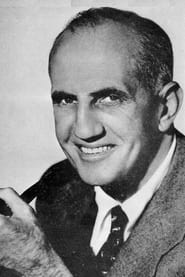
George Marshall
Actor & Director
Born: December 29, 1891 in Chicago, Illinois, USA Died: February 17, 1975 Active: 1916-1968 Birth Name: George Stanley Marshall
Films
2 films
About George Marshall
Prolific American film director: nearly five decades of Hollywood's golden age. Born in Chicago in 1891, he began working in films during the silent era and successfully transitioned to sound pictures, directing over 180 films throughout his career. Marshall demonstrated remarkable versatility across genres, excelling in westerns, comedies, musicals, and dramas. He worked with many of Hollywood's biggest stars including James Stewart, Bob Hope, Bing Crosby, Jerry Lewis, and Marlene Dietrich. His 1941 musical comedy 'Pot o' Gold' showcased his ability to blend music and comedy effectively. Marshall was particularly known for his efficient directing style and ability to deliver commercially successful films on tight schedules. His career continued through the 1960s, making him one of Hollywood's most durable and respected journeyman directors.
The Craft
Behind the Camera
George Marshall was known for his efficient, no-nonsense approach to directing, with a particular talent for comedy timing and pacing. He had a reputation for being a 'studio director' who could deliver quality films on schedule and within budget. His style emphasized clarity and entertainment value, with a keen understanding of how to showcase star performers. Marshall was particularly adept at blending humor with action, especially in his westerns and comedies. He favored straightforward storytelling techniques that appealed to mainstream audiences while maintaining professional polish.
Milestones
- Directed over 180 films in his career
- Successfully transitioned from silent to sound films
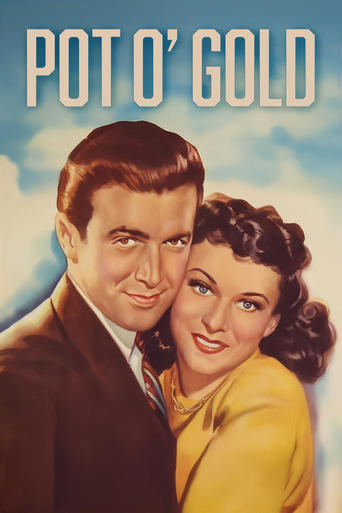
- Directed James Stewart in 'Pot o' Gold' (1941)
- Worked extensively with Bob Hope and Bing Crosby
- Directed multiple films with Jerry Lewis
- Known for both westerns and comedies
- Directed Marlene Dietrich in 'Destry Rides Again' (1939)
Best Known For
Must-See Films
Accolades
Won
- Directors Guild of America Honorary Life Member Award
Nominated
- Academy Award for Best Assistant Director (1933)
Special Recognition
- Hollywood Walk of Fame star (located at 7048 Hollywood Blvd)
- Directors Guild of America Lifetime Achievement Award
Working Relationships
Worked Often With
Studios
Why They Matter
Impact on Culture
George Marshall's impact on cinema lies primarily in his contribution to the Hollywood studio system's efficiency and versatility. As. His successful collaborations with major comedy teams like Hope and Crosby, and Martin and Lewis, helped shape the American comedy film landscape. Marshall's westerns, particularly his work with James Stewart, contributed to the evolution of the genre beyond traditional formulas. His ability to consistently deliver commercially successful films made him an invaluable asset to the studio system during its golden age.
Lasting Legacy
George Marshall's legacy is that of the consummate Hollywood professional - a director who could be counted on to deliver quality entertainment regardless of genre. With over 180 directing credits, he represents the pinnacle of studio-era productivity and versatility. His films continue to be appreciated for their craftsmanship and entertainment value, particularly his comedies and westerns. Marshall's career shows the importance of reliability and adaptability in the Hollywood system. While perhaps not as celebrated as some of his contemporaries, his body of work represents a significant contribution to American cinema's golden age.
Who They Inspired
Marshall influenced subsequent generations of directors through his demonstration of how to maintain quality while working within the constraints of the studio system. His efficient directing methods and ability to work across genres became a model for journeyman directors. His successful collaborations with comedy teams helped establish conventions for the comedy film genre that would influence filmmakers for decades. Marshall's westerns, particularly those blending humor with traditional western elements, paved the way for later revisionist approaches to the genre.
Off Screen
George Marshall was married twice during his lifetime. He was known in Hollywood as a reliable professional who maintained good relationships with studios and actors alike. Unlike many Hollywood figures of his era, Marshall avoided scandal and maintained a reputation as a steady, dependable filmmaker. He retired from directing in the late 1960s after a career that established him as one of Hollywood's most prolific journeymen directors.
Education
Limited formal education, learned filmmaking through on-the-job experience in early Hollywood
Family
- Irene Miller (1919-1931)
- Bee Stevens (1937-1975)
Did You Know?
- Directed over 180 films in his career, making him one of Hollywood's most prolific directors
- Started as an actor before moving behind the camera
- Worked as an assistant director to John Ford early in his career
- Directed the famous 'bathing beauty' sequence in 'Destry Rides Again' with Marlene Dietrich
- Was known for completing films on time and under budget
- Often worked uncredited as a script doctor on films he directed
- Served as president of the Directors Guild of America from 1950-1951
- His final film was 'The Wackiest Ship in the Army' (1960) as a TV series director
- Was particularly skilled at directing musical sequences despite not being a musical specialist
- His efficiency earned him the nickname 'One-Take Marshall' among some crew members
In Their Own Words
I'm not an artist, I'm a craftsman. I make good, solid entertainment that people will enjoy.
The secret to directing is knowing what you want and getting it quickly - time is money in this business.
Every picture has its own problems. The trick is to solve them before they become disasters.
Working with stars isn't difficult if you remember they're there to sell the picture, not to be your best friend.
Frequently Asked Questions
Who was George Marshall?
Prolific American on YTB.my. He was known for his efficiency and versatility as a studio director.
What films is George Marshall best known for?
Titles linked here include Pot o' Gold (1941), Destry Rides Again (1939).
When was George Marshall born and when did he die?
Born December 29, 1891; died February 17, 1975.
What awards did George Marshall win?
Marshall received a Directors Guild of America Honorary Life Member Award and has a star on the Hollywood Walk of Fame. He was also nominated for an Academy Award for Best Assistant Director in 1933.
What was George Marshall's directing style?
Marshall was known for his efficient, professional directing style with excellent comedy timing. He was a versatile studio director who could work across genres while maintaining quality and delivering films on schedule and within budget.