Robert Maximillian
Actor
- Active
- 1916-1916
Films 1
About Robert Maximillian
Robert Maximillian appears to have been a very obscure performer associated with the silent-film era, with the available record in surviving film-reference sources indicating only one credited screen appearance: The Waiters' Ball (1916). Beyond that single credit, there is no reliable biographical record readily attributable to him in major classic-cinema reference sources, which suggests he may have been a bit player, extra, or short-lived stage-to-screen performer whose career did not extend into widely documented features or star vehicles. Because the surviving evidence is so sparse, it is not possible to reconstruct a full life story, family background, or subsequent career with confidence without risking confusion with similarly named individuals. His name does, however, place him firmly in the early silent period, when many actors worked anonymously or semi-anonymously in one-off short subjects, comedies, and vaudeville-adjacent productions. As with many minor figures from 1910s cinema, his contribution is historically important less for celebrity than for illustrating the large, often undocumented workforce that sustained the earliest film industry. Any deeper biographical details would require verification from contemporaneous trade papers, studio records, or archival cast listings.
More about Robert Maximillian
In film history
Robert Maximillian's cultural impact is difficult to measure because the historical record preserves only a single known film credit. Even so, figures like him represent an important part of silent-cinema history: the many performers whose work supported short subjects and early comedy productions without leaving behind the extensive publicity trails enjoyed by stars. His surviving credit in The Waiters' Ball (1916) places him within the bustling ecosystem of the 1910s film industry, when local theater performers, vaudevillians, and studio day players often moved in and out of productions with little documentation. In that sense, his legacy is archival as much as artistic, reminding researchers how much of early cinema remains fragmentary and how dependent film history is on surviving credits and trade references.
Later reputation
The lasting legacy of Robert Maximillian is primarily one of historical documentation rather than celebrity. He is part of the broad, under-recorded foundation of silent-era performers whose names survive in cast lists even when their biographies do not. For film historians, such figures are significant because they help map the labor networks of early American cinema and underscore how many contributors have been lost to incomplete archival preservation. His name remains of interest chiefly to researchers of The Waiters' Ball and to those tracing the many minor players who populated 1910s screen comedy and short-form production.
Influence
There is no evidence that Robert Maximillian exerted a documented influence on later actors or directors, at least not in the surviving mainstream reference record. Any influence he may have had would most likely have been local, informal, or unrecorded, as was common among minor silent-era performers. His broader influence is indirect: he stands as an example of the countless supporting or uncredited workers whose performances helped establish acting conventions and production practices in early cinema.
Off screen
No reliable, verifiable information has been found regarding Robert Maximillian's personal life, including family background, marriages, children, residence, or activities outside film. Given the extremely limited surviving record, it is not possible to state whether he maintained a parallel stage career, worked under another name, or later left the entertainment business. Any claims about his private life would be speculative and are therefore omitted.
Credits
- Credited screen appearance in the silent-era production The Waiters' Ball (1916)
- Participation in early 20th-century film production during the formative silent-film period
- Documented presence in surviving filmography records despite otherwise sparse biographical information
Roles
- Role in The Waiters' Ball (1916)
Films
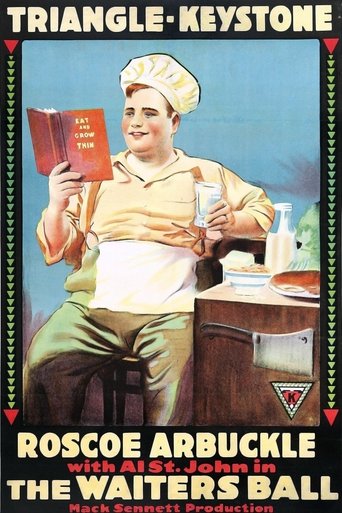
- The Waiters' Ball (1916)
Notes
- Robert Maximillian is known in surviving film-reference material only for a single 1916 screen credit.
- His only documented film association is The Waiters' Ball (1916), making him an extremely obscure silent-era figure.
- No birth or death information is readily verifiable from major classic-cinema reference sources.
- His obscurity is typical of many early film performers whose work was not extensively publicized in the silent era.
- Because the name is uncommon in surviving film records, researchers should be careful not to confuse him with similarly named people from later periods.
- His surviving credit helps illustrate how many 1910s screen actors worked in brief or one-off appearances that left little archival footprint.
Questions
Who was Robert Maximillian?
Robert Maximillian was a very obscure silent-era actor known from surviving film-reference material for a credited appearance in The Waiters' Ball (1916). Beyond that, reliable biographical information is extremely limited, and he does not appear to have had a widely documented later career.
What films is Robert Maximillian best known for?
He is best known, in the surviving record, for The Waiters' Ball (1916), which appears to be his only documented film credit. No additional verified screen credits are readily attributable to him from major classic-cinema sources.
When was Robert Maximillian born and when did he die?
His birth and death dates are not currently verifiable from the available classic-cinema reference record. Because the surviving documentation is so sparse, it is not possible to confirm his place of birth or whether he is deceased.
What awards did Robert Maximillian win?
No awards or nominations are known for Robert Maximillian in the surviving historical record. This is not unusual for minor silent-era performers, many of whom worked before formal awards systems existed or without enough publicity to be documented.
What was Robert Maximillian's acting style?
There is no surviving descriptive criticism that clearly identifies his personal acting style. Given the era and the type of credit preserved, he likely worked within the broad expressive conventions of silent-era screen performance, but any more specific description would be speculative.
What is Robert Maximillian's legacy in film history?
His legacy is primarily archival: he represents the many early film performers whose names survive in cast lists even when their biographies do not. For historians, that makes him a small but meaningful part of the documentary record of silent cinema.