The Hayseed
"Buster is the manager of a post office and general store in a provincial town where…"
Keys: Space play/pause · ←/→ 10s · F fullscreen · M mute · </> speed
About this film
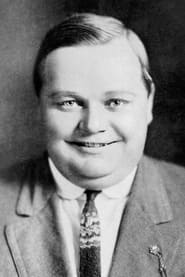
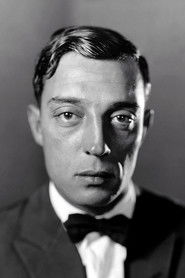
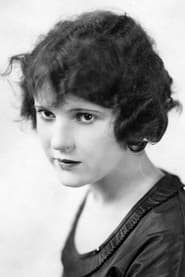
Buster is the manager of a post office and general store in a provincial town where Fatty works as the mailman. While delivering his letters for the day, Fatty stops to see his girlfriend Fanny on her farm. There they play a game of hide-and-seek.
Cast & crew
More films like this
More Comedy films
View all →







More from Roscoe 'Fatty' Arbuckle
View all →
More about this film
About the production
Release dateJune 30, 1919
Box officeUnknown - but was commercially successful as part of Arbuckle's popular series
ProductionComique Film Corporation, Paramount Pictures (distributor)
Filmed inLos Angeles, California, Burbank, California
This was one of the early collaborations between Arbuckle and Keaton, filmed during their peak creative partnership at Comique. The production utilized actual rural locations near Los Angeles to achieve authentic countryside atmosphere. The store set was built specifically for this film and reused in several subsequent Comique productions. The film was shot in just a few days, typical of the rapid production schedule of two-reel comedies during this period.
Themes
Rural vs. urban valuesFriendship and loyaltyJustice vs. corruptionRomantic competitionInnocence and playfulness
Themes & topics
mail carriergeneral storethefthide-and-seekchaserural comedyconstableromantic rivalryphysical comedysilent film
Historical background
The Hayseed (1919) emerged during the silent-film era. Buster is the manager of a post office and general store in a provincial town where Fatty works as the mailman. Archival records and catalog entries help place the work within film-history surveys of the period.
Why this film matters
Preserved under Wikidata ID Q957591, The Hayseed is valued as a comedy within catalog and archive collections. Wikipedia's "The Hayseed" entry connect it to broader histories of cinema exhibition and restoration.
Making of
The production of 'The Hayseed' exemplified the efficient workflow of the Comique Film Corporation under Arbuckle's direction. Arbuckle and Keaton had developed a remarkable working chemistry by this point, often collaborating on gags and stunts during filming. The hide-and-seek sequence between Arbuckle and Molly Malone was reportedly filmed over an entire day, with Arbuckle encouraging improvisation to capture genuine comedic moments. The store set was constructed with breakaway elements to facilitate the physical comedy, a technique Arbuckle had perfected. Buster Keaton, who was still learning the ropes of film comedy, contributed significantly to the film's sight gags, particularly the mirror sequence and his deadpan reactions to the unfolding chaos. The film was shot during the summer of 1919, taking advantage of the California countryside for exterior shots. The production team faced challenges with the outdoor lighting conditions, often having to shoot scenes quickly to maintain consistent sunlight. Despite these constraints, the film showcases the sophisticated comedic timing and physical prowess that would make both Arbuckle and Keaton legends of silent comedy.
What critics said
Trade and archival sources offer limited day-one review coverage for The Hayseed. Modern reception rests on its availability in collections, repertory screenings, and reference works that document 1919 cinema.
Did you know?
- This was one of the first films where Buster Keaton received prominent billing alongside Arbuckle, marking the beginning of Keaton's rise to stardom
- The hide-and-seek sequence was largely improvised by Arbuckle and Malone, showcasing Arbuckle's talent for spontaneous comedy
- The film's title 'The Hayseed' was a common term for a country person or rural dweller in early 20th century America
- The constable character was played by Arbuckle regular Al St. John, who was actually Arbuckle's nephew
- The mirror gag where Buster witnesses the theft was considered innovative for its time and became a frequently copied technique in later comedies
- This film was part of a series of Arbuckle-Keaton collaborations that would eventually total 17 films between 1917-1920
- The $300 stolen in the plot would be equivalent to approximately $4,800 in 2020 currency
- Molly Malone was one of the few actresses who appeared in multiple Arbuckle-Keaton films during this period
- The film's chase sequence utilized actual country roads, creating more realistic and dangerous stunts than typical studio-bound comedies
- This was one of the last films before Arbuckle's contract with Paramount was renegotiated, giving him more creative control
Visual style
The cinematography in The Hayseed was handled by George Peters, a regular cameraman for Comique productions. The film demonstrates the sophisticated visual style that characterized Arbuckle's productions, with careful composition and framing that enhanced the comedy. The use of deep focus in the store scenes allowed for multiple comedic actions to occur simultaneously, a technique that was relatively advanced for 1919. The exterior sequences took full advantage of natural lighting, creating a warm, authentic rural atmosphere that contrasted with the artificial lighting of studio-bound comedies of the era. The camera work during the chase sequences was particularly noteworthy, employing tracking shots that kept pace with the running performers while maintaining clear visibility of the gags. The innovative use of mirrors and reflections in the theft sequence showed a sophisticated understanding of visual storytelling techniques. The film's visual style balanced clarity with artistic composition, ensuring that every gag was perfectly visible while maintaining an aesthetically pleasing frame.
Innovations
The Hayseed featured several technical innovations for its time, particularly in its use of location shooting and sophisticated gag construction. The film's mirror sequence, where Buster witnesses the theft through a reflection, demonstrated advanced understanding of spatial relationships and visual storytelling. The production employed early forms of multiple camera coverage for complex action sequences, allowing for more dynamic editing of the chase scenes. The breakaway props and specially constructed set pieces for physical comedy represented significant advances in production design for comedy films. The film's seamless integration of location shooting with studio work showcased the growing sophistication of film production techniques in the late 1910s. The timing and coordination required for the film's elaborate physical gags represented a high level of technical achievement in choreographing complex action sequences. The film also demonstrated early mastery of continuity editing, maintaining clear spatial relationships during rapid movements and chase sequences.
Music
As a silent film, The Hayseed would have been accompanied by live musical performances during its original theatrical run. Typical scores for Arbuckle comedies included popular songs of the era, classical pieces, and specially composed mood music. The general store scenes would likely have featured light, jaunty tunes to match the playful atmosphere, while the chase sequences would have been accompanied by frantic, upbeat music to heighten the excitement. The romantic interludes between Arbuckle and Molly Malone would have been underscored with sentimental melodies common to the period. The constable's sneaky theft would have been accompanied by sneaky, staccato musical phrases typical of villainous scenes in silent cinema. Modern restorations and screenings of the film typically feature newly composed scores by silent film accompanists or period-appropriate compiled scores using authentic music from 1919.
Famous quotes
(Silent film - no dialogue quotes available, but famous visual gags include the mirror theft sequence and Arbuckle's hide-and-seek antics)
Memorable scenes
- The opening sequence where Arbuckle struggles with his mail bag while riding a bicycle, showcasing his physical comedy prowess
- The hide-and-seek game between Arbuckle and Molly Malone in the countryside, demonstrating playful romantic chemistry
- The innovative mirror sequence where Buster Keaton observes the constable's theft through a clever reflection
- The chaotic chase finale through the rural landscape, featuring both Arbuckle and Keaton in pursuit of the corrupt constable
- The store management scenes where Keaton's deadpan reactions to customer demands create subtle comic moments
What audiences thought
The Hayseed was extremely popular with contemporary audiences, drawing large crowds in theaters across America as part of Arbuckle's consistently successful series. Moviegoers of the era particularly enjoyed the film's rural setting and relatable characters, which provided a comforting contrast to the rapid modernization occurring in American society. The chemistry between Arbuckle and Keaton was a major draw, with audiences responding enthusiastically to their contrasting comedic styles - Arbuckle's exuberant clowning perfectly complemented by Keaton's stoic deadpan reactions. The film's chase sequences and physical gags generated significant laughter and applause in theaters, with many audience members requesting repeat viewings. The film's success contributed to the growing popularity of both comedians, helping establish Keaton as a star in his own right. Modern audiences who view the film through retrospectives and silent film festivals continue to appreciate its timeless humor and the remarkable physical comedy skills of its performers.
Film connections
Influenced by
- Mack Sennett's Keystone comedies
- Charlie Chaplin's character development
- Harold Lloyd's everyday man comedy
- Stage farce traditions
- Vaudeville comedy routines
This film influenced
- The 'General Store' comedy subgenre
- Later Keaton solo films like 'The General'
- Laurel and Hardy's rural comedies
- The Three Stooges' store-based shorts
- Modern physical comedy films
Film restoration
The Hayseed survives in complete form and has been preserved by several film archives, including the Library of Congress and the Museum of Modern Art. The film exists in 35mm prints and has been transferred to digital formats for modern viewing. Some versions show signs of nitrate deterioration typical of films from this era, but the overall quality remains quite good. The film has been included in several home video releases of Arbuckle and Keaton collections, ensuring its accessibility to modern audiences. The preservation status is considered stable, with multiple copies existing in archives worldwide.
Where to watch
- The film is available on DVD in 'The Arbuckle & Keaton Collection' from Kino Lorber
- Streaming on Amazon Prime Video as part of silent film collections
- Available on YouTube through authorized channels
- Included in The Criterion Channel's silent comedy programming
- Available for viewing at film archives and museums specializing in silent cinema
- Digital copies accessible through university film studies programs