
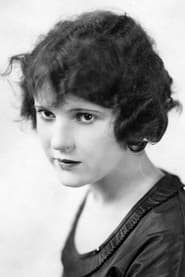
Molly Malone
Actor
Born: December 19, 1897 in Wisconsin, United States Died: February 21, 1952 Active: 1917-1920 Birth Name: Mollie Malone
Films
7 films
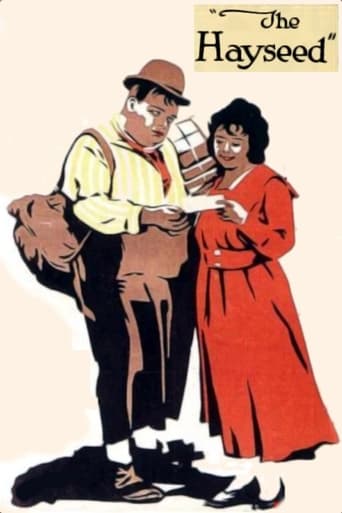
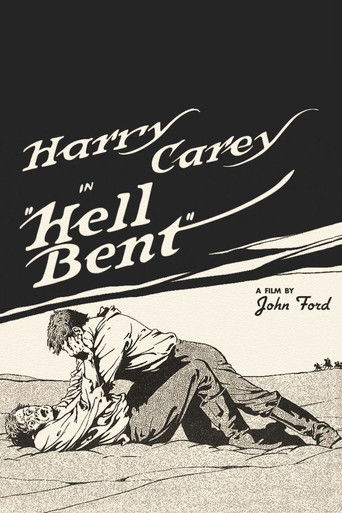
About Molly Malone
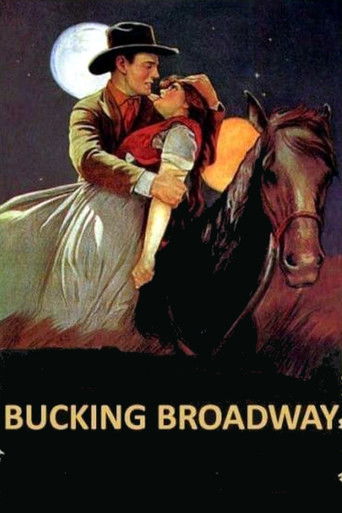
American silent film actress who rose to prominence during the late 1910s, primarily known for her collaborations with director John Ford. Born in Wisconsin in 1897, she began her film career at Universal Pictures and quickly became one of Ford's favorite leading ladies during his formative years as a director. Malone appeared in numerous westerns and dramatic shorts between 1917 and 1920, establishing herself as a reliable presence in early Hollywood cinema. Her most significant work came in 1917-1918 when she starred in several of Ford's early masterpieces, including 'Straight Shooting' and 'Bucking Broadway.' After marrying fellow actor Jack Hoxie in 1920, she gradually retired from acting to focus on her personal life. Her career, though brief, spanned approximately 20 films and on the early western genre. Malone passed away in 1952 at the age of 55, leaving behind a legacy as one of the unsung heroines of silent cinema.
The Craft
On Screen
Molly Malone embodied the classic silent film heroine archetype with her expressive eyes and naturalistic presence. Her acting style was characterized by subtle emotional conveyance through facial expressions and body language, which was essential in the pre-dialogue era. She often portrayed strong, independent female characters who could hold their own alongside rugged male leads in western settings. Malone's performances were marked by a certain authenticity and lack of theatrical exaggeration that set her apart from many of her contemporaries.
Milestones
- Starred in John Ford's directorial debut 'Straight Shooting' (1917)
- Appeared in multiple early John Ford westerns
- Worked extensively with Universal Pictures during the silent era
- Married fellow western star Jack Hoxie in 1920
- Retired from acting at the height of her early career
Best Known For
Iconic Roles
Must-See Films
Accolades
Special Recognition
- Recognized as an important figure in early John Ford filmography
Working Relationships
Worked Often With
Studios
Why They Matter
Impact on Culture
Molly Malone's cultural impact lies primarily in her contribution to the early development of the western film genre and her role in John Ford's formative years as a director. As one of Ford's first leading ladies, she helped establish the visual and narrative language that would define American westerns for decades. Her performances in films like 'Straight Shooting' and 'Bucking Broadway' demonstrated how female characters could be integral to western storytelling, not merely romantic interests but active participants in the narrative. Malone's work during this crucial period of cinema history helped bridge the gap between the primitive early westerns and the more sophisticated genre entries of the 1920s and beyond.
Lasting Legacy
Molly Malone's legacy is that of a actress who played a significant role in the early development of American cinema, particularly the western genre. Though her career was brief, her collaborations with John Ford during his most formative years as a director have ensured her place in film history. Film historians and cinema scholars recognize her as an important figure in understanding Ford's evolution as a filmmaker and the development of the western genre. Her performances continue to be studied in film schools and by silent cinema enthusiasts as examples of early American screen acting at its most authentic.
Who They Inspired
While Molly Malone's direct influence on subsequent generations of actors is difficult to trace due to her early retirement, her work with John Ford influenced the way female characters would be portrayed in westerns for decades. Her naturalistic acting style helped move away from the theatrical excesses common in early cinema toward more subtle, realistic performances. The strong female characters she portrayed paved the way for more complex and empowered women in western films throughout the silent era and into the sound period.
Off Screen
Molly Malone married fellow western film star Jack Hoxie in 1920, which marked the beginning of her transition away from acting. The marriage was significant in Hollywood circles as it united two rising stars of the western genre. After her marriage, Malone gradually reduced her film appearances, eventually retiring completely to focus on her role as a wife. She and Hoxie remained married until her death in 1952. Malone's decision to leave Hollywood at a relatively young age was not uncommon for actresses of her era, many of whom prioritized family over career longevity.
Family
- Jack Hoxie (1920-1952)
Did You Know?
- Molly Malone was one of John Ford's first regular leading ladies before he became a legendary director
- She appeared in Ford's directorial debut 'Straight Shooting' in 1917
- Her real name was spelled 'Mollie' rather than 'Molly'
- She retired from acting at age 23 after marrying Jack Hoxie
- Many of her films are now considered lost, a common fate for silent era productions
- She worked primarily for Universal Pictures during her brief career
- Malone was known for her ability to ride horses and perform her own stunts in westerns
- Her active years covered only about three years but included nearly 20 films
- She was part of the early Hollywood community that transitioned from short films to feature-length productions
- Malone's films with Harry Carey helped establish the star power of both actors
Frequently Asked Questions
Who was Molly Malone?
American silent film actress active from 1917 to 1920, best known for her work in early John Ford westerns. She was one of Ford's first regular leading ladies and appeared in approximately 20 films before retiring at age 23 to marry fellow actor Jack Hoxie.
What films is Molly Malone best known for?
Titles linked here include Straight Shooting (1917), Bucking Broadway (1917).
When was Molly Malone born and when did she die?
Born December 19, 1897; died February 21, 1952.
What awards did Molly Malone win?
Molly Malone did not receive any major awards during her career, as she worked during the early silent era before many prestigious film awards were established. However, her contributions to early cinema and her work with John Ford have been recognized by film historians as historically significant.
What was Molly Malone's acting style?
Molly Malone's acting style was characterized by naturalism and subtlety, which set her apart from many of her contemporaries in the silent era. She used expressive facial features and body language to convey emotion, often portraying strong, independent female characters in western settings with authenticity rather than theatrical exaggeration.