
Out West
"Fatty in Mad Dog Gulch"
Keys: Space play/pause · ←/→ 10s · F fullscreen · M mute · </> speed
About this film
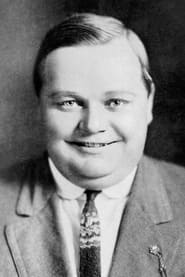
Thrown off a train and chased through the sagebrush, Roscoe Arbuckle reaches the western town of Mad Dog Gulch and teams with saloon gambler Bill Bullhum to shield Salvation Army worker Salvation Sue from outlaw Wild Bill Hickup.
Cast & crew
More films like this
More Comedy films
View all →







More from Roscoe 'Fatty' Arbuckle
View all →
More about this film
About the production
Release dateMarch 18, 1918
ProductionComique Film Corporation
Filmed inLos Angeles, California, San Fernando Valley, California
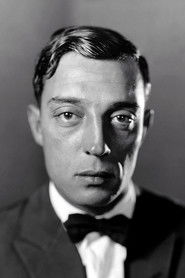
This was one of the many short comedies produced by Comique Film Corporation, which was founded by Joseph Schenck specifically to showcase Roscoe Arbuckle's talents. The film was shot during the golden age of silent comedy, taking advantage of the California landscape for western settings. The production utilized the expertise of Arbuckle's regular team, including Buster Keaton who was developing his own comic persona under Arbuckle's mentorship.
Themes
Themes & topics
Western ParodySalvation ArmyTicklingTrainIndiansGamblingSaloonChaseComedy DuoSmall TownVillainHeroPhysical Comedy
Historical background
Out West reached screens around 1918, produced in its country of origin. Silent-era houses paired such titles with live music and newsreel bills. Wartime or military themes reflected anxieties visible in contemporary programming.
Why this film matters
Researchers cite Out West when tracing screen culture of its decade.
Making of
The making of 'Out West' showcased the remarkable chemistry between Arbuckle and Keaton, who were developing their complementary comic styles. Arbuckle, already an established star and director, took Keaton under his wing, teaching him the art of physical comedy and film technique. The production was relatively quick, as was typical for two-reel comedies of the era, usually completed in just a few days. The Indian chase sequence was filmed using local Native American extras from the Los Angeles area, a common practice at the time. The famous tickling scene required multiple takes to perfect the timing and physical comedy, with Arbuckle and Keaton experimenting with different approaches to maximize the humor. The film's production benefited from the efficiency of the studio system that was developing in Hollywood, allowing for rapid turnaround while maintaining quality entertainment.
What critics said
Reviewers in 1918 weighed Out West on clarity, pacing, and audience response rather than prestige status. No single canonical review dominates later reference works for the title.
Did you know?
- This film features one of the earliest collaborations between comedy legends Roscoe Arbuckle and Buster Keaton, who would later become major stars in their own right
- The character name 'Wild Bill Hickup' is a parody of the famous Wild West figure Wild Bill Hickok
- The film was part of Arbuckle's highly successful series of two-reel comedies that were among the most popular short films of their era
- Despite being a western parody, the film was shot entirely in California, not on actual western locations
- The tickling sequence at the film's climax became among the leading referenced scenes in silent comedy
- Arbuckle was not only the star but also the director, making him one of the early actor-directors in Hollywood
- The film's success helped establish the comedy western as a popular subgenre in silent cinema
- Al St. John, who played the villain, was Arbuckle's nephew and a regular member of his comedy troupe
- The Salvation Army character was based on the real organization's efforts to bring reform to western towns
- This film was released during World War I, providing comic relief to wartime audiences
Visual style
The cinematography of 'Out West' was handled by George Peters, who utilized the visual language of both comedy and western genres. The film employed wide shots to establish the western setting and create scope, while using medium shots for the comedy sequences to ensure the physical gags were clearly visible. The camera work was relatively static, as was typical of the period, but showed sophistication in its composition and framing. The chase sequences utilized tracking shots to enhance the sense of movement and excitement. The cinematography effectively balanced the expansive western landscapes with the intimate comedy moments, creating a visual rhythm that supported the film's dual genre nature. The lighting was naturalistic, taking advantage of California sunshine for outdoor scenes while using studio lighting for interior sequences.
Innovations
While 'Out West' was not revolutionary in its technical aspects, it demonstrated several important achievements in comedy filmmaking of its era. The film showcased advanced understanding of comic timing and pacing, particularly in the synchronization of physical gags with narrative development. The production utilized location shooting effectively, creating authentic western atmosphere while maintaining the controlled environment needed for comedy sequences. The film's editing was particularly noteworthy for its precision in setting up and paying off comic situations, a skill that Arbuckle had developed through his extensive experience in comedy. The choreography of the physical comedy sequences demonstrated sophisticated understanding of spatial relationships and camera positioning, ensuring that gags were visible and effective. The film also showed innovation in its parody of western conventions, using familiar genre elements in unexpected comic ways.
Music
As a silent film, 'Out West' would have been accompanied by live musical performance during its original theatrical run. The typical score would have been compiled from standard photoplay music libraries, with selections chosen to match the mood of each scene. Western scenes would have been accompanied by cowboy songs and frontier-themed music, while comedy sequences would have featured lighter, more playful melodies. The Salvation Army character's appearances would likely have been accompanied by hymn-like music to reflect her religious nature. The film's original cue sheets, if they exist, would have specified particular pieces from publishers like Sam Fox Publishing or other photoplay music providers. Modern restorations of the film are typically accompanied by newly composed scores that attempt to recreate the spirit of the original accompaniments while incorporating contemporary musical sensibilities.
Famous quotes
While there are no recorded spoken quotes from this silent film, intertitles included: 'Wild Bill Hickup - The Terror of Mad Dog Gulch'
Intertitle: 'Salvation Sue - The Angel of the Desert'
Intertitle: 'Fatty arrives - and trouble begins'
Intertitle: 'Even the toughest men have their weaknesses'
Memorable scenes
- The opening sequence where Arbuckle is thrown from the moving train and tumbles comically across the prairie, immediately establishing his character's physical comedy style
- The Indian chase scene that parodies western chase sequences while showcasing Arbuckle and Keaton's developing chemistry
- The saloon confrontation where Arbuckle and Keaton attempt to outsmart Al St. John's character through increasingly elaborate schemes
- The climactic tickling sequence where the heroes discover and exploit the villain's weakness, combining physical comedy with clever problem-solving
- The final scene where Salvation Sue successfully reforms the town, bringing the parody full circle with a traditional western resolution
What audiences thought
Audiences in 1918 enthusiastically received 'Out West,' with the film proving to be a popular attraction in theaters across the country. The combination of western adventure and comedy appealed to a broad demographic, from children to adults. The film's success was part of Arbuckle's incredible popularity during this period, when he was one of the highest-paid and most beloved stars in Hollywood. Contemporary reports indicate that audiences particularly enjoyed the physical comedy sequences and the interplay between the three main characters. The film's humor was accessible enough to transcend regional differences, making it successful in both urban and rural markets. Modern audiences who discover the film through revival screenings and home video appreciate its historical significance and timeless comedy elements.
Film connections
Influenced by
- Mack Sennett comedies
- Charlie Chaplin films
- Western films of the 1910s
- Vaudeville comedy traditions
- Stage melodramas
This film influenced
- Later Arbuckle-Keaton collaborations
- Comedy westerns of the 1920s
- The Marx Brothers' western parodies
- Mel Brooks' 'Blazing Saddles'
- The Three Stooges western shorts
Film restoration
The film survives in complete form and has been preserved by several archives including the Library of Congress and the Museum of Modern Art. Various 16mm and 35mm prints exist, and the film has been restored for home video release. The preservation quality varies among different copies, with some showing the wear typical of films from this era, but the complete narrative is intact and viewable.
Where to watch
- Available on DVD from Kino Lorber as part of their Arbuckle/Keaton collections
- Streaming on Amazon Prime Video
- Available on YouTube through authorized channels
- Part of the Criterion Channel's silent comedy collection
- Available for viewing at film archives and museums with proper film screening facilities