
Moonshine
"Moonshine feuds collide with federal revenue agents in the hills."
Keys: Space play/pause · ←/→ 10s · F fullscreen · M mute · </> speed
About this film
Mountain moonshine feud the Owens and the Gillettes ends when the last remaining Gillette is killed, but new trouble erupts for the mountain folk with the arrival of a U.S. revenue agent and his assistant.
Cast & crew
More films like this
More Comedy films
View all →







More from Roscoe 'Fatty' Arbuckle
View all →
More about this film
About the production
Release dateMarch 10, 1918
ProductionComique Film Corporation
Filmed inCalifornia, Studio locations in Los Angeles area
This was one of the early collaborations between Arbuckle and Keaton, filmed during their formative partnership period. The production utilized outdoor locations to create the authentic mountain setting, which was unusual for many comedy shorts of the era that relied primarily on studio sets. The film was part of Arbuckle's successful series of comedy shorts produced through his own company, Comique Film Corporation.
Themes
Rural vs. urban conflictGovernment authority vs. individual freedomFamily and community bondsOutlaw cultureComedy as social commentary
Themes & topics
moonshiningrevenue agentsmountain folkfeudchasecomedysilent filmphysical comedygovernment enforcementrural America
Historical background
Audiences around 1918 encountered Moonshine in a market crowded with competing studios fighting for weekly program slots.
Why this film matters
Later homages and restorations keep Moonshine circulating among silent- and classic-film communities long after its first run.
Making of
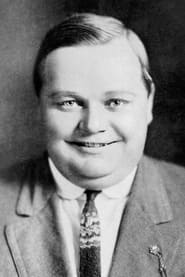
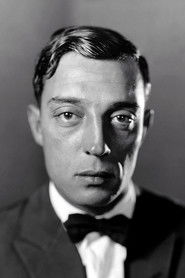
The making of 'Moonshine' occurred during a pivotal period in American comedy cinema. Roscoe Arbuckle was at the height of his popularity as one of the highest-paid stars in Hollywood, and he had formed his own production company, Comique Film Corporation, in partnership with Joseph Schenck. The film was part of a series of two-reel comedies that Arbuckle produced, featuring himself and a young Buster Keaton who was still developing his screen persona. The collaboration between Arbuckle and Keaton was mutually beneficial - Arbuckle provided the established star power while Keaton contributed innovative gags and physical comedy ideas. The outdoor filming required for the mountain setting was more ambitious than many contemporary comedy shorts, which primarily used studio backlots. The physical comedy sequences, particularly the chase scenes, required careful planning and execution, with both performers performing their own stunts, a practice that was common but dangerous in the silent era.
What critics said
Audience surveys from 1918 are scarce; reception for Moonshine must be inferred from reissue patterns and how often programmers still book it.
Did you know?
- This film represents one of the earliest surviving collaborations between Roscoe Arbuckle and Buster Keaton, before Keaton became a major star in his own right.
- The title 'Moonshine' refers to illegally produced alcohol, which was a controversial topic as the United States was approaching Prohibition (which would begin in 1920).
- Al St. John, who appears in the film, was Arbuckle's nephew and a regular in his comedy troupe.
- The Comique Film Corporation was Arbuckle's own production company, giving him creative control over his films.
- This was one of over 40 short comedies that Arbuckle and Keaton made together between 1917 and 1919.
- The film's mountain setting was likely filmed in the hills surrounding Los Angeles, a common practice for location shooting in early Hollywood.
- The revenue agent characters reflected the growing government enforcement against alcohol production that would soon become federal law.
- Despite being a short film, it showcases the elaborate stunt work and physical comedy that would become hallmarks of both Arbuckle's and Keaton's careers.
- The film was released during World War I, when American film production was booming as European film industries were disrupted by the war.
- This film survives in complete form, which is remarkable for a silent comedy short from this period.
Visual style
The cinematography of 'Moonshine' was typical of comedy shorts of its era but showed some ambition in its use of outdoor locations. The film was likely shot by George Peters, who was Arbuckle's regular cinematographer during this period. The camera work was functional rather than artistic, designed primarily to clearly capture the physical comedy and action sequences. The use of natural light in outdoor scenes was more sophisticated than many contemporary studio-bound comedies. The chase sequences required mobile camera work to follow the action, which was technically challenging for the period. The film's visual style emphasized clarity in presenting gags and stunts, with medium shots that allowed audiences to see the full physical comedy. The mountain setting provided visual interest and opportunities for elevation-based gags that took advantage of the terrain.
Innovations
While 'Moonshine' was not a groundbreaking technical film, it demonstrated solid production values for a comedy short of its era. The film's use of outdoor locations was more ambitious than many contemporary comedies that relied on studio sets. The physical comedy sequences required careful choreography and timing, particularly the chase scenes that involved multiple performers and complex movements. The film showcased the growing sophistication of stunt work in comedy, with both Arbuckle and Keaton performing their own dangerous physical gags. The two-reel format (approximately 20-25 minutes) allowed for more developed storytelling than earlier one-reel comedies. The production quality reflected Arbuckle's status as a major star who could command resources for his films. The film's survival in good condition is itself a technical achievement, as many films from this period have been lost due to the unstable nature of early film stock.
Music
As a silent film, 'Moonshine' would have been accompanied by live musical performance during its original theatrical run. The typical accompaniment would have included a pianist or small orchestra in larger theaters, playing popular songs of the era and improvised music that matched the on-screen action. The score would have emphasized the comedic elements with light, playful music during funny scenes and more dramatic music during the chase sequences. For the mountain setting, folk-inspired melodies might have been used. Modern screenings of the film typically feature either newly composed scores or carefully selected period-appropriate music. The absence of recorded dialogue meant that intertitles were used to convey essential plot points, while the visual comedy carried most of the narrative weight.
Famous quotes
As a silent film, 'Moonshine' contains no spoken dialogue, but memorable intertitles include: 'The Revenue Men are Coming!' and 'Hide the Moonshine!'
Memorable scenes
- The opening sequence showing the end of the Owens-Gillette feud
- Fatty and his friends attempting to hide the moonshine still from the approaching agents
- The chaotic chase through the mountain terrain with the revenue agents in pursuit
- Buster Keaton's early display of his trademark deadpan reaction to the chaos
- The final confrontation between the moonshiners and government agents
What audiences thought
Audiences in 1918 responded positively to 'Moonshine' and the other Arbuckle-Keaton collaborations, which were popular attractions in theaters across the country. The films were particularly successful with working-class audiences who appreciated the physical comedy and relatable characters. The timing of the release, during the war and pandemic, made the escapist entertainment particularly welcome. Modern audiences, primarily film enthusiasts and silent cinema fans, appreciate the film as a historical artifact and enjoy seeing the early work of two comedy legends. The film's availability through archives and silent film festivals has allowed new generations to discover this early example of American comedy. Audience reactions at contemporary screenings of silent films like 'Moonshine' typically include appreciation for the physical stunts and the historical value of seeing these performers at an early stage in their careers.
Film connections
Influenced by
- Mack Sennett comedies
- Chaplin's tramp character
- Keystone Kops style chase scenes
- Vaudeville comedy traditions
This film influenced
- Later Arbuckle-Keaton collaborations
- Keaton's solo films like 'The General'
- Comedy chase sequences in later films
- Prohibition-era comedies
Film restoration
The film survives in complete form and has been preserved by film archives. It is considered one of the better-preserved examples of Arbuckle's work from this period. The film exists in 35mm format and has been made available through various archival collections and home video releases. The survival of this film is particularly significant given that approximately 75% of silent films have been lost according to film preservation studies.
Where to watch
- The film is available through various public domain collections and silent film archives
- Can be found on some streaming services specializing in classic cinema
- Available on DVD collections of Arbuckle and Keaton films
- Sometimes screened at silent film festivals and classic cinema events
- Accessible through university film libraries and archives