
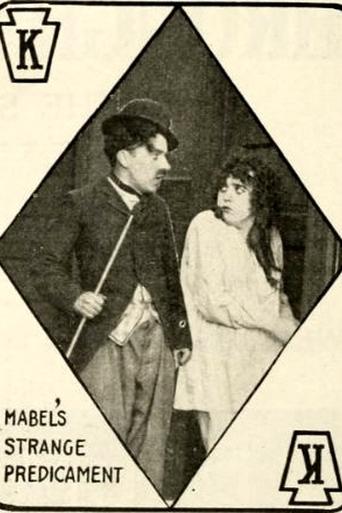
Mabel's Busy Day
"John, Charley Chase, and Mack Sennett"
Keys: Space play/pause · ←/→ 10s · F fullscreen · M mute · </> speed
About this film
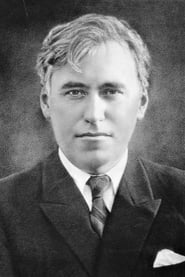
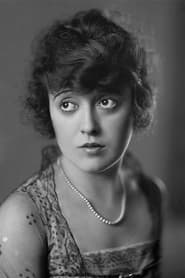
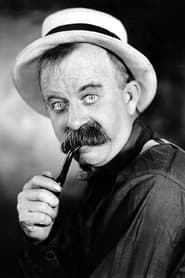
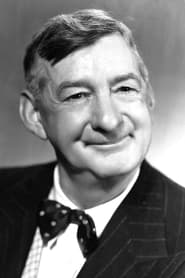
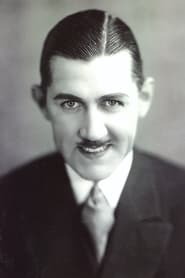
John, Charley Chase, and Mack Sennett. The supporting cast includes Chester Conklin, Slim Summerville, Edgar Kennedy, Al St.
Cast & crew
More films like this

More Comedy films
View all →







More from Mack Sennett
View all →

More about this film
About the production
Release dateJune 13, 1914
Box officeUnknown - Keystone shorts were typically rented to theaters for approximately $25-50 per week
ProductionKeystone Film Company, Mack Sennett Comedies
Filmed inKeystone Studios, Los Angeles, California, Echo Park area, Los Angeles (racing scenes)
This film was shot during the peak of Chaplin's early career at Keystone, when he was still developing his iconic Tramp character. The racing scenes were filmed using actual race cars from the period, with Keystone utilizing their expertise in chaotic crowd scenes. The production utilized Keystone's signature style of improvisation, with many gags developed on set during filming. The hot dog stand sequence required careful coordination to maintain continuity during the rapid-fire comedic exchanges.
Themes
Comedy of errorsCapitalism and entrepreneurshipChaos and orderGender roles in early 20th centuryClass dynamics
Themes & topics
hot dogsauto racingtheftpolice chasevendorcrowd chaosslapsticksilent comedyKeystone StudiosTramp character
Historical background
Mabel's Busy Day (1914) circulated in the silent era. John, Charley Chase, and Mack Sennett. Contemporary trade papers and later preservation notes document its place among nickelodeon and cinema-club programs.
Why this film matters
Mabel's Busy Day remains accessible to researchers and viewers as a comedy short in museum, archive, and streaming collections. Programmers cite it when tracing regional production history and surviving early prints.
Making of
The production of 'Mabel's Busy Day' exemplified the Keystone Studios approach to comedy filmmaking in 1914. Mack Sennett encouraged improvisation on set, allowing Chaplin and Normand to develop gags spontaneously during filming. The racing venue setting provided natural chaos that enhanced the comedic timing. Chaplin, still relatively new to films, was already asserting creative control over his character's development. Normand, a seasoned performer and Sennett's romantic partner at the time, often took uncredited directorial duties on her films. The hot dog distribution sequence required multiple takes to achieve the desired comedic effect, with Chaplin perfecting his physical comedy timing. The film was shot in just a few days, typical of Keystone's rapid production schedule.
What critics said
Day-one reviews for Mabel's Busy Day are sparse in digitized press archives; later criticism treats it as a reference point for 1914 cinema programming and preservation.
Did you know?
- This was one of the first films where Chaplin and Normand shared top billing, showcasing their comedic chemistry
- The film was released just months after Chaplin's film debut in February 1914, demonstrating his rapid rise to stardom
- Mabel Normand not only starred in the film but also co-directed uncredited, as was common for her Keystone productions
- The racing scenes featured actual automobiles from the 1914 Vanderbilt Cup era, adding authenticity to the setting
- This film showcases an early version of Chaplin's Tramp character, before some of his signature elements were fully developed
- The hot dog gags were inspired by actual vendors at early 20th century auto races, a popular spectator sport of the era
- Keystone Studios produced this film during their most productive period, releasing multiple shorts per week
- The police chase sequence utilized Keystone's famous 'Keystone Kops,' though they appear briefly in this film
- This film was part of a series of Chaplin-Normand collaborations that helped establish both as comedy stars
- The original negative was preserved by the Museum of Modern Art in the 1940s as part of their early film collection
Visual style
The cinematography by Frank D. Williams and Enrique Vallejo utilized the mobile camera techniques that Keystone was pioneering in 1914. The racing sequences employed wide shots to capture the scale of the event and the chaos of the crowd. Close-ups were used strategically to highlight Chaplin's facial expressions and reactions, a technique that was still relatively new in cinema. The camera movement during chase scenes was innovative for the period, creating dynamic action sequences. The natural lighting at the outdoor racing venue gave the film an authentic documentary-like quality that enhanced the comedic situations.
Innovations
The film demonstrated Keystone's mastery of location shooting and crowd control, technical skills that were still developing in 1914. The production successfully coordinated multiple action sequences involving numerous extras, vehicles, and principal actors simultaneously. The editing techniques, particularly during the chase sequences, were advanced for the period, creating rhythm and pace that enhanced the comedy. The film's preservation has allowed modern technicians to study early 35mm film stock and processing techniques from the Keystone era. The use of actual racing cars and authentic settings showed a move toward cinematic realism even in comedy productions.
Music
As a silent film, 'Mabel's Busy Day' would have been accompanied by live musical performance during its original theatrical run. Typical theater orchestras would have performed popular songs of the era, classical pieces, and specially composed cue music synchronized with the on-screen action. The racing scenes would have been accompanied by lively marches or ragtime pieces to enhance the excitement. Modern restorations have been scored with period-appropriate music, often featuring compositions by Scott Joplin and other ragtime composers popular in 1914. Some contemporary screenings feature original compositions by silent film accompanists who specialize in recreating the authentic theater experience.
Famous quotes
(Intertitle) Mabel: 'Fresh Hot Dogs! Get your Hot Dogs Here!'
(Intertitle) Chaplin: 'These hungry people need food!'
(Intertitle) Police Officer: 'Stop that man with the hot dogs!'
Memorable scenes
- The opening sequence showing Mabel struggling to sell hot dogs at the chaotic race track
- Chaplin discovering the abandoned hot dog box and his gleeful reaction
- The sequence where Chaplin distributes hot dogs to the increasingly enthusiastic crowd
- Mabel's frantic search for her missing hot dogs through the racing spectators
- The climactic police chase through the race venue with Chaplin dodging authorities while still carrying hot dogs
What audiences thought
The film was well-received by 1914 audiences who were enthusiastic about both Chaplin and Normand. Theater owners reported strong attendance for screenings, particularly as Chaplin's popularity was skyrocketing during this period. The racing setting appealed to contemporary audiences familiar with auto racing culture. The simple premise and physical comedy made the film accessible to diverse audiences, including recent immigrants who could follow the visual humor without language barriers. Modern audiences viewing the film at silent film festivals and in retrospectives have appreciated its historical significance and the opportunity to see early work by comedy legends.
Film connections
Influenced by
- French and Italian slapstick comedies
- Vaudeville performance traditions
- Music hall comedy
- Early Mack Sennett comedies
- Commedia dell'arte character archetypes
This film influenced
- The Champion (1915)
- The Tramp (1915)
- Later Chaplin-Keystone collaborations
- The Fireman (1916)
- The Vagabond (1916)
Film restoration
The film is preserved in the Museum of Modern Art's film archive and has been restored by several institutions including the British Film Institute. Prints are available in 35mm and digital formats. The film is considered complete with no significant lost footage, making it one of the better-preserved Keystone comedies from 1914. Multiple versions exist with slight variations in editing, reflecting different release prints for various markets.
Where to watch
- The Criterion Channel
- YouTube (public domain uploads)
- Kino Lorber DVD collections
- The Internet Archive
- Silent Hall of Fame website
- Flicker Alley streaming service
- Museum of Modern Art film screenings
- Turner Classic Movies broadcast schedule
- Kanopy streaming service
- British Film Institute streaming platform