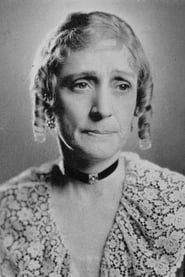
Billie Bennett
Actor
Born: October 23, 1877 in Newark, New Jersey, USA Died: May 19, 1951 Active: 1914-1915
Films
7 films

About Billie Bennett
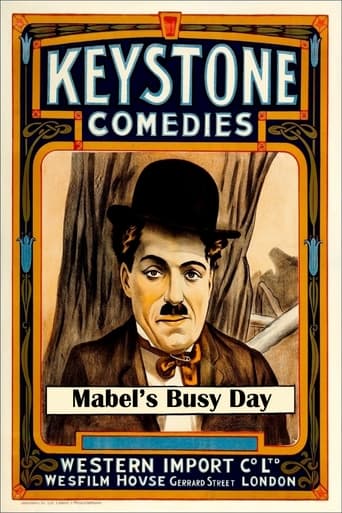
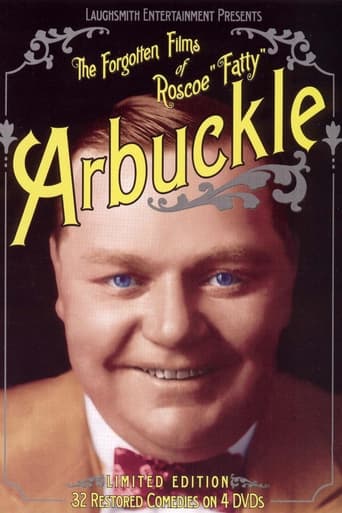
American actress who worked during the early silent film era, primarily with Mack Sennett's Keystone Studios. Her career, though brief, coincided with the golden age of slapstick comedy when Keystone was revolutionizing cinematic humor. Bennett appeared as a supporting actress in numerous comedy shorts between 1914 and 1915, often working alongside performers like Charlie Chaplin, Mabel Normand, and Roscoe 'Fatty' Arbuckle. Her most notable appearances include 'Mabel's Busy Day' (1914) where she played among the chaotic park scenes, and 'Fatty's Chance Acquaintance' (1915) featuring the popular Arbuckle. Like many actresses of her era, she was typecast in comic roles that required expressive physical comedy rather than dialogue. Her filmography, while not extensive, represents the typical trajectory of supporting players in early Hollywood who contributed to the development of film comedy but whose names have largely faded from popular memory. Bennett's career appears to have ended around 1915, as she disappears from film records after this period, which was common for many early film actors who either left the industry or transitioned to other forms of entertainment.
The Craft
On Screen
Physical comedy and exaggerated expressions typical of Keystone Studios style, requiring broad gestures and facial expressions to convey humor in silent films
Milestones
- Supporting actress in Keystone Studios comedies
- Appeared in films with Charlie Chaplin
- Worked with Mabel Normand and Roscoe Arbuckle
- Participated in the early development of slapstick comedy
Best Known For
Iconic Roles
Must-See Films
Working Relationships
Worked Often With
Studios
Why They Matter
Impact on Culture
Billie Bennett represents the countless supporting actors who formed the backbone of early Hollywood comedy but whose individual contributions have been largely overlooked by film history. As part of the Keystone Studios ensemble, she participated in the creation of a uniquely American style of comedy that would influence generations of filmmakers. Her work, while not leading roles, contributed to the chaotic energy that made Keystone films so revolutionary in their time. These early comedy shorts established many tropes and techniques that would become standard in film comedy, from pie fights to chase sequences. Bennett and her fellow supporting players created the visual language of comedy that would evolve through the silent era and beyond.
Lasting Legacy
Though largely forgotten today, Billie Bennett's legacy exists as part of the foundation of American film comedy. Her appearances in films that are now considered classics of early cinema ensure that her performances, however brief, are preserved for film historians and enthusiasts. She represents the typical journey of many early film actors - brief moments of screen immortality followed by a return to private life. The films she appeared in, particularly those featuring Chaplin, continue to be studied and screened, keeping her contribution to cinema history alive. Her story illustrates the transient nature of early film stardom and the vast number of performers who contributed to cinema's development without achieving lasting fame.
Who They Inspired
As a supporting player rather than a star, Billie Bennett's direct influence on other performers was likely limited. However, as part of the Keystone comedy machine, she helped establish the ensemble approach to comedy that would influence later comedy troupes and ensemble casts. The physical comedy techniques she employed were part of the development of screen acting that would influence generations of comic actors. Her work in the Chaplin films contributed to the environment that helped shape one of cinema's greatest comic geniuses, and the Keystone style she participated in would directly influence the Marx Brothers, The Three Stooges, and countless other comedy acts that followed.
Off Screen
Billie Bennett was born in 1877 in Newark, New Jersey, making her considerably older than many of her Keystone co-stars who were in their twenties. She entered films relatively late in life at around age 37, which was unusual for actresses of that era who typically started much younger. After her brief film career ended around 1915, little is known about her subsequent activities, though census records suggest she may have returned to New Jersey. She never married and had no children, living a relatively private life away from the Hollywood spotlight after her acting days concluded. She passed away in 1951 at the age of 73, having lived long enough to see the transition from silent films to talkies and the complete transformation of the film industry she briefly participated in.
Did You Know?
- Began her film career at age 37, unusually old for actresses of that era
- Appeared in 'Tillie's Punctured Romance' (1914), the first feature-length comedy film
- Worked during the peak years of Keystone Studios when they were producing hundreds of shorts annually
- Her film career lasted only about two years, typical for many supporting actors of the period
- Often played background characters in chaotic crowd scenes, a staple of Keystone comedies
- Was part of the stock company that Mack Sennett assembled to create his distinctive brand of comedy
- Her films were made during the transitional period when comedy was moving from stage to screen
- Appeared in films that are now considered among the most important early American comedies
- Like many early film actors, she came from a vaudeville or theater background
- Her brief career coincided with Charlie Chaplin's first year in films
Frequently Asked Questions
Who was Billie Bennett?
American actress who worked in silent films during 1914-1915, primarily as a supporting player in Keystone Studios comedies alongside stars like Charlie Chaplin, Mabel Normand, and Roscoe Arbuckle.
What films is Billie Bennett best known for?
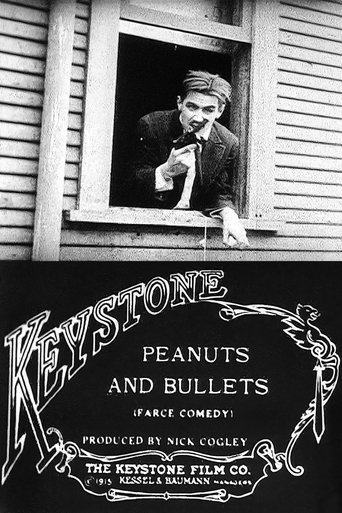
Titles linked here include Mabel's Busy Day (1914), Fatty's Chance Acquaintance (1915).
When was Billie Bennett born and when did she die?
Born October 23, 1877; died May 19, 1951.
What awards did Billie Bennett win?
Billie Bennett did not receive any major awards or nominations during her brief film career, which was common for supporting actors in the early silent film era.
What was Billie Bennett's acting style?
Her acting style was typical of Keystone Studios - broad physical comedy, exaggerated facial expressions, and participation in chaotic slapstick scenes that required no dialogue to convey humor to audiences.