
Wandering Willies
"Hoboes, jailbreaks, and borrowed uniforms"
Keys: Space play/pause · ←/→ 10s · F fullscreen · M mute · </> speed
About this film
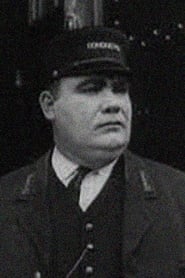
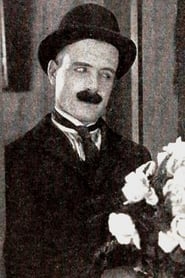
Percy Nudge (Australian-born Billy Bevan) and Dusty Duncan (Scotsman Andy Clyde) are two hoboes playing “hooky from the hoosegow” (that's "jail" to you and me). Desperate for some chow, they opt to impersonate a police officer and a baby, two types of diners most likely to get of.
Cast & crew
More films like this

More Comedy films
View all →






More from Del Lord
View all →
More about this film
About the production
Release dateMarch 28, 1926
Box officeUnknown - box office records for individual shorts were not typically tracked in this period
ProductionMack Sennett Comedies
Filmed inLos Angeles, California, Mack Sennett Studios, Studio City, California
Filmed during the peak of Sennett's production efficiency, this short was likely completed in just a few days. The cow costume sequence required extensive preparation and was one of the more elaborate gags in the film. The chase scene with the Keystone Kops utilized Sennett's trademark multi-camera setup to capture the chaotic action from various angles.
Themes
Hunger and poverty as comedyIdentity and deceptionAuthority versus rebellionFriendship and loyaltyThe American dream of easy success
Themes & topics
hoboesimpersonationfoodjailbreakchasecow costumepoliceslapsticksilent comedyKeystone Kops
Historical background
Wandering Willies reached screens in 1926 from Mack Sennett Comedies, when exhibitors still paired shorts and features in mixed programs.
Why this film matters
Students of early cinema study Wandering Willies as an example of 1926 treatment of percy nudge (australian-born billy bevan) and dusty duncan (scotsman andy clyde) are two h.
Making of
The production of 'Wandering Willies' exemplified the efficient factory-like system Mack Sennett had perfected for comedy shorts. Del Lord, having performed as a Keystone Kop in his early career, brought authentic understanding of physical comedy timing to his direction. The cow costume gag required extensive rehearsals to coordinate the movements of both actors inside the single costume. The chase sequence was filmed over two days, utilizing Sennett's entire stable of stunt drivers and multiple camera setups to achieve the chaotic effect. Ruth Hiatt, one of Sennett's most reliable comediennes, was brought in to provide romantic interest and additional comedic complications. The film's title was a play on words, referring both to the wandering nature of the hoboes and to a common slang term of the era.
What critics said
Contemporary journalism left scarce detail on Wandering Willies, leaving later critics to infer its 1926 reception.
Did you know?
- Director Del Lord was a former Keystone Kop himself before becoming one of Sennett's most reliable directors
- Billy Bevan, though Australian-born, became one of America's most popular silent comedy stars
- Andy Clyde, playing the Scottish character Dusty Duncan, was actually from Scotland in real life
- The film features one of the last appearances of the original Keystone Kops in their classic form
- The cow impersonation sequence required a specially constructed costume that allowed both actors to fit inside
- Mack Sennett, known as 'The King of Comedy,' personally supervised many of the gag sequences
- The film was released during the transition period when sound films were beginning to emerge
- The jailbreak sequence used actual prison uniforms rented from a local facility
- This was one of over 200 short comedies Del Lord would direct in his career
- The food chain theme was a common motif in Sennett comedies, reflecting Depression-era concerns about hunger
Visual style
The cinematography, typical of Sennett productions, was functional rather than artistic, designed primarily to clearly capture the physical comedy. The camera work during the chase sequences utilized multiple angles to enhance the sense of chaos and movement. Close-ups were used sparingly, mostly for reaction shots during the comedy routines. The photography maintained consistent lighting throughout, allowing for rapid shooting schedules. The visual style emphasized clarity over atmosphere, ensuring that every gag was visible to the audience.
Innovations
While not technically innovative, the film demonstrated Sennett's mastery of efficient short-comedy production techniques. The cow costume represented an achievement in practical effects design for its time. The multi-camera chase sequence coordination showcased the studio's organizational capabilities. The film maintained consistent quality in its physical comedy staging, reflecting the technical expertise developed through hundreds of previous Sennett productions.
Music
As a silent film, 'Wandering Willies' would have been accompanied by live musical performance in theaters. The typical score would have included popular songs of 1926, classical pieces adapted for comedy, and original mood music. Theater organists or small orchestras would have synchronized their music to the on-screen action, using specific musical cues for the chase scenes, comic moments, and romantic interludes. No original composed score exists for the film, as was standard for shorts of this period.
Famous quotes
As a silent film, dialogue appeared through intertitles. Key intertitles included: 'Hooky from the hoosegow!' and 'When hunger strikes, even cows look appetizing!'
Percy Nudge (intertitle): 'A man's gotta do what a man's gotta do... especially when dinner's at stake!'
Memorable scenes
- The cow impersonation sequence where both Billy Bevan and Andy Clyde attempt to pass themselves off as a single cow to get closer to a farm's food supply
- The opening jailbreak scene establishing the characters' desperation for freedom and food
- The climactic chase sequence featuring the Keystone Kops in their classic chaotic pursuit of the protagonists
- The failed police officer and baby impersonation attempt that sets up the film's comedy of errors approach
What audiences thought
The film was well-received by contemporary audiences who appreciated its rapid-fire gags and physical comedy. Theater programmers found it to be a reliable second feature that consistently got laughs. The familiar formula of hoboes in trouble resonated with working-class audiences of the era. Modern audiences viewing the film at silent film festivals and revival screenings respond positively to its energetic pace and the chemistry between Bevan and Clyde, though some of the humor appears dated to contemporary viewers.
Film connections
Influenced by
- Earlier Sennett comedies featuring hoboe characters
- Chaplin's tramp character
- Keystone comedy traditions
- Vaudeville comedy routines
- Mack Sennett's established comedy formula
This film influenced
- Later Three Stooges shorts directed by Del Lord
- 1930s poverty row comedies
- Abbott and Costello routines featuring costume gags
- The Three Stooges' 'Disorder in the Court' and other courtroom comedies
Film restoration
The film survives in 16mm and 35mm prints at several film archives, including the Library of Congress and the UCLA Film & Television Archive. While not considered lost, some deterioration is evident in existing prints. The film has been digitized as part of silent comedy preservation efforts and appears in some commercial collections of Sennett comedies. The visual quality varies depending on the source print, with some versions showing significant wear and tear common to films of this era.
Where to watch
- Available on some public domain compilation DVDs of silent comedies
- Occasionally screened at silent film festivals and revival theaters
- Accessible through some streaming services specializing in classic films
- Available for viewing at film archives and specialized cinema libraries
- Included in some educational collections of silent era comedies