Films
4 films
About Marion McDonald
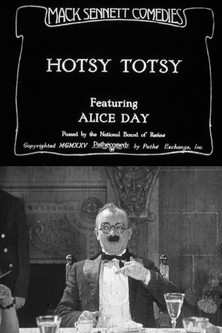
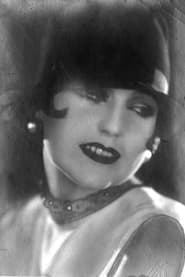
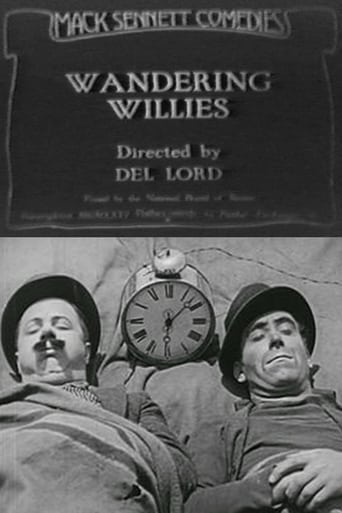
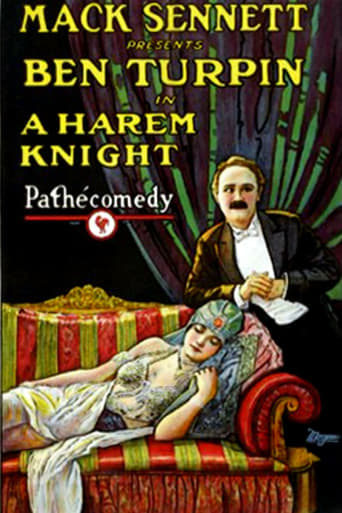
Silent film actress who had a brief but notable career during the mid-1920s, appearing primarily in comedy shorts. Her filmography, though limited, consists of three known productions from 1925 to 1926: 'Hotsy-Totsy' (1925), 'Wandering Willies' (1926), and 'A Harem Knight' (1926). These films were typical of the comedy short format that was popular during the silent era, often featuring slapstick humor and situational comedy. Like many actors of her generation, McDonald's career was likely cut short by the transition to sound films in the late 1920s, as many silent era performers struggled to adapt to the new medium. Her appearances in these comedy shorts suggest she was part of the ensemble casting system common in Hollywood during this period, where actors would appear in numerous productions for studios specializing in short subjects. Despite the brevity of her career, her work represents the typical experience of many supporting actors in silent comedy who contributed to the entertainment landscape of the era.
The Craft
On Screen
Based on her appearances in comedy shorts, Marion McDonald likely employed the exaggerated physical acting style typical of silent film comedy, using facial expressions and body language to convey humor and emotion to audiences without the benefit of dialogue.
Milestones
- Appeared in three silent comedy shorts during 1925-1926
- Worked during the transition period of silent cinema
- Participated in the popular short subject format of the mid-1920s
Best Known For
Must-See Films
Why They Matter
Impact on Culture
Marion McDonald's contribution to cinema, while modest, represents the collective work of countless supporting actors who formed the backbone of silent era Hollywood. Her appearances in comedy shorts during 1925-1926 place her within the golden age of silent comedy, a period that produced some of cinema's most enduring comic traditions. Though not a major star, actors like McDonald were essential to the studio system, filling roles that allowed the more famous leads to shine and contributing to the overall entertainment value of films.
Lasting Legacy
Marion McDonald's legacy is primarily that of a representative example of the thousands of working actors who populated Hollywood during the silent era. Her brief filmography serves as a reminder of the vast number of performers who contributed to early cinema but whose names have largely been lost to history. The preservation of her films, even as supporting roles, helps maintain the historical record of silent era comedy and the ensemble nature of early film production.
Who They Inspired
As a supporting actress with a very brief career, Marion McDonald's direct influence on other performers is likely minimal. However, her work as part of the ensemble casts in silent comedy shorts contributed to the development of comedy film techniques and the establishment of ensemble acting traditions that would continue throughout Hollywood history.
Off Screen
Very little is known about Marion McDonald's personal life, which is typical for many supporting actors from the silent era whose careers were brief and who did not achieve major stardom. Like many actors of her time, she likely entered the film industry during the boom years of the mid-1920s when Hollywood was rapidly expanding and needed numerous performers for the growing number of productions.
Did You Know?
- Appeared in films only during a two-year period (1925-1926)
- All three of her known films were comedy shorts
- Her career coincided with the peak of the silent era just before the transition to sound
- Like many silent era actors, her career was likely affected by the advent of talkies
- Her filmography represents the typical output of a contract player during the studio system era
- The titles of her films suggest she worked in the popular comedy genre of the mid-1920s
Frequently Asked Questions
Who was Marion McDonald?
Screen credits include three known comedy shorts between 1925 and 1926, representing the typical supporting actor of the silent era studio system.
What films is Marion McDonald best known for?
Titles linked here include Hotsy-Totsy (1925), Wandering Willies (1926).
When was Marion McDonald born and when did she die?
Specific birth and death dates for Marion McDonald are not documented in available historical records, which is common for many supporting actors from the silent era who did not achieve major stardom.
What awards did Marion McDonald win?
There are no recorded awards or nominations for Marion McDonald, which was typical for most supporting actors in the silent film industry where formal recognition was limited to major stars.
What was Marion McDonald's acting style?
Based on her work in silent comedy shorts, McDonald likely employed the exaggerated physical acting style typical of the era, using expressive facial expressions and body language to convey humor without dialogue.