
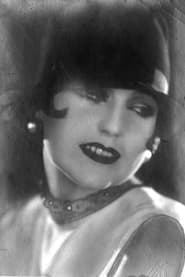
Hotsy-Totsy
"Roaring Twenties comedy in one reel"
Keys: Space play/pause · ←/→ 10s · F fullscreen · M mute · </> speed
About this film
comedy short.
Cast & crew
More films like this

More Comedy films
View all →






More from Edward F. Cline
View all →

More about this film
About the production
Release dateOctober 1925
ProductionComedy Film Corporation
Filmed inHollywood, California
Hotsy-Totsy was produced during the height of the silent comedy era, utilizing the two-reel format popular for short comedies. The film was shot on location in Hollywood, taking advantage of the burgeoning studio system. Like many shorts of its time, it was likely filmed quickly and efficiently to meet the high demand for comedy content from theaters. The production would have relied heavily on practical effects and in-camera techniques rather than post-production editing.
Themes
Romantic comedyMisunderstandingsClass differencesCourtship ritualsPhysical comedy
Themes & topics
Historical background
Contemporary records classify Hotsy-Totsy (1925) as 1925 american film, placing it within late silent cinema and the transition toward sound.
Why this film matters
Hotsy-Totsy (1925) helps trace genre evolution, performer careers, and the material conditions of silent exhibition.
Making of
The production of Hotsy-Totsy took place during the golden age of silent comedy shorts, when studios were churning out dozens of such films monthly to meet theater demand. Director Edward F. Cline, having honed his skills working with comedy legends, brought his expertise to this production. The cast, led by Alice Day (who was at the height of her popularity in 1925), would have rehearsed extensively to perfect the timing of visual gags and physical comedy sequences. The film was likely shot in just a few days, as was common for shorts of this era. The comedy would have relied heavily on slapstick elements, with the actors performing their own stunts and pratfalls. The production team would have used natural lighting and simple camera setups, focusing on capturing the comedic action rather than elaborate cinematography.
What critics said
Modern write-ups on Hotsy-Totsy (1925) tend to focus on preservation status, stylistic choices, and placement within director or studio filmographies.
Did you know?
- Alice Day was the sister of famous silent film star Marceline Day, both sisters were popular actresses during the 1920s
- Director Edward F. Cline was a prolific comedy director who worked with many of the era's biggest stars including Buster Keaton and W.C. Fields
- The title 'Hotsy-Totsy' was popular slang in the 1920s meaning 'excellent' or 'just right'
- Danny O'Shea was part of the O'Shea comedy family, with his brothers also working in comedy films
- The film was released during the peak of silent comedy shorts, when theaters typically programmed several shorts before feature presentations
- 1925 was a transitional year in cinema, with sound technology being developed but not yet commercially implemented
- Comedy Film Corporation specialized in producing two-reel comedies for the thriving vaudeville-to-film market
- Barney Hellum was a veteran character actor who appeared in over 200 films during his career
Visual style
The cinematography of Hotsy-Totsy would have been typical of comedy shorts from 1925, emphasizing clarity and functionality over artistic experimentation. The camera work would have been primarily static, with the focus on capturing the physical comedy and facial expressions of the actors. Medium shots would have been used for dialogue sequences, while wider shots would have accommodated the physical gags and pratfalls. The lighting would have been bright and even, ensuring that all visual jokes were clearly visible to the audience. Any special effects would have been created in-camera rather than through post-production manipulation.
Innovations
Hotsy-Totsy does not appear to have featured any significant technical achievements or innovations. As a standard comedy short of its era, it would have employed conventional filmmaking techniques and technology of 1925. The film would have been shot on 35mm film with standard cameras and lighting equipment of the period. Any technical aspects would have been focused on effectively capturing the comedy rather than advancing cinematic technology.
Music
As a silent film, Hotsy-Totsy would have been accompanied by live musical performance during its theatrical run. Theaters typically employed pianists or small orchestras to provide musical accompaniment, often using cue sheets provided by the studio or improvising based on the on-screen action. The music would have been upbeat and lively during comedy sequences, more romantic during tender moments, and dramatic during moments of tension. Popular songs of 1925 might have been incorporated, and the overall musical style would have reflected the jazz age sensibilities of the period.
Memorable scenes
- While specific scenes from Hotsy-Totsy are not documented due to the film's obscurity, comedy shorts of this era typically featured memorable chase sequences, mistaken identity scenarios, and climactic scenes with multiple characters involved in chaotic slapstick situations.
What audiences thought
Audience reception for Hotsy-Totsy in 1925 would have been measured by laughter and applause in theaters rather than box office figures, as shorts were typically part of a larger program. Comedy shorts were extremely popular with movie-going audiences of the 1920s, serving as crowd-pleasers that set an upbeat tone for the evening's entertainment. The film's success would have depended on its ability to deliver consistent laughs and showcase the comedic talents of its cast. If the gags landed well and the chemistry between Alice Day and Danny O'Shea was convincing, audiences would have responded positively. The light, escapist nature of such comedies appealed to audiences seeking entertainment during the prosperous but socially complex 1920s.
Film connections
Influenced by
- Other Mack Sennett-style comedies
- Vaudeville traditions
- Chaplin's romantic comedies
- Harold Lloyd's situational comedy
Film restoration
Hotsy-Totsy is believed to be a lost film. Like many silent comedy shorts from smaller production companies, it has not survived in archives or private collections. The vast majority of films from Comedy Film Corporation are considered lost, as the company ceased operations before film preservation became a priority. No known copies exist in major film archives such as the Library of Congress, UCLA Film & Television Archive, or the Museum of Modern Art's film collection.
Where to watch
- Due to its lost status, Hotsy-Totsy is not available for viewing through any current platforms or archives. No known copies exist for theatrical screenings, home video release, or streaming services.