Films
3 films
About Danny O'Shea
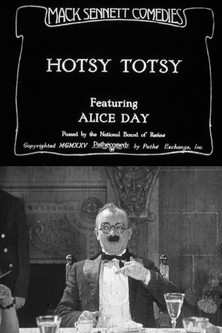
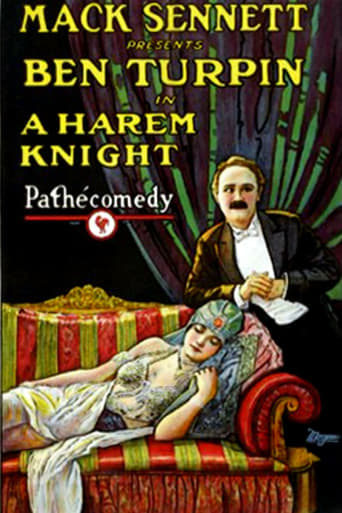
Silent film actor who had a brief but notable career in the mid-1920s, appearing primarily in comedy shorts during the golden age of silent cinema. His filmography, though limited, showcases his work during the peak of silent film production when short comedies were in high demand. O'Shea appeared in three known films: 'Hotsy-Totsy' (1925), 'A Harem Knight' (1926), and 'A Dozen Socks' (1927), all of which were comedy shorts typical of the era. His only three years, suggesting he may have been a character actor or bit player who worked primarily in the short film market that was prevalent before the transition to sound. Like many actors of his era, his career likely ended with the advent of talkies in the late 1920s, as the film industry underwent massive technological and artistic changes that left many silent era performers behind.
The Craft
Milestones
- Appeared in three silent comedy shorts during the mid-1920s
- Worked during the transition period of silent cinema
- Participated in the short film format popular in the 1920s
Best Known For
Must-See Films
Why They Matter
Impact on Culture
Danny O'Shea represents the countless actors who formed the backbone of silent cinema but whose names have been largely lost to history. His work in comedy shorts during the mid-1920s contributed to the entertainment landscape of the Roaring Twenties, a period when movie theaters were rapidly expanding across America and audiences had an insatiable appetite for short, humorous films. While his individual impact may be difficult to trace, actors like O'Shea were essential to the film industry's growth, providing the talent needed to fill the hundreds of shorts produced annually during this era.
Lasting Legacy
Danny O'Shea's legacy is that of a typical working actor from the silent era - a performer who contributed to the golden age of cinema but whose career was brief and largely undocumented. His three known film appearances serve as a reminder of the vast number of actors who passed through Hollywood during its formative years, many of whom left behind only fragmentary records of their work. His story illustrates the transient nature of early film careers and the challenges many actors faced when the industry transitioned from silent films to talkies.
Who They Inspired
As a minor actor with a very limited filmography, Danny O'Shea's direct influence on other performers or the film industry is difficult to trace. However, like all actors of his era, he contributed to the development of film acting techniques and comedy styles that would influence later generations of performers, even if his specific contributions cannot be isolated from the collective work of his contemporaries.
Off Screen
Very little is known about Danny O'Shea's personal life, which is common for actors who had brief careers in the silent era and worked primarily in short films. Like many bit players and supporting actors of his time, detailed biographical information was not extensively documented or preserved.
Did You Know?
- Danny O'Shea's entire known filmography consists of only three films, all released within a two-year period
- All three of his known films were comedy shorts, a popular format in the mid-1920s
- His career coincided with the final years of the silent era before the transition to sound
- Like many actors from this period, biographical details about his life are extremely scarce
- His film titles ('Hotsy-Totsy', 'A Harem Knight', 'A Dozen Socks') reflect the playful, whimsical naming conventions common in silent comedy shorts
- No records of his work in sound films have been found, suggesting his career may have ended with the silent era
- His brief career span was typical for many supporting actors in silent shorts who worked for only a few years
Frequently Asked Questions
Who was Danny O'Shea?
Screen credits include three comedy shorts: 'Hotsy-Totsy' (1925), 'A Harem Knight' (1926), and 'A Dozen Socks' (1927). His career was brief, spanning only from 1925 to 1927, and like many actors of his era, detailed biographical information about his life is scarce.
What films is Danny O'Shea best known for?
Titles linked here include Hotsy-Totsy (1925), A Harem Knight (1926).
When was Danny O'Shea born and when did he die?
Unfortunately, Danny O'Shea's birth and death dates are not known, which is common for actors who had brief careers in the silent era and worked primarily in short films. His active period in cinema was only from 1925 to 1927.
What awards did Danny O'Shea win?
There are no records of Danny O'Shea receiving any major awards or nominations during his brief career. This is typical for supporting actors in silent shorts, as the major award systems were not yet established during most of his active period.
What was Danny O'Shea's acting style?
While specific details about Danny O'Shea's acting style are not documented, his work in comedy shorts during the silent era suggests he likely employed the physical, expressive acting techniques common in silent film comedy, where actors had to convey emotion and humor through gesture and facial expression rather than dialogue.