Kalla Pasha
Actor
Born: March 5, 1879 in Oakland, California, USA Died: June 10, 1933 Active: 1919-1928 Birth Name: Joseph T. Kalla Pasha
Films
4 films
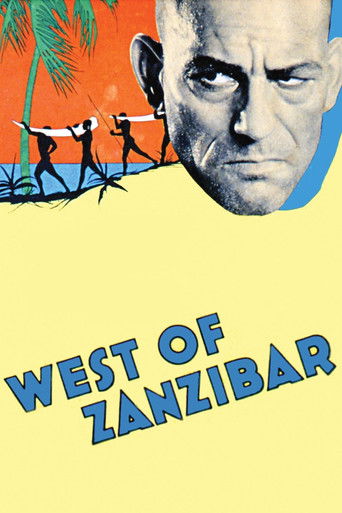
About Kalla Pasha
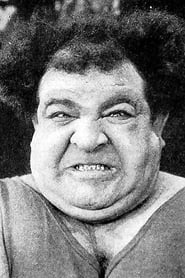
Kalla Pasha (born Joseph T. Kalla Pasha) was a prominent character actor during the silent film era, known for his imposing physical presence and comedic talents. Standing at 6'3" and weighing over 250 pounds, he became a familiar face in Hollywood comedies of the 1920s, often playing villains, bullies, or authority figures who would eventually be outwitted by the film's hero. He began his film career in 1919 after working as a professional wrestler and circus performer, which contributed to his distinctive screen presence. Pasha appeared in over 80 films during his relatively brief career, working with some of the biggest comedy stars of the era including Harold Lloyd, Charley Chase, and Snub Pollard. His most notable period was from 1920 to 1925 when he was recognizable supporting actors in comedy. Despite his success in silent films, Pasha struggled to transition to talkies, partly due to health issues and the changing nature of film comedy. He retired from acting in the late 1920s and passed away in 1933 at the age of 54.
The Craft
On Screen
Physical comedy with imposing presence, often playing antagonistic roles that provided comic contrast to the protagonist
Milestones
- Appeared in over 80 silent films
- Frequent collaborator with Harold Lloyd
- Prominent character actor in 1920s comedies
- Transition from professional wrestling to acting
Best Known For
Iconic Roles
Must-See Films
Working Relationships
Worked Often With
Studios
Why They Matter
Impact on Culture
Kalla Pasha represents the archetype of the silent film era character actor who specialized in physical comedy. His imposing figure made him an ideal foil for the smaller, more agile comedy stars of the era, creating a visual dynamic that was central to many silent comedies. While not a star himself, his contributions to the comedy genre were significant, as he helped create memorable comedic situations through his physical presence and timing. His career trajectory also illustrates the challenges faced by character actors during the transition from silent films to talkies, as many found their specialized skills less in demand when sound changed the nature of film comedy.
Lasting Legacy
Kalla Pasha's legacy lies in his contributions to the golden age of silent comedy, where his distinctive appearance and comedic timing enhanced numerous films. While not remembered by name by most modern audiences, film historians recognize him as an important supporting player who helped define the visual language of silent comedy. His work continues to be studied by those interested in the mechanics of physical comedy and the supporting roles that made silent films successful. His career serves as an example of how specialized character actors could build substantial careers in the studio system even without achieving star status.
Who They Inspired
Kalla Pasha influenced the archetype of the 'comic heavy' in film comedy, establishing a template for how physical contrast between characters could be used for comedic effect. His work demonstrated how imposing physical presence could be used to enhance rather than overshadow comedic situations. Later generations of character actors in comedy films, particularly those playing antagonists or authority figures, owe a debt to the groundwork laid by actors like Pasha who helped establish these roles as essential components of film comedy.
Off Screen
Limited information available about his personal life, but he was known to have been married and had children. His background in circus performance and professional wrestling before entering films contributed to his distinctive screen persona.
Education
Limited formal education documented
Family
- Rose Kalla Pasha (dates unknown)
Did You Know?
- Before acting, he was a professional wrestler under the name 'The Turk'
- He stood 6'3" and weighed over 250 pounds
- His distinctive appearance included a prominent mustache
- He appeared in Harold Lloyd's classic film 'The Freshman'
- He worked extensively with Hal Roach Studios, the comedy factory that launched many careers
- His real first name was Joseph, but he used Kalla Pasha professionally
- He began his entertainment career in circuses before transitioning to film
- Despite his villainous roles, he was reportedly quite gentle off-screen
- He struggled with health issues that contributed to his early death at 54
- His film active years covered less than a decade but included over 80 appearances
In Their Own Words
No documented famous quotes from Kalla Pasha, as was common for supporting actors in the silent era who rarely gave interviews or had their words preserved in print
Frequently Asked Questions
Who was Kalla Pasha?
Silent film with credits in this catalog. Standing over 6 feet tall and weighing 250 pounds, he was a familiar face in over 80 films, often working with stars like Harold Lloyd and Charley Chase.
What films is Kalla Pasha best known for?
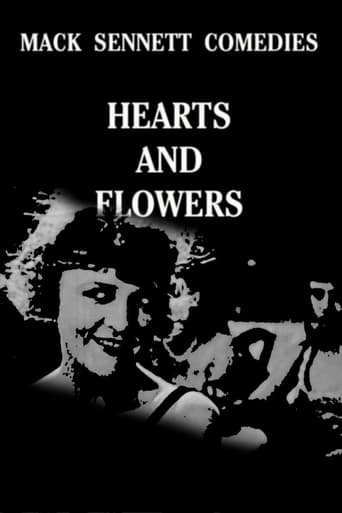
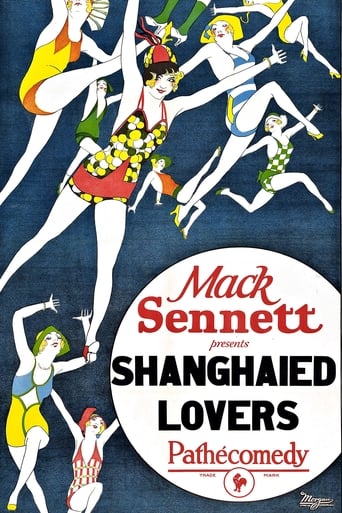
Titles linked here include Hearts and Flowers (1919), Shanghaied Lovers (1924).
When was Kalla Pasha born and when did he die?
Born March 5, 1879; died June 10, 1933.
What awards did Kalla Pasha win?
Kalla Pasha did not receive any major awards or nominations during his career, which was common for character actors in the silent film era. His contributions were primarily in supporting roles that enhanced the work of leading comedians.
What was Kalla Pasha's acting style?
Kalla Pasha specialized in physical comedy, using his large, imposing frame to create comic contrast with smaller protagonists. He typically played villains, bullies, or authority figures who would ultimately be outwitted or defeated by the film's hero, creating visual humor through physical domination and subsequent comeuppance.
How did Kalla Pasha get into acting?
Before entering films, Kalla Pasha worked as a professional wrestler under the name 'The Turk' and performed in circuses. This background in physical entertainment and his distinctive appearance helped him transition to film comedy in 1919, where his imposing figure made him ideal for comic heavy roles.
Why did Kalla Pasha's career end?
Kalla Pasha's film career declined in the late 1920s due to the transition to sound films and his own health issues. Like many silent film character actors, he found his specialized skills less in demand in talkies, and he retired from acting before his death in 1933.