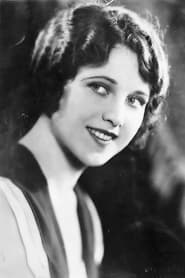
Eugenia Gilbert
Actor
Born: November 18, 1902 in New York City, New York, USA Died: December 8, 1978 Active: 1925-1945
Films
3 films
About Eugenia Gilbert
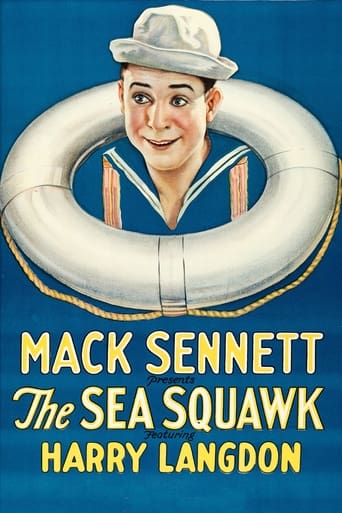
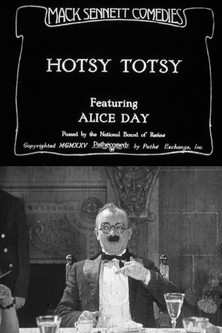
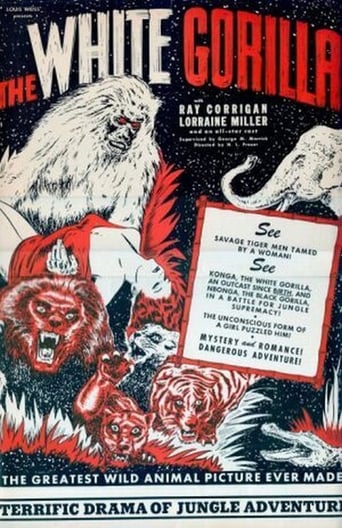
American actress who began her career during the vibrant silent film era of the 1920s, making her debut in 1925 with appearances in films like The Sea Squawk and Hotsy-Totsy. She quickly established herself as a reliable character actress, often playing supporting roles that showcased her versatility across different genres. Her the pivotal transition from silent films to talkies, demonstrating her adaptability as the film industry evolved. While she never achieved leading lady status, Gilbert maintained steady work throughout the late 1920s and 1930s, appearing in numerous productions that reflected the changing landscape of American cinema. Her final credited film appearance was in The White Gorilla in 1945, marking the end of a two-decade career that witnessed the transformation of Hollywood from the silent era through the Golden Age. Gilbert's career trajectory represents the journey of many working actors of her time who successfully navigated the technological and artistic shifts in early American cinema.
The Craft
On Screen
Gilbert was known as a versatile character actress who adapted well to the transition from silent films to talkies, displaying naturalistic acting abilities that suited both mediums. Her performances were marked by expressive facial work during the silent era and clear, articulate delivery in sound films, making her a reliable supporting player in various productions.
Milestones
- Film debut in The Sea Squawk (1925)
- Appeared in multiple films during the silent-to-talkie transition
- Maintained acting career through two decades of changing cinema
- Final film appearance in The White Gorilla (1945)
Best Known For
Iconic Roles
Must-See Films
Why They Matter
Impact on Culture
Eugenia Gilbert represents the working actors of early Hollywood who formed the backbone of the film industry during its formative years. Her career spanning from the silent era through the Golden Age exemplifies the adaptability required of actors during this transformative period in cinema history. While not a major star, her contributions as a reliable character actress helped populate the films that defined early American cinema and provided essential support to leading actors and directors.
Lasting Legacy
Gilbert's legacy lies in her representation of the countless character actors who made significant contributions to early Hollywood films without achieving lasting fame. Her career shows the resilience and adaptability of working actors during.
Who They Inspired
As a character actress who successfully navigated the transition from silent films to talkies, Gilbert exemplified the professional adaptability that became necessary for actors during this technological revolution in cinema. Her career provides insight into the challenges and opportunities faced by supporting actors during the evolution of American film.
Off Screen
Eugenia Gilbert lived a relatively private life outside of her film career, maintaining a low public profile during her years in Hollywood and after her retirement from acting. She was part of the generation of actors who experienced the dramatic changes in the film industry during their careers, adapting to new technologies and shifting audience preferences.
Did You Know?
- Born in New York City in 1902, making her part of the first generation of actors to work in both silent and sound films
- Her active years covered exactly 20 years from her debut in 1925 to her final film in 1945
- Appeared in films during the pivotal transition period when Hollywood was converting from silent to sound production
- Like many actors of her era, she primarily worked in supporting roles rather than leading positions
- Her filmography includes examples from both the silent era and the sound era
- The White Gorilla (1945) marked her final film appearance after two decades in the industry
- She represents the many working actors of classic Hollywood who maintained steady careers without becoming major stars
Frequently Asked Questions
Who was Eugenia Gilbert?
American actress who worked in Hollywood from 1925 to 1945, appearing in both silent films and early talkies. She was primarily known as a character actress who appeared in supporting roles throughout her two-decade career.
What films is Eugenia Gilbert best known for?
Titles linked here include The Sea Squawk (1925), Hotsy-Totsy (1925).
When was Eugenia Gilbert born and when did she die?
Born November 18, 1902; died December 8, 1978.
What awards did Eugenia Gilbert win?
There are no recorded major awards or nominations for Eugenia Gilbert, which was common for character actors of her era who worked primarily in supporting roles rather than leading positions.
What was Eugenia Gilbert's acting style?
Gilbert was known as a versatile character actress who successfully adapted from silent films to talkies. Her style featured expressive work suitable for silent cinema and clear delivery for sound films, making her a reliable supporting player throughout the transition period in Hollywood.