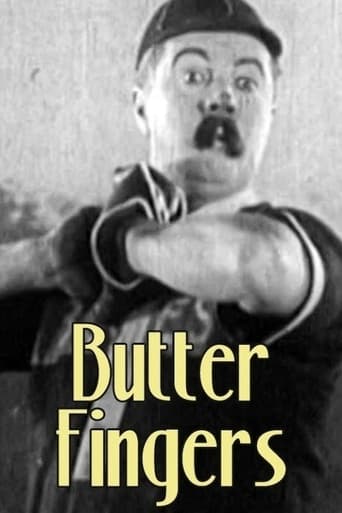
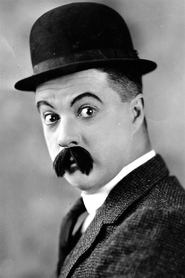
Billy Bevan
Actor
Born: September 29, 1887 in Orange, New South Wales, Australia Died: November 23, 1957 Active: 1916-1956 Birth Name: William Bevan Harris
Films
15 films
Fight Night
1926No Poster
A Small Town Princess
1927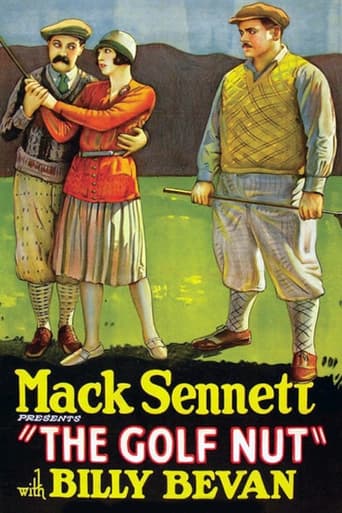
The Golf Nut
1927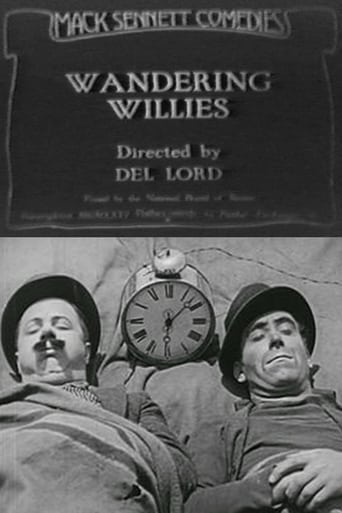
Wandering Willies
1926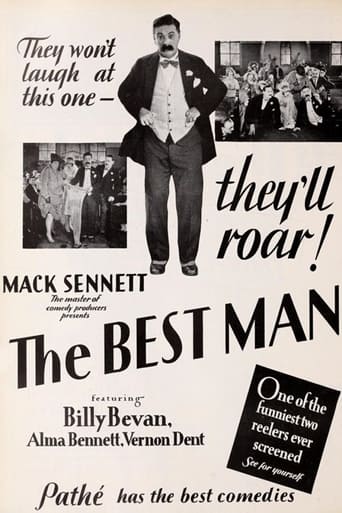
The Best Man
1928
Flirty Four-Flushers
1926
Wall Street Blues
1924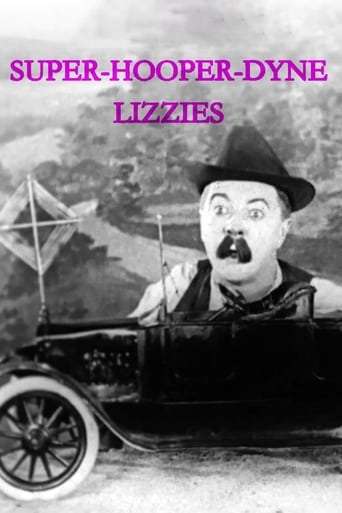
Super-Hooper-Dyne Lizzies
1925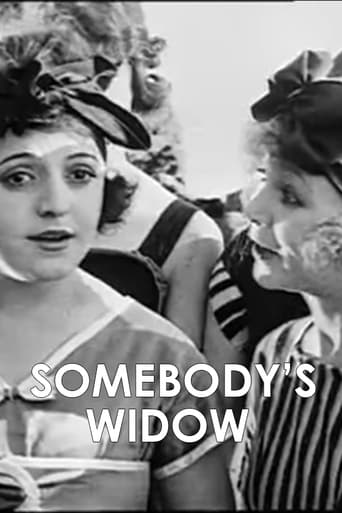
Somebody's Widow
1918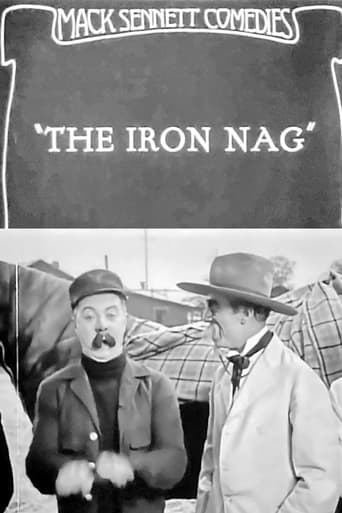
The Iron Nag
1925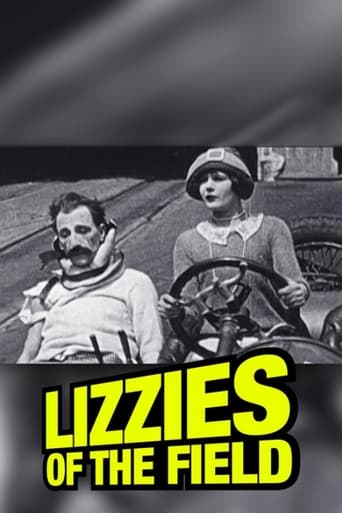
Lizzies of the Field
1924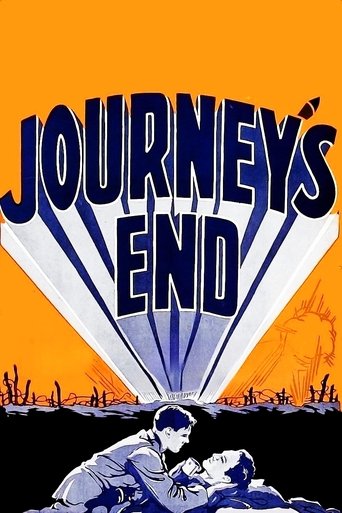
Journey's End
1930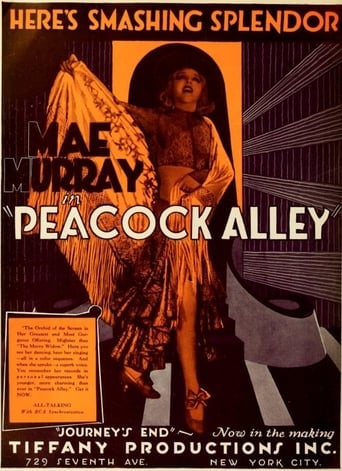
Peacock Alley
1930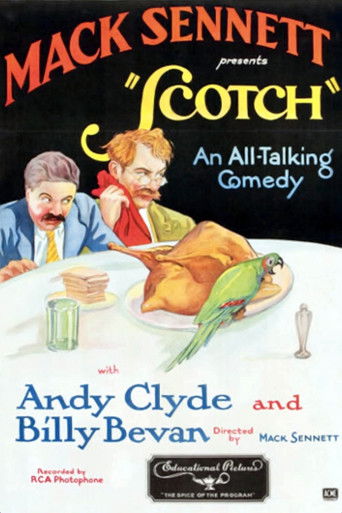
Scotch
1930About Billy Bevan
Billy Bevan, born William Bevan Harris, was an Australian-born actor who became prolific comedy stars of Hollywood's silent era. After beginning his career in Australian vaudeville and theater, he immigrated to the United States in 1912 and soon found work in the burgeoning film industry. Bevan signed with Hal Roach Studios in the mid-1910s, where he developed his signature character - a mild-mannered, bewildered everyman who frequently found himself in absurd situations. Throughout the 1920s, he starred in over 200 comedy shorts, establishing himself as a reliable box office draw second only to Roach's biggest stars like Harold Lloyd and Charley Chase. His distinctive appearance, complete with a small mustache and perpetually worried expression, made him instantly recognizable to audiences. With the advent of sound, Bevan successfully transitioned to character roles, though his starring roles diminished. He continued acting in films and television through the 1950s, appearing in hundreds of productions, often uncredited, before retiring from the industry.
The Craft
On Screen
Bevan specialized in playing the bewildered, put-upon everyman caught in chaotic situations. His comedy relied heavily on physical gags, exasperated reactions, and a distinctive style of double-takes that became his trademark. Unlike the more acrobatic comedians of his era, Bevan's humor stemmed from his relatable reactions to absurd circumstances, making him an audience favorite who could generate laughs through facial expressions and body language alone.
Milestones
- Signed with Hal Roach Studios (1916)
- Starred in over 200 comedy shorts during the 1920s
- Successfully transitioned to sound films
- Appeared in over 350 films throughout his career
- Became
Best Known For
Iconic Roles
Must-See Films
Accolades
Special Recognition
- Star on the Hollywood Walk of Fame (located at 1700 Vine Street)
Working Relationships
Worked Often With
Studios
Why They Matter
Impact on Culture
Billy Bevan represented the archetype of the common man in silent comedy, providing audiences with a relatable figure who navigated the increasingly chaotic modern world of the 1920s. His work at Hal Roach Studios helped establish the comedy short format as a viable and popular entertainment medium, influencing countless comedians who followed. While never achieving the legendary status of Chaplin or Keaton, Bevan's prolific output and consistent quality made him an essential part of the golden age of silent comedy, contributing to the development of screen comedy language and techniques.
Lasting Legacy
Billy Bevan's legacy lies in his contributions to the golden age of silent comedy and his successful transition to character acting in the sound era. His extensive filmography, spanning over 350 productions, serves as a valuable record of early Hollywood comedy techniques and storytelling methods. Modern film historians and comedy scholars often cite Bevan as an example of the solid, reliable character actor who formed the backbone of Hollywood's studio system, demonstrating how a distinctive comedic persona could sustain a decades-long career without ever becoming a major star.
Who They Inspired
Bevan's style of reactive comedy influenced generations of character actors, particularly in how he could generate humor through subtle expressions and timing rather than elaborate physical stunts. His work demonstrated the effectiveness of the 'everyman' character in comedy, influencing later performers like Edgar Kennedy and Hugh Herbert. Many modern character actors studying silent comedy look to Bevan's technique of finding humor in relatable frustration and bewilderment as a masterclass in comedic acting.
Off Screen
Billy Bevan married twice during his lifetime. His first marriage was to actress Ethel Johnson in 1916, which ended in divorce. In 1929, he married actress and dancer Barbara Barondess, with whom he remained until his death in 1957. Despite his prolific film career, Bevan maintained a relatively private personal life and was known among his colleagues as a reliable professional who never sought the spotlight off-camera.
Education
Limited formal education; trained in Australian vaudeville and theater circuits
Family
- Ethel Johnson (1916-1928, divorced)
- Barbara Barondess (1929-1957, his death)
Did You Know?
- Was one of the highest-paid comedy stars of the 1920s, earning $1,000 per week at the height of his fame
- His distinctive mustache became so iconic that he was often recognized in public even when not in costume
- Changed his professional name from William Bevan Harris to Billy Bevan on the advice of Hal Roach
- Appeared in more films than many of his more famous contemporaries, though often in smaller roles later in his career
- Was a skilled amateur boxer in his youth in Australia, which helped him perform his own stunts
- His character was often referred to as 'Billy' in films, blurring the line between actor and role
- Spoke with a noticeable Australian accent throughout his life, which was sometimes used for comic effect in talkies
- Was a founding member of the Hollywood Cricket Club along with other British Empire actors
- Made a successful transition to television in the early 1950s, appearing in several popular series
- His final film appearance was in 'The Ten Commandments' (1956), where he played an uncredited Egyptian slave
In Their Own Words
In silent comedy, your face had to do all the talking. Every twitch, every raised eyebrow told the story.
I never considered myself a great comedian, just a working actor who was lucky enough to make people laugh for a living.
Hal Roach taught me that the secret to comedy wasn't being funny, it was being real in an unreal situation.
Frequently Asked Questions
Who was Billy Bevan?
Australian-born with credits in this catalog.
What films is Billy Bevan best known for?
Titles linked here include Super-Hooper-Dyne Lizzies (1925), Wall Street Blues (1924).
When was Billy Bevan born and when did he die?
Born September 29, 1887; died November 23, 1957.
What awards did Billy Bevan win?
While Billy Bevan didn't receive major acting awards during his career, he was honored with a star on the Hollywood Walk of Fame at 1700 Vine Street in recognition of his contributions to film.
What was Billy Bevan's acting style?
Bevan specialized in playing the bewildered, put-upon everyman caught in chaotic situations, using reactive comedy with distinctive double-takes and exasperated expressions rather than elaborate physical stunts.
How did Billy Bevan transition from silent to sound films?
Bevan successfully transitioned to sound films by moving from starring roles to character parts, leveraging his distinctive appearance and reliable acting skills to become a busy supporting actor throughout the 1930s, 40s, and 50s.