Super-Hooper-Dyne Lizzies
"Cars that run on radio waves, not gasoline"
Keys: Space play/pause · ←/→ 10s · F fullscreen · M mute · </> speed
About this film
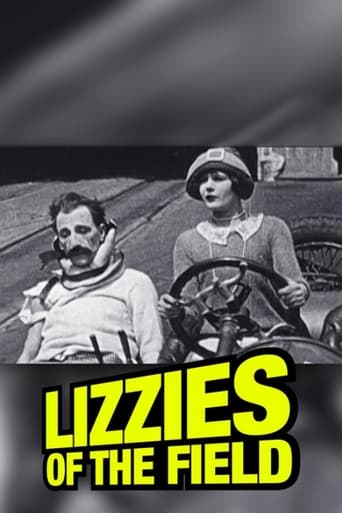
An eccentric inventor has thought of a way that automobiles can run on radio waves, without gasoline. His plans put him in conflict with the owner of an oil company, who is also pursuing the inventor's daughter. This rival begins to scheme against the inventor, and it is left up
Cast & crew
More films like this

More Comedy films
View all →






More from Del Lord
View all →
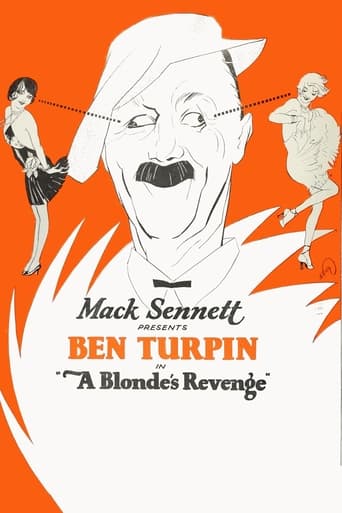
More about this film
About the production
Release dateMarch 15, 1925
Box officeUnknown (Sennett shorts typically earned $50,000-$100,000 through theatrical rentals)
ProductionMack Sennett Comedies
Filmed inLos Angeles, California, Edendale Studios (Mack Sennett's studio lot)
This was one of Del Lord's early directorial efforts for Mack Sennett, showcasing his talent for physical comedy and chase sequences. The film featured custom-built prop cars designed to look futuristic for the 1920s audience. The radio-powered car effects were achieved through clever camera work and practical effects rather than any actual technical innovation.
Themes
Technology vs. TraditionCorporate GreedInnovation and ProgressLove Conquers AllClass Conflict
Themes & topics
Historical background
Super-Hooper-Dyne Lizzies appeared in 1925, when the late silent period and the transition to sound shaped how movies were financed, distributed, and discussed. Audiences of the day encountered the work amid shifting tastes in acting, pacing, and spectacle. Its focus on an eccentric inventor has thought of a way that automobiles can run on radio waves, without gasoline mirrors themes circulating in popular culture of that moment.
Why this film matters
Super-Hooper-Dyne Lizzies (1925) belongs to the wider archive of world cinema, documenting an eccentric inventor has thought of a way. Archivists and historians value such titles for what they reveal about craft, genre, and audience expectations. Restorations and festival screenings keep the work visible to viewers far beyond its first run.
Making of
The production utilized Mack Sennett's signature style of rapid-fire gags and elaborate chase sequences. Director Del Lord, who had honed his skills working with Sennett since 1915, employed multiple camera units to capture the complex action sequences. The futuristic car props were actually modified contemporary vehicles with false fronts and radio antenna attachments. The cast performed many of their own stunts, as was common in Sennett productions. Billy Bevan, known for his expressive face and physical comedy skills, developed a character specifically tailored to his strengths. The film was shot in just a few days, typical of Sennett's efficient production methods that could churn out quality comedy shorts on a weekly schedule.
What critics said
Press coverage from 1925 is fragmentary for many titles of this vintage; surviving notices for Super-Hooper-Dyne Lizzies tend to stress novelty, star power, or topical appeal. Later writing places the picture within its national and generic context, weighing both period conventions and moments that still land for modern viewers. Streaming and disc releases have revived discussion among classic-film audiences.
Did you know?
- Del Lord would later become famous for directing many of The Three Stooges shorts at Columbia Pictures
- The title 'Super-Hooper-Dyne Lizzies' combines contemporary slang: 'Lizzie' was a common term for the Ford Model T, while 'Super-Hooper-Dyne' was a play on technical-sounding terminology
- Billy Bevan was one of Mack Sennett's most popular comedy stars during the 1920s, appearing in over 150 shorts
- Andy Clyde, who appears in this film, would later have a long career as a character actor in sound films and television
- The film's premise about radio-powered cars reflected the public's fascination with new technology in the Roaring Twenties
- This was released during the peak popularity of two-reel comedy shorts, which were a staple of cinema programs before feature films became dominant
- Mack Sennett was known as 'The King of Comedy' for pioneering slapstick comedy and discovering many comedy legends
- The oil company villain character reflected contemporary concerns about corporate power during America's industrial boom
- The film is now considered lost, like approximately 75% of silent films
- Radio was cutting-edge technology in 1925, with the first radio networks just beginning to form
Visual style
The cinematography was handled by Sennett's regular camera crew, utilizing the standard techniques of silent comedy production. Multiple camera setups were employed to capture the physical comedy and chase sequences effectively. The film likely used the standard 1.33:1 aspect ratio and black and white film stock common to the era. Camera movement was minimal by modern standards but included dynamic shots during chase scenes to enhance the comedic effect.
Innovations
While not technically innovative, the film demonstrated the sophisticated stunt coordination and special effects work typical of Sennett productions. The radio-powered car effects were achieved through clever editing and camera tricks rather than actual technical innovation. The film showcased the studio's ability to produce complex chase sequences and physical comedy on a tight schedule and budget.
Music
As a silent film, it would have been accompanied by live musical performance in theaters. The score likely consisted of popular songs of the period, classical pieces, and original mood music provided by the theater's organist or pianist. No original composed score exists for this film, and the typical accompaniment would have included upbeat, playful music during comedy sequences and more dramatic themes during the conflict scenes.
Famous quotes
No recorded dialogue exists as this is a silent film, but intertitles likely included lines about the revolutionary nature of the invention and the villain's greedy motives
Memorable scenes
- The climactic chase sequence featuring the radio-powered 'Lizzies' racing through city streets, showcasing the film's most elaborate stunt work and visual gags
What audiences thought
Audiences of 1925 responded positively to the film's blend of technological fantasy and slapstick comedy. The premise of cars running without gasoline appealed to the public's imagination during a time of rapid technological change. Billy Bevan was a recognizable and popular comedy star, ensuring good attendance. The film likely performed well in the theatrical rental market, as most Sennett shorts did during this profitable period for comedy two-reelers.
Film connections
Influenced by
- Keystone Comedies
- Harold Lloyd films
- Buster Keaton shorts
- Charlie Chaplin comedies
This film influenced
- Later Three Stooges shorts (directed by Del Lord)
- Sound era comedy shorts with similar themes
- W.C. Fields films with inventor characters
Film restoration
Lost film - No known copies survive. Like approximately 75% of American silent films, it is considered lost due to nitrate film deterioration and lack of preservation efforts in the early sound era.
Where to watch
- Not available - The film is considered lost. No known copies exist in any film archives or private collections.