No Poster
Films
7 films
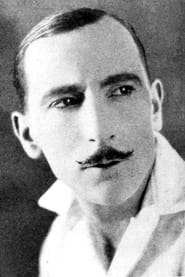
About John J. Richardson
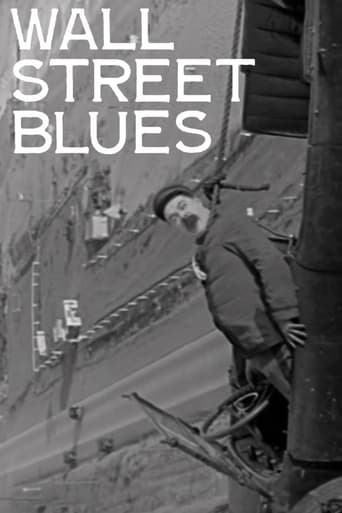
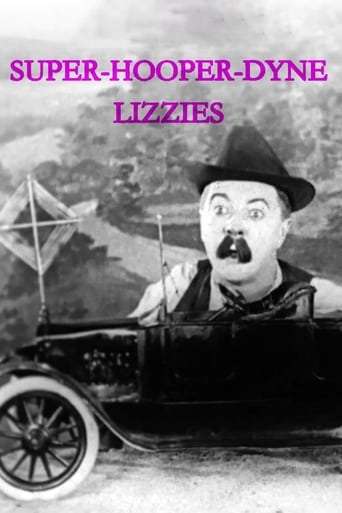
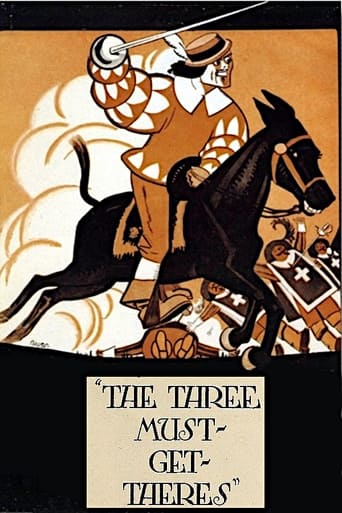
American character actor who worked during the silent film era, primarily appearing in comedy shorts and features between 1920 and 1925. His the peak years of silent comedy, where he often played supporting roles alongside more prominent stars of the period. Richardson appeared in several notable productions including the Harry Langdon comedy 'The Three Must-Get-Theres' (1922), which was a parody of the Three Musketeers story. His other known works include 'J-U-N-K' (1920), 'Wall Street Blues' (1924), and 'Super-Hooper-Dyne Lizzies' (1925), all of which were comedy productions typical of the era. Like many supporting actors of his time, Richardson's career was relatively brief and he did not successfully transition to sound films. His filmography, while limited, represents the typical journey of a character actor in Hollywood's early studio system.
The Craft
On Screen
As a supporting actor in silent comedies, Richardson likely employed the exaggerated physical gestures and facial expressions characteristic of the era. His roles would have required precise timing and the ability to complement the lead comedians without overshadowing them. Silent film acting demanded mastery of pantomime and body language to convey emotion and humor to audiences without dialogue.
Milestones
- Appeared in Harry Langdon's 'The Three Must-Get-Theres' (1922)
- Worked during the golden age of silent comedy
- Participated in early Hollywood studio system
- Appeared in multiple comedy shorts during mid-1920s
Best Known For
Iconic Roles
Must-See Films
Working Relationships
Worked Often With
Why They Matter
Impact on Culture
John J. Richardson represents the countless supporting actors who formed the backbone of Hollywood's silent era. While not a major star, his contributions to comedy films helped create the rich ensemble casts that made silent comedies successful. His work in films like 'The Three Must-Get-Theres' contributed to the parody genre that was popular in the 1920s, and his career illustrates the typical trajectory of character actors during the transition from silent films to talkies.
Lasting Legacy
Richardson's legacy lies in his participation in the golden age of silent comedy, a period that established many comedic traditions still influential today. Though his name is not widely remembered, his work survives through the preservation of the films in which he appeared. These films serve as valuable historical documents of early American comedy and the studio system that produced it.
Who They Inspired
As a supporting actor, Richardson's influence would have been primarily through his contributions to the ensemble dynamics of the films he appeared in. His work helped establish the importance of well-cast supporting characters in comedy, a principle that continues to influence film comedy today.
Off Screen
Very little is documented about John J. Richardson's personal life, which was common for supporting actors of the silent era who were not major stars. Like many character actors of his time, he likely lived a relatively private life away from the Hollywood spotlight.
Did You Know?
- John J. Richardson's active years covered only five years, typical of many supporting actors in early Hollywood
- The Three Must-Get-Theres (1922) was a parody film that spoofed the popular Three Musketeers story
- Silent film actors often had to master exaggerated facial expressions since dialogue wasn't possible
- Many character actors from the silent era failed to transition to talkies due to voice or acting style limitations
- Comedy shorts like Wall Street Blues and Super-Hooper-Dyne Lizzies were commonly produced as second features in the 1920s
- Supporting actors in silent films often played multiple roles within the same production to save costs
- The mid-1920s saw the peak of silent comedy before the transition to sound began in 1927-1928
- Harry Langdon, with whom Richardson worked, was considered one of the top silent comedians alongside Chaplin and Keaton
Frequently Asked Questions
Who was John J. Richardson?
American character with credits in this catalog.
What films is John J. Richardson best known for?
Titles linked here include The Three Must-Get-Theres (1922), Wall Street Blues (1924).
When was John J. Richardson active in films?
John J. Richardson's known film active years covered from 1920 to 1925, covering the peak years of the silent film era.
What type of roles did John J. Richardson typically play?
Richardson — character actor who appeared primarily in comedy films, playing supporting roles that complemented the lead comedians of the era.
Why is there limited information about John J. Richardson?
Like many supporting actors from the silent era, detailed biographical information about Richardson is scarce because he was not a major star and extensive records were not always maintained for character actors of that period.