Wall Street Blues
"Wall Street Blues (1924)"
Keys: Space play/pause · ←/→ 10s · F fullscreen · M mute · </> speed
About this film
A bumbling bank custodian becomes an unlikely hero when he foils a robbery.
Cast & crew
More films like this

More Comedy films
View all →






More from Del Lord
View all →
More about this film
About the production
Release date1924-08-10
ProductionMack Sennett Comedies
Filmed inLos Angeles, California
This was a typical Mack Sennett two-reel comedy short, produced during the peak of silent film comedy production. Del Lord was known for his efficient direction and ability to create physical comedy sequences.
Themes
Accidental heroismClass comedyUnderdog triumphBanking and financeWorkplace comedy
Themes & topics
Historical background
Wall Street Blues (1924) emerged during late silent cinema and the transition toward sound, when exhibition habits and national film industries were still taking shape.
Why this film matters
Wall Street Blues remains accessible through digital archives, giving modern viewers a direct link to 1924 screen culture.
Making of
This film was produced by Mack Sennett Comedies, especially prolific comedy production companies of the silent era. Del Lord, who directed this short, was developing his distinctive style of physical comedy and timing that would later define his work with the Three Stooges. The film would have been shot quickly and efficiently, as was typical for two-reel comedies of the period, with minimal rehearsal and emphasis on spontaneous comic moments and elaborate physical gags.
What critics said
Modern write-ups on Wall Street Blues (1924) tend to focus on preservation status, stylistic choices, and placement within director or studio filmographies.
Did you know?
- Director Del Lord would later become famous for directing numerous Three Stooges shorts at Columbia Pictures
- This film was produced during the golden age of silent comedy shorts
- Mack Sennett was known as 'The King of Comedy' for his pioneering work in silent film comedy
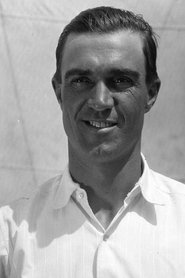
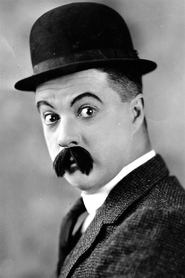
- Billy Bevan was one of Sennett's most reliable comedy stars during this period
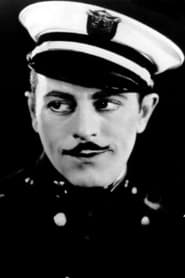
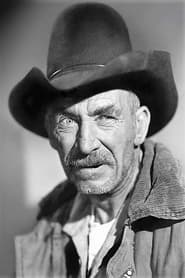
- Andy Clyde would go on to have a long career in both silent and sound films, later becoming a television regular
- Sidney Smith was primarily known for his comic strip work but also appeared in films
- 1924 was a peak year for silent film production before the transition to sound began
- Bank robbery comedies were a popular subgenre during the 1920s
Visual style
As a silent comedy, the film would have utilized standard black and white cinematography of the era, with emphasis on clear visual storytelling. The camera work would have been designed to capture physical comedy and slapstick gags effectively, with wide shots allowing full appreciation of the actors' movements and expressions.
Music
As a silent film, it would have been accompanied by live musical performance in theaters, typically consisting of piano or organ music that enhanced the comedic timing and dramatic moments.
Memorable scenes
- The climactic sequence where the custodian accidentally foils the bank robbery through a series of comic mishaps
Film connections
Influenced by
- Mack Sennett's Keystone Kops comedies
- Charlie Chaplin's tramp character
- Buster Keaton's stone-faced comedy
Film restoration
The preservation status of this specific 1924 short is unknown. Many silent shorts from this period have been lost due to the unstable nature of early film stock and lack of preservation efforts.
Where to watch
- Wikimedia Commons: https://commons.wikimedia.org/wiki/File:Wall%20Street%20Blues%20(1924).webm